
Birds / Getting Started
Can Cats and Birds Live Together Safely?
It is possible in many Indian households, but it takes real management, not just hoping for the best.
3 min read
Birds / Breeds
Famous for uncanny mimicry and immortalised as Mozart's pet, the European Starling is nonetheless an unusual and largely impractical choice for a home in India.
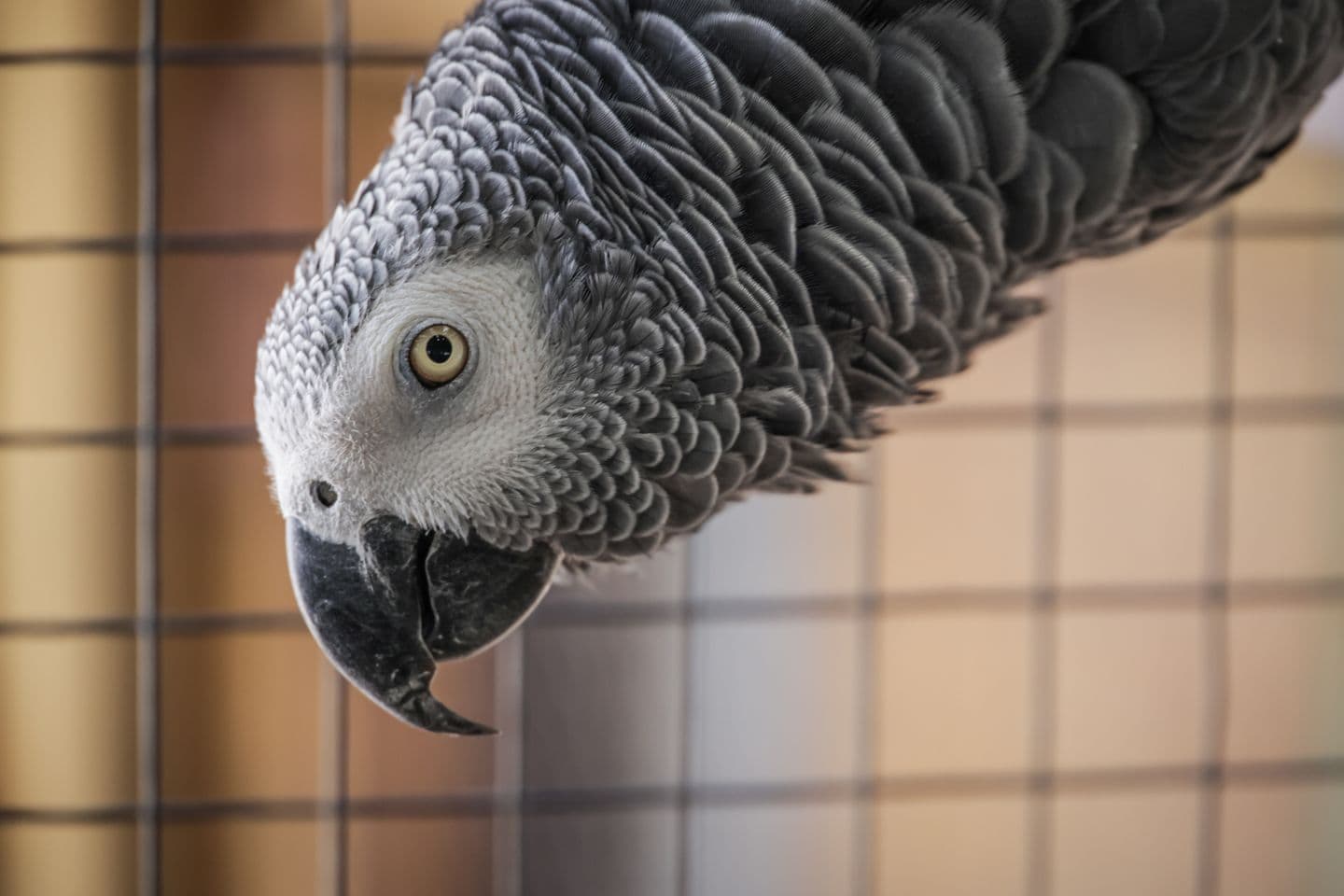
Famous for uncanny mimicry and immortalised as Mozart's pet, the European Starling is nonetheless an unusual and largely impractical choice for a home in India.
The European Starling has a genuinely fascinating reputation: remarkably intelligent, capable of impressively accurate mimicry, and forever associated with the composer Mozart, who is documented to have kept one as a pet in the eighteenth century. It is worth including here for completeness, but it is also worth being honest that this is not a species with an established presence in the Indian pet trade, and prospective owners should approach it with realistic expectations rather than assuming it is readily available.
Unlike budgies, cockatiels or lovebirds, the European Starling is not native to India, does not have an established captive-breeding pipeline in the Indian market, and is not a bird you are likely to find through ordinary pet shops or breeders. In several countries it is also treated as an invasive species outside its native European and West Asian range, which affects legal ownership rules in those specific places. Anyone in India genuinely drawn to this species should expect to do considerably more legwork sourcing one responsibly than with any other bird in this series, and should not assume general Indian exotic-bird import rules have been specifically tested for this species.
Where kept, starlings are highly intelligent, socially demanding birds capable of forming strong bonds with a caretaker and mimicking an impressively wide range of sounds, not just words. They need considerable daily interaction and enrichment, and can become loud, messy and genuinely challenging without it.
Starlings are omnivorous and need a varied diet including a quality insectivore or softbill-appropriate base diet, fruit, and occasional protein such as mealworms, quite different from the seed and pellet-based diets suited to parrots and finches. Their care needs are genuinely specialised and are best researched thoroughly, ideally with guidance from an experienced softbill keeper, before considering the species further.
For readers whose real interest in the starling is its mimicry rather than the specific species itself, it is worth knowing that a common Indian myna, though a genuinely excellent and locally famous talker, is a native species and legally protected in the same way discussed elsewhere in this series, so wild capture is not a legal route either. A budgerigar, African grey or Indian ringneck, all covered separately in this series, offers a genuinely comparable talking and mimicry experience through an established, far more accessible legal route in India.
Article content © S Vejay Anand. All rights reserved.
Birds / Getting Started
It is possible in many Indian households, but it takes real management, not just hoping for the best.
3 min read
Birds / Health
From paratyphoid to a lung condition now worrying doctors in Mumbai and Delhi, here is what every pigeon keeper and balcony feeder in India should know.
4 min read
Birds / Getting Started
Almost every Indian home has a money plant trailing along a shelf or a tulsi pot on the balcony. Most owners never think twice about it until their bird takes an interested peck, so it is worth knowin
3 min read