
Birds / Getting Started
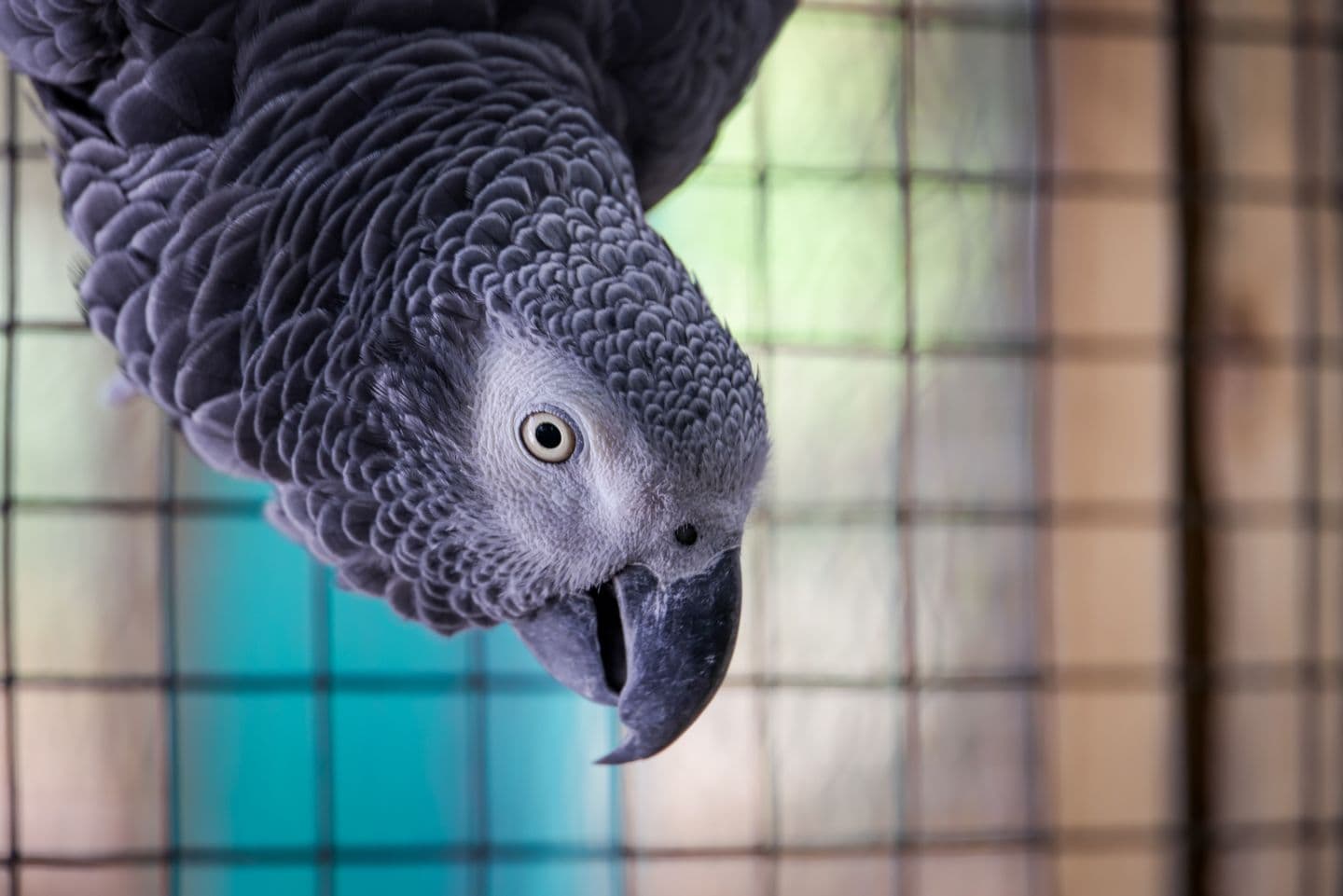
Can Cats and Birds Live Together Safely?
It is possible in many Indian households, but it takes real management, not just hoping for the best.
3 min read
Birds / Breeds
One of Australia's most recognisable cockatoos, the Galah pairs striking pink and grey plumage with a genuinely demanding personality.
One of Australia's most recognisable cockatoos, the Galah pairs striking pink and grey plumage with a genuinely demanding personality.
Also known as the rose-breasted or roseate cockatoo, the Galah is instantly recognisable by its soft pink chest and face set against grey wings and back. Like other cockatoos, it is a rewarding but genuinely demanding companion, better suited to an experienced owner than a first-time bird keeper.
Galahs are intelligent, social birds that form strong pair bonds and, in a home setting, often bond intensely with their owner. They tend to be somewhat more independent and less overtly cuddly than white cockatoo species, but are still capable of loud, sustained vocalisation and genuinely destructive chewing without adequate outlets. Sexing by eye is difficult in this species, though males typically have darker irises than females.
A diet built on quality pellets, fresh vegetables and limited fruit is essential, since Galahs are notably prone to obesity on a rich, low-exercise diet. Daily flight time or another genuine form of exercise matters more for this species than for many others.
Galahs need a large, robust cage, since they are strong chewers, along with regular fresh branches to chew and daily time outside the cage. Their volume is a serious consideration: Galahs are loud, and an apartment or any home with close neighbours is a poor fit for this species.
Galahs are exceptionally long-lived, commonly reaching 40 to 50 years, with some captive individuals reported living 70 years or more given outstanding lifelong care.
Article content © S Vejay Anand. All rights reserved.
Birds / Getting Started
It is possible in many Indian households, but it takes real management, not just hoping for the best.
3 min read
Birds / Health
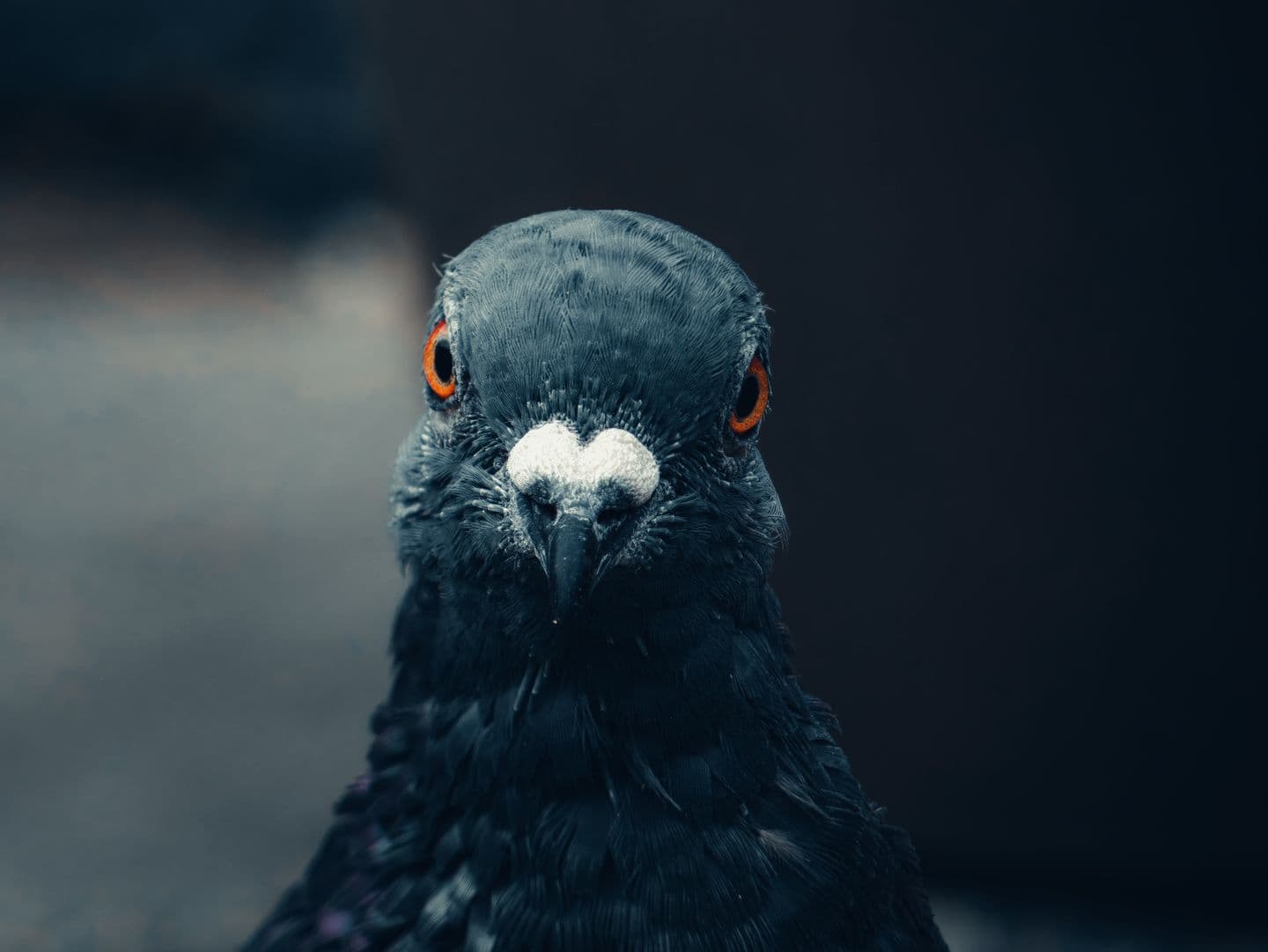
From paratyphoid to a lung condition now worrying doctors in Mumbai and Delhi, here is what every pigeon keeper and balcony feeder in India should know.
4 min read
Birds / Getting Started
Almost every Indian home has a money plant trailing along a shelf or a tulsi pot on the balcony. Most owners never think twice about it until their bird takes an interested peck, so it is worth knowin
3 min read