
Birds / Getting Started
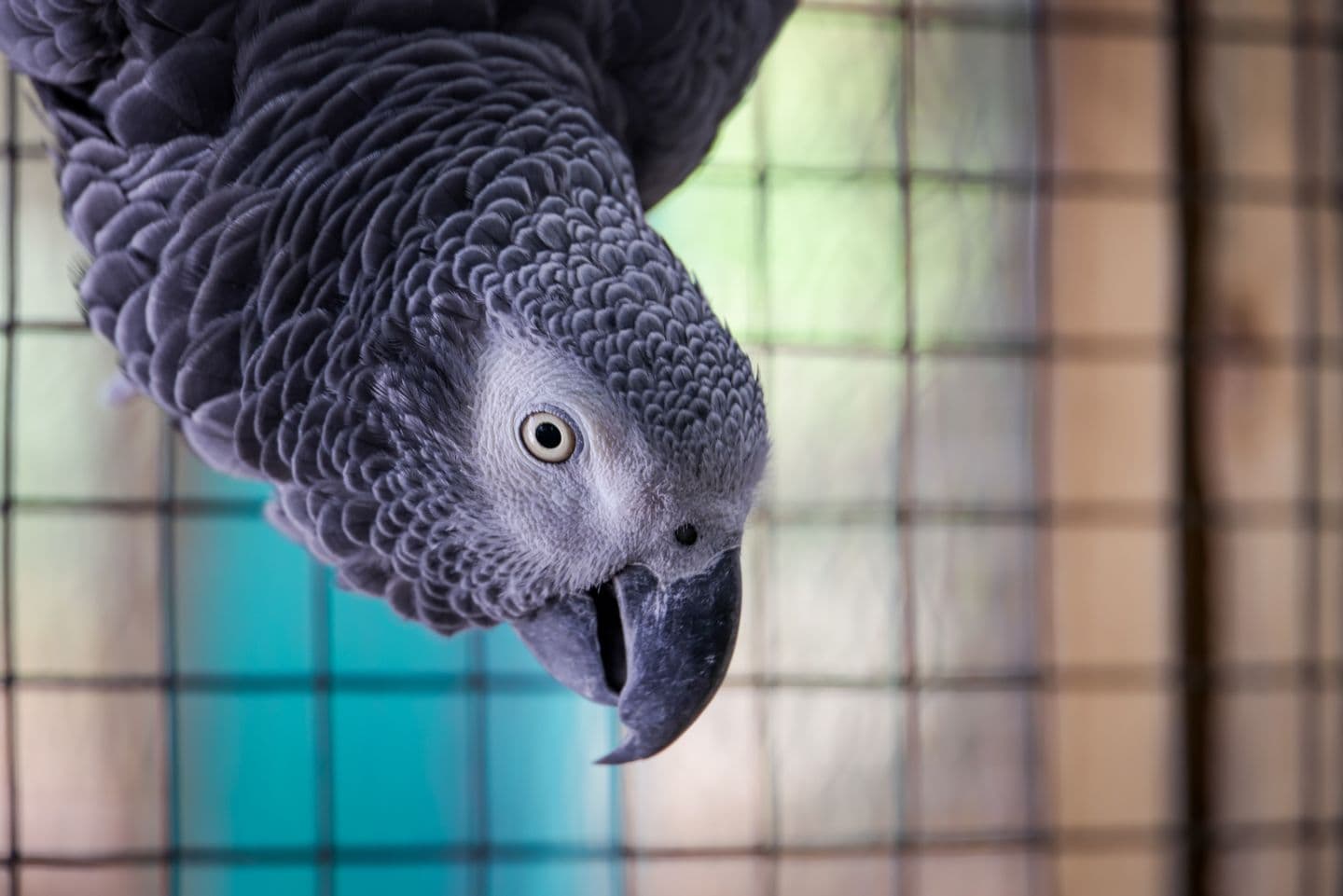
Can Cats and Birds Live Together Safely?
It is possible in many Indian households, but it takes real management, not just hoping for the best.
3 min read
Birds / Breeds
Among the most vividly coloured finches in aviculture, the Gouldian is a delicate, visually spectacular bird with a history shaped by past over-trapping.
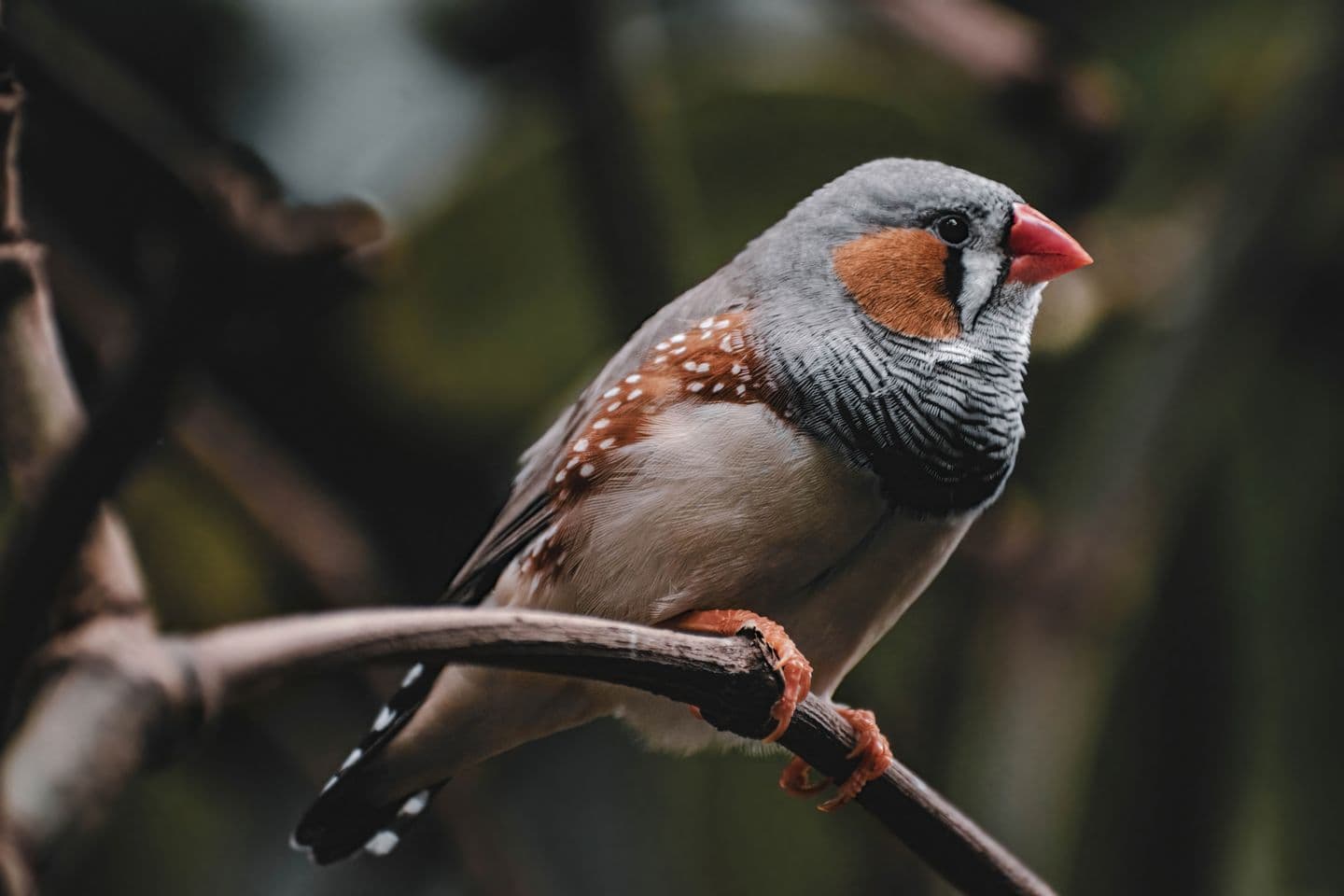
Among the most vividly coloured finches in aviculture, the Gouldian is a delicate, visually spectacular bird with a history shaped by past over-trapping.
Few finches draw the eye the way the Gouldian finch does, its plumage combining red, yellow, black, green and purple in striking, clearly defined blocks of colour depending on the individual's head-colour variety. Native to the grasslands of northern Australia, it remains a favourite among finch keepers purely for its appearance.
Gouldian finches are social, alert and generally easy-going with other finches, but they are delicate birds that do not enjoy or tolerate handling and can become genuinely stressed by sudden environmental changes. Females are noticeably less brightly coloured than males, with a lighter mauve chest compared to the male's deeper purple. This species was historically trapped in large numbers for the pet trade until Australia banned wild export in the 1960s, and while captive breeding has since made them widely available, that history is worth knowing.
A pelleted finch base diet supplemented with a quality seed mix, fresh greens, sprouted seeds and, particularly during breeding, live food such as small grubs and an egg food supplement, keeps Gouldian finches in good condition. A cuttlebone provides calcium.
Gouldians need a spacious, well-planted aviary or large flight cage with good natural or full-spectrum light and stable, warm temperatures, since they are notably sensitive to cold and to cramped housing, both of which can shorten their lifespan and affect breeding condition. They coexist well with zebra finches and society finches but are best kept away from more aggressive finch species such as weavers.
Gouldian finches have a shorter lifespan than many other pet birds, typically five to eight years, occasionally longer with excellent, stable care.
The Gouldian finch's wild population fell dramatically across the twentieth century, from several hundred thousand birds to an estimated 2,500 or fewer by the 1980s, driven by habitat loss, fire, and decades of trapping for the aviary trade before Australia banned wild export. Its international IUCN status has actually been revised downward in severity over recent assessments, moving from Endangered to Near Threatened and, in the most recent listing, Least Concern, reflecting improved data rather than a dramatic wild recovery. Australia's own domestic legislation still lists the species as Endangered, and the wild population remains small and geographically limited even though captive-bred birds are now common and secure in aviculture worldwide. The short version worth remembering: the pet-trade population is entirely captive-bred and not a conservation concern, but the wild population these birds descend from is still genuinely fragile.
Article content © Ravi Teja. All rights reserved.
Birds / Getting Started
It is possible in many Indian households, but it takes real management, not just hoping for the best.
3 min read
Birds / Health
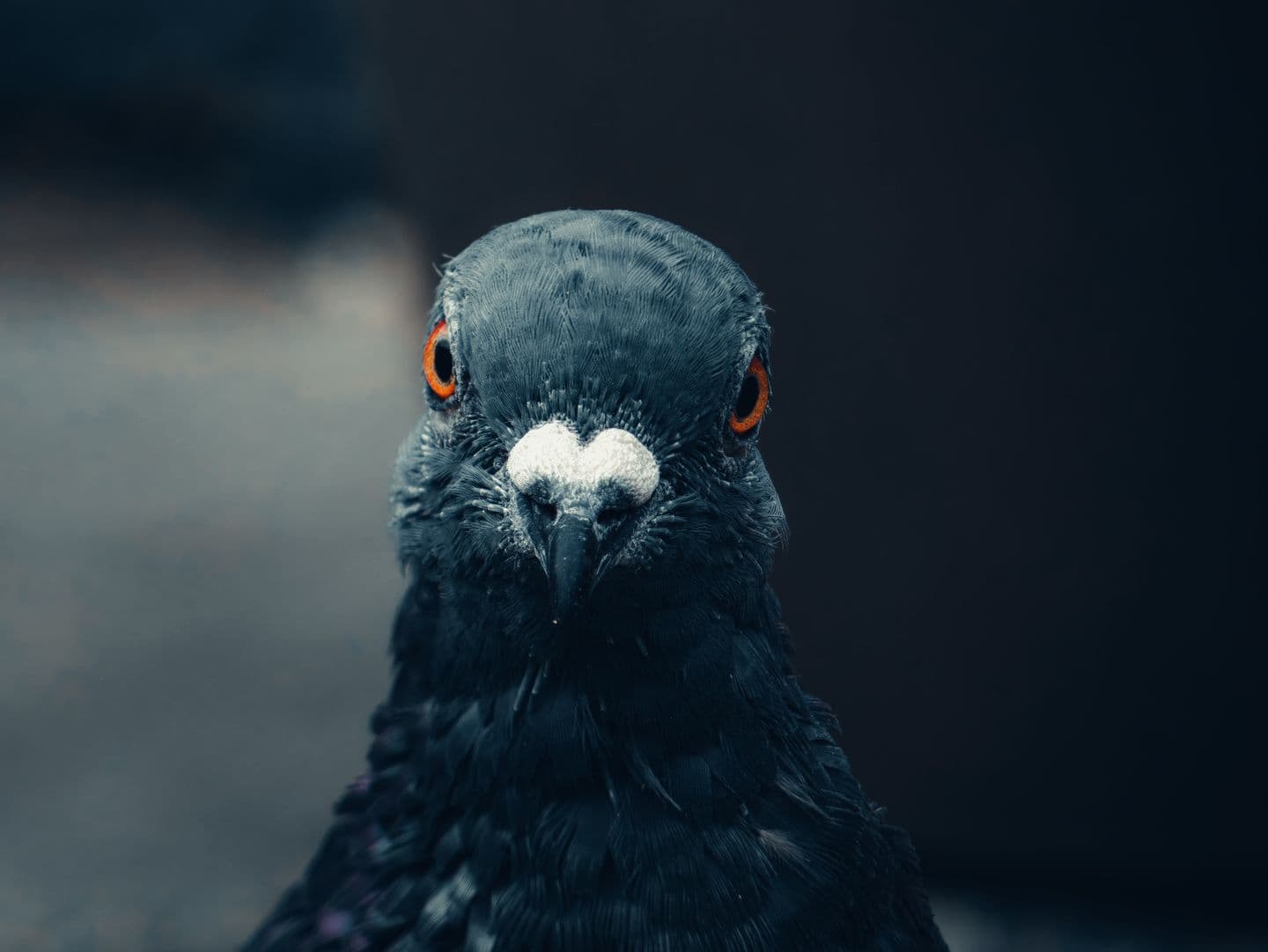
From paratyphoid to a lung condition now worrying doctors in Mumbai and Delhi, here is what every pigeon keeper and balcony feeder in India should know.
4 min read
Birds / Getting Started
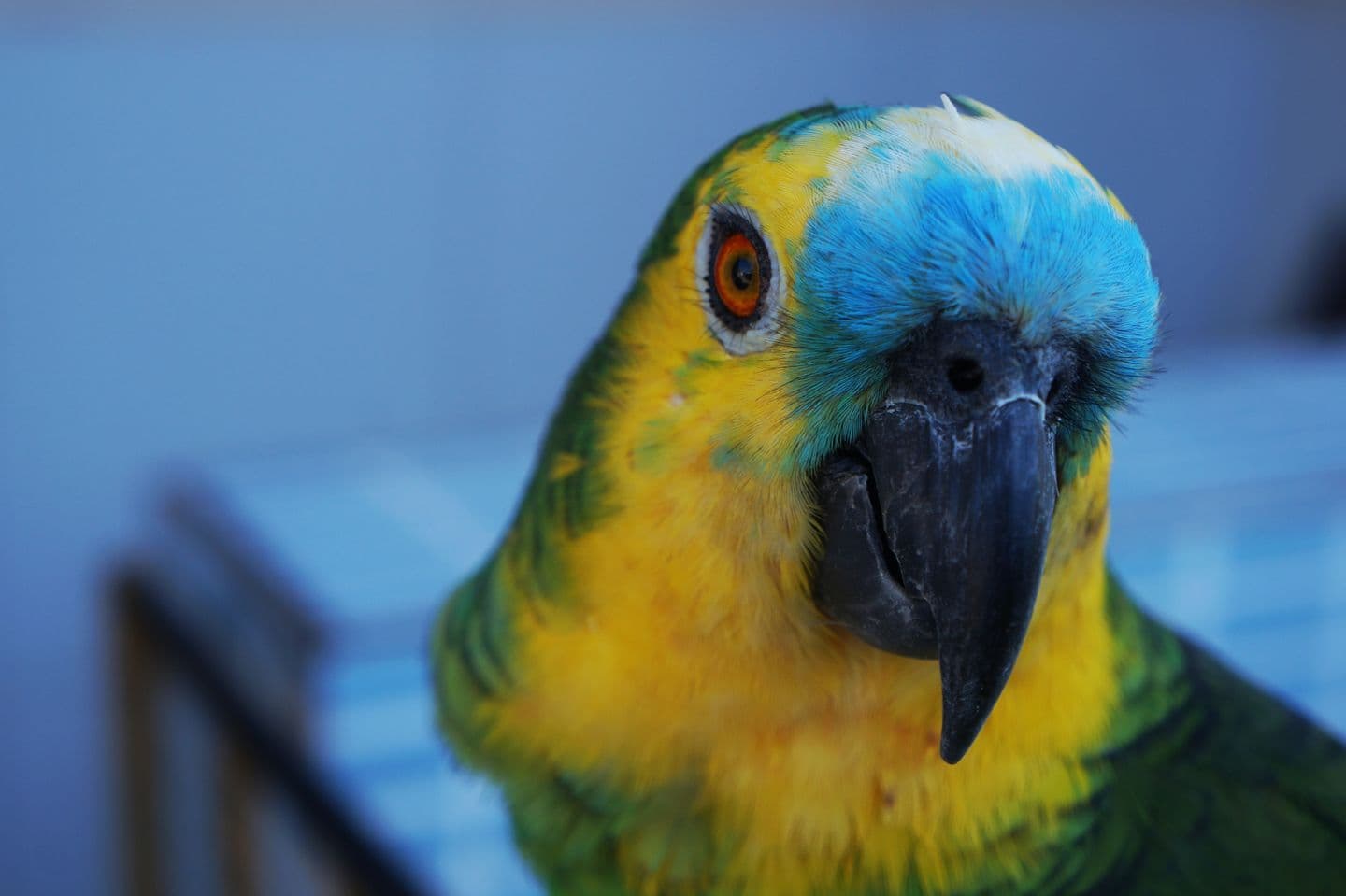
Almost every Indian home has a money plant trailing along a shelf or a tulsi pot on the balcony. Most owners never think twice about it until their bird takes an interested peck, so it is worth knowin
3 min read