
Birds / Getting Started
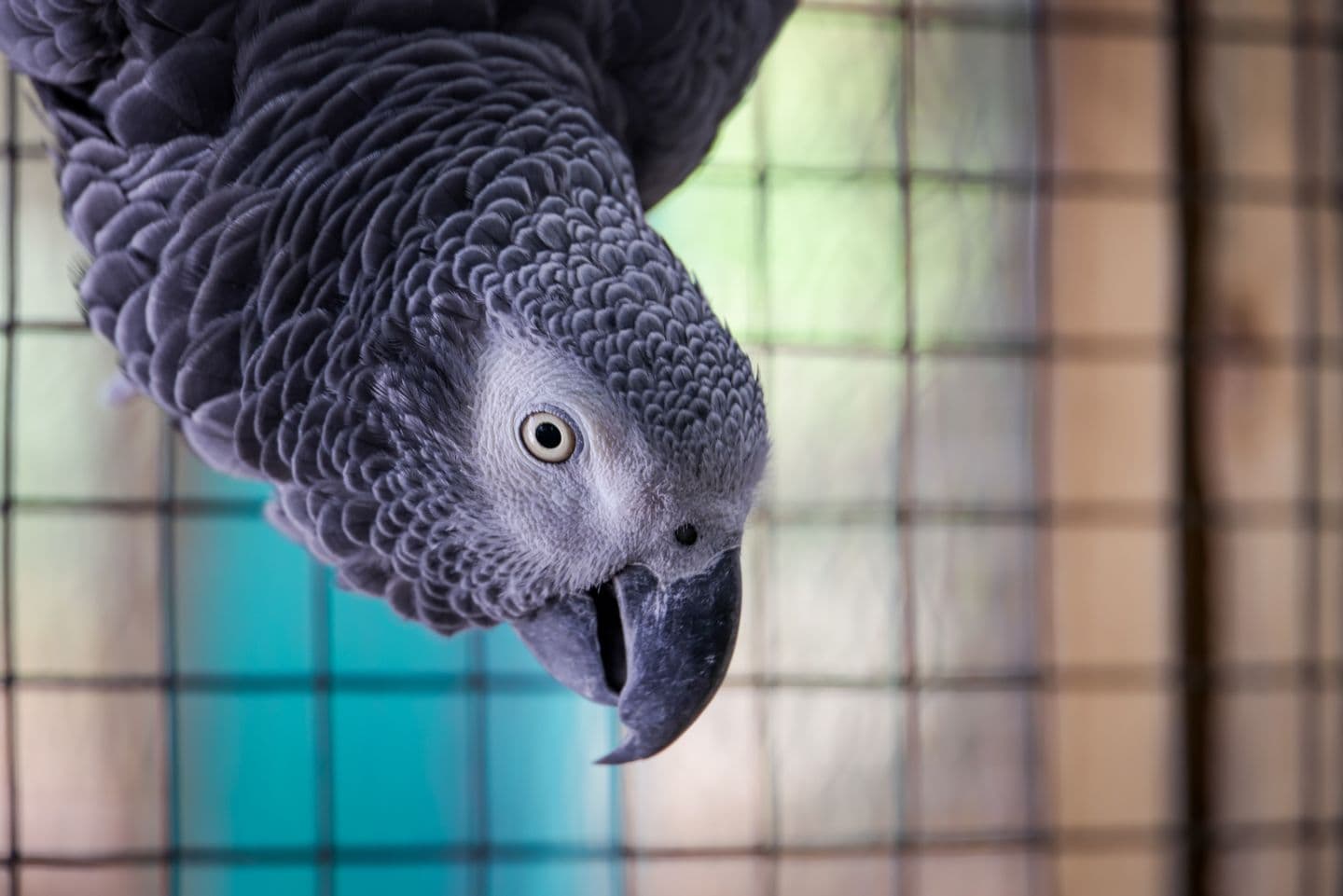
Can Cats and Birds Live Together Safely?
It is possible in many Indian households, but it takes real management, not just hoping for the best.
3 min read
Birds / Breeds
The smallest member of the macaw family proves that big parrot personality does not require a big parrot body.
The smallest member of the macaw family proves that big parrot personality does not require a big parrot body.
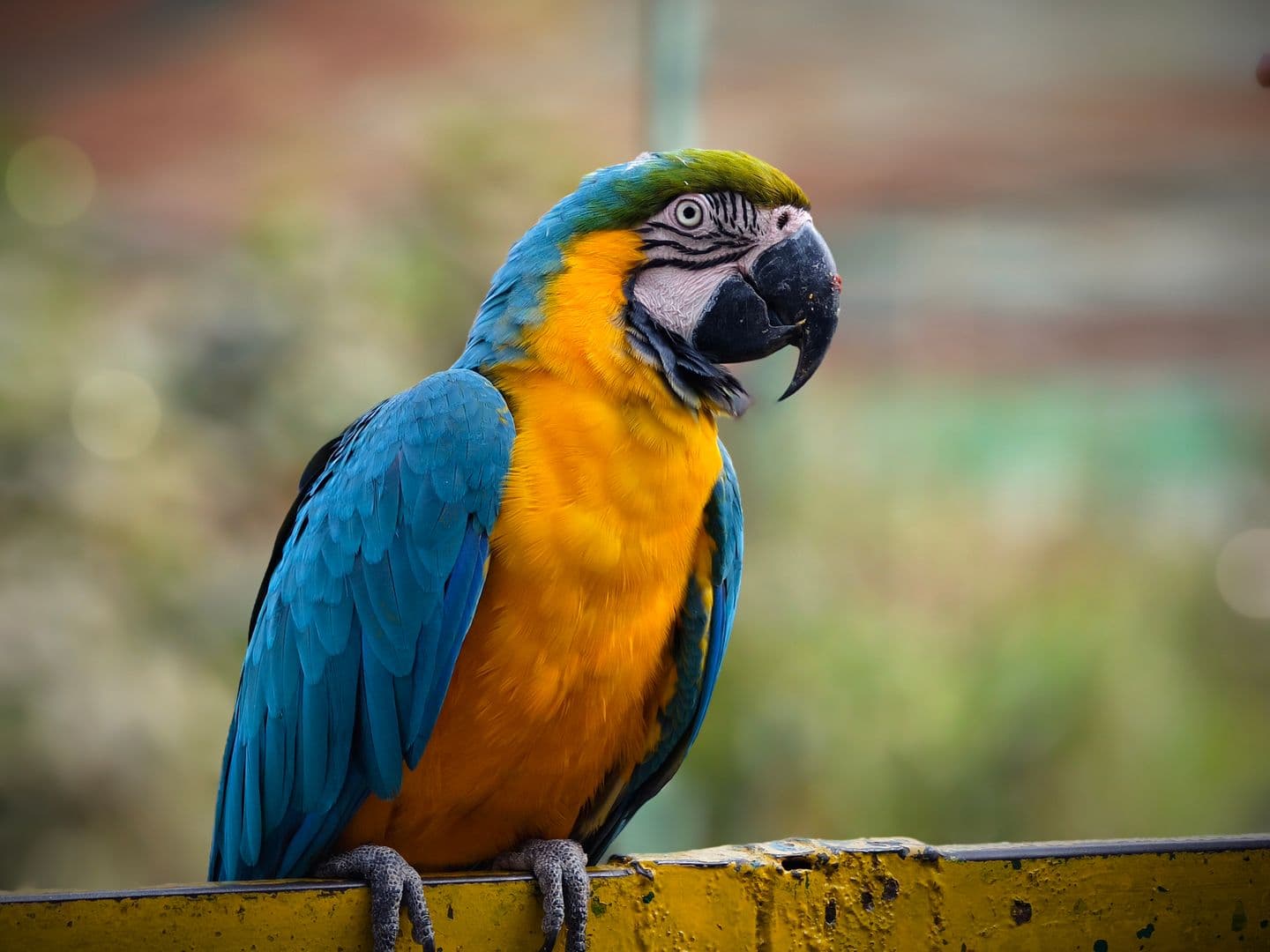
Also known as the Red-shouldered or Noble macaw, the Hahn's macaw is the smallest of all macaw species, standing at around 30 centimetres, a fraction of the size of a scarlet or hyacinth macaw. It offers much of the intelligence, charm and bond-forming capacity of the larger macaws in a considerably more manageable package.
Hahn's macaws are bright green with distinctive red patches at the bend of the wing, and while their voice is loud and can be described as grating rather than musical, they are excellent talkers and whistlers when given consistent training. They are intelligent, active, playful and, thanks to their smaller size, considerably easier and safer to handle around children than a large macaw, though supervision is still recommended given how strong even a mini macaw's beak is.
A diet built on quality pellets, fresh fruit and vegetables, and occasional nuts suits Hahn's macaws well. Owners transitioning a bird to a pellet-based diet should do so gradually and carefully, since some individuals fail to recognise unfamiliar pellets as food at first.
Despite their small size, Hahn's macaws are active birds that need a reasonably spacious cage, daily out-of-cage time and plenty of chew toys, since like all macaws they are enthusiastic chewers capable of damaging furniture and fittings without an appropriate outlet.
Estimates for Hahn's macaws vary across sources, generally ranging from 20 to 30 years, with some sources citing up to 40 to 50 years given excellent care, still a considerably shorter commitment than the 60-plus years possible with the largest macaw species.
Article content © Ravi Teja. All rights reserved.
Birds / Getting Started
It is possible in many Indian households, but it takes real management, not just hoping for the best.
3 min read
Birds / Health
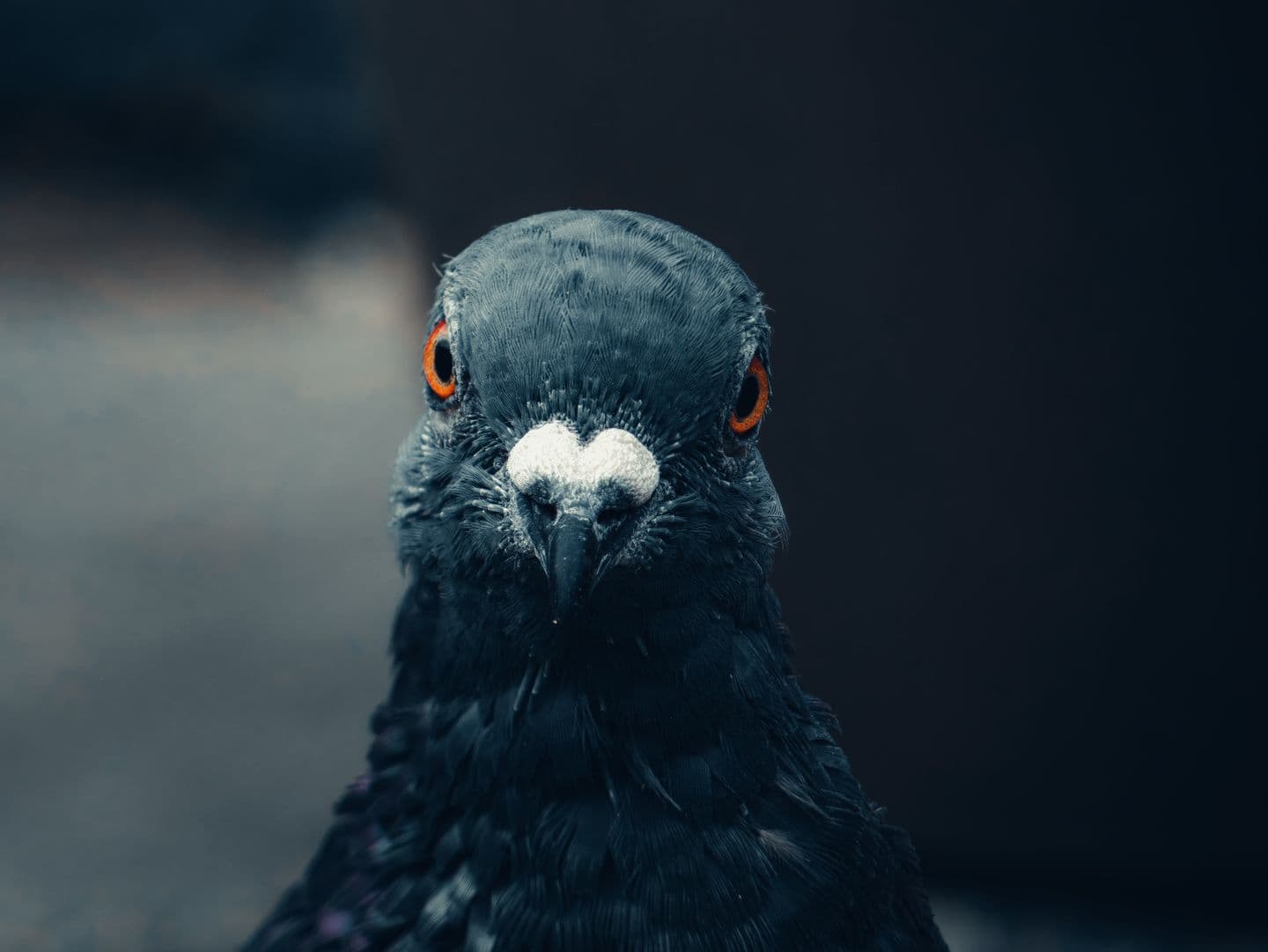
From paratyphoid to a lung condition now worrying doctors in Mumbai and Delhi, here is what every pigeon keeper and balcony feeder in India should know.
4 min read
Birds / Getting Started
Almost every Indian home has a money plant trailing along a shelf or a tulsi pot on the balcony. Most owners never think twice about it until their bird takes an interested peck, so it is worth knowin
3 min read