
Birds / Getting Started
Can Cats and Birds Live Together Safely?
It is possible in many Indian households, but it takes real management, not just hoping for the best.
3 min read
Birds / Breeds
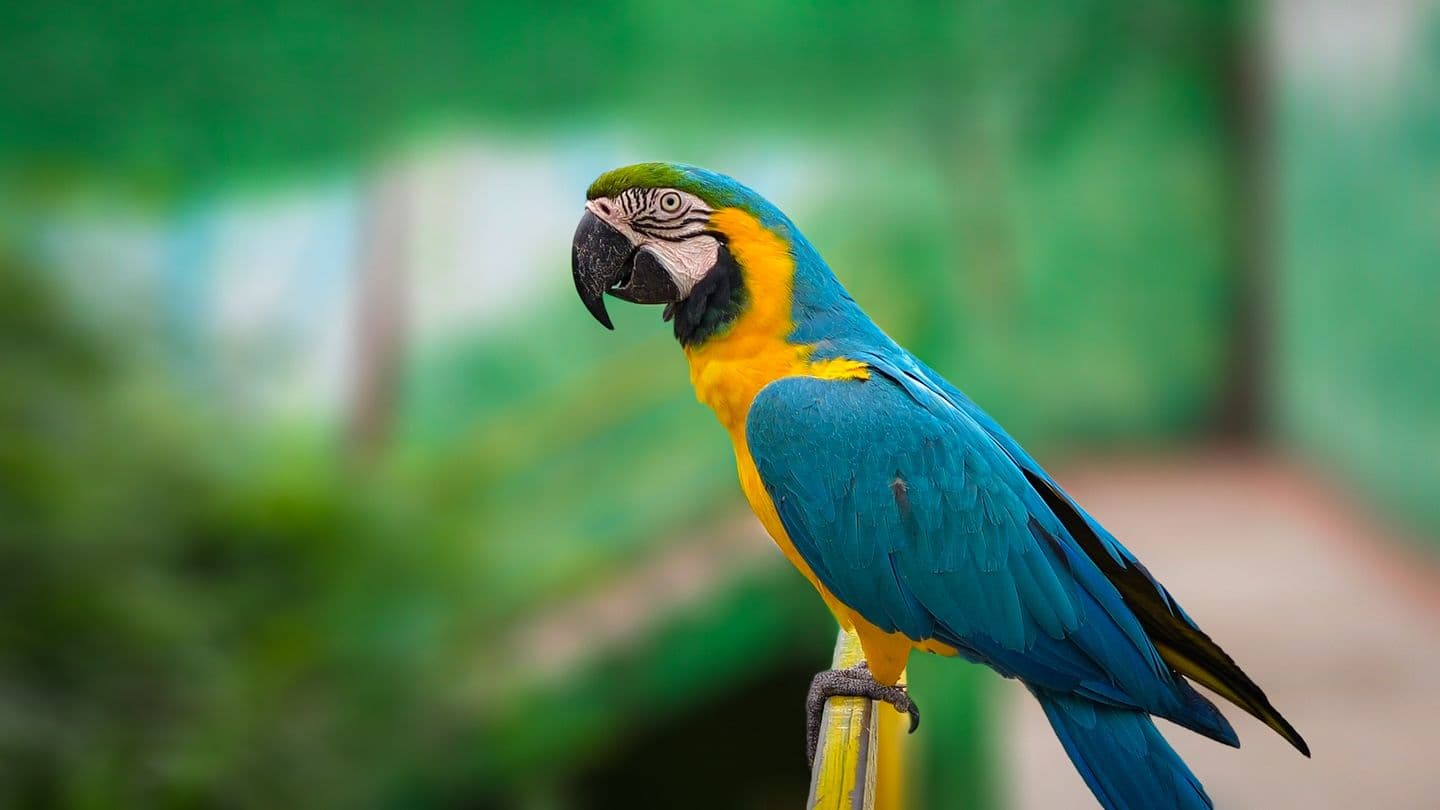
The largest parrot in the world, a deep cobalt blue giant that is as much a serious conservation concern as it is a companion bird.
The largest parrot in the world, a deep cobalt blue giant that is as much a serious conservation concern as it is a companion bird.
The hyacinth macaw holds the title of the largest parrot species on earth, a uniform cobalt-blue bird with a wingspan reaching up to five feet. It is a genuinely spectacular animal, and also a species whose ownership carries real conservation weight given its status in the wild.
Hyacinth macaws are classified as Vulnerable, with wild populations having suffered severe historical declines from habitat loss and, especially, capture for the pet trade. Their enormous beak, powerful enough to crack the hardest palm nuts that few other animals can open, makes them ecologically important seed dispersers in their native South American range, adding to the conservation stakes around the species. Anyone considering this bird should insist on a documented, legally bred individual rather than one of uncertain origin.
Despite their intimidating size, hyacinth macaws are widely regarded as gentle giants, often described as more easy-going and less prone to biting than some smaller, more excitable parrot species. They are highly intelligent, deeply bonded to their owners, and, unsurprisingly given their beak strength, capable of destroying anything not specifically built to withstand it.
A diet built on quality large-parrot pellets, a wide variety of nuts, including particularly hard-shelled types most other parrots cannot open, and fresh fruit and vegetables suits hyacinth macaws well. Their nutritional needs, particularly around fat and calcium, are more specific than many other parrot species, and consulting an avian vet experienced with this species is worthwhile.
This is the most demanding housing requirement of any bird in this series: an enormous, heavy-duty cage and, ideally, access to an outdoor aviary, is genuinely necessary, along with toys and perches robust enough to survive a beak strong enough to crack palm nuts other animals cannot touch.
Hyacinth macaws commonly live 50 years in the wild and can live 60 years or more in captivity given outstanding care, a lifetime commitment in the truest sense.
Article content © Ravi Teja. All rights reserved.
Birds / Getting Started
It is possible in many Indian households, but it takes real management, not just hoping for the best.
3 min read
Birds / Health
From paratyphoid to a lung condition now worrying doctors in Mumbai and Delhi, here is what every pigeon keeper and balcony feeder in India should know.
4 min read
Birds / Getting Started
Almost every Indian home has a money plant trailing along a shelf or a tulsi pot on the balcony. Most owners never think twice about it until their bird takes an interested peck, so it is worth knowin
3 min read