
Birds / Getting Started
Can Cats and Birds Live Together Safely?
It is possible in many Indian households, but it takes real management, not just hoping for the best.
3 min read
Birds / Breeds
Small, fiercely affectionate and just as fiercely opinionated, lovebirds are among the most popular small parrots in Indian homes.
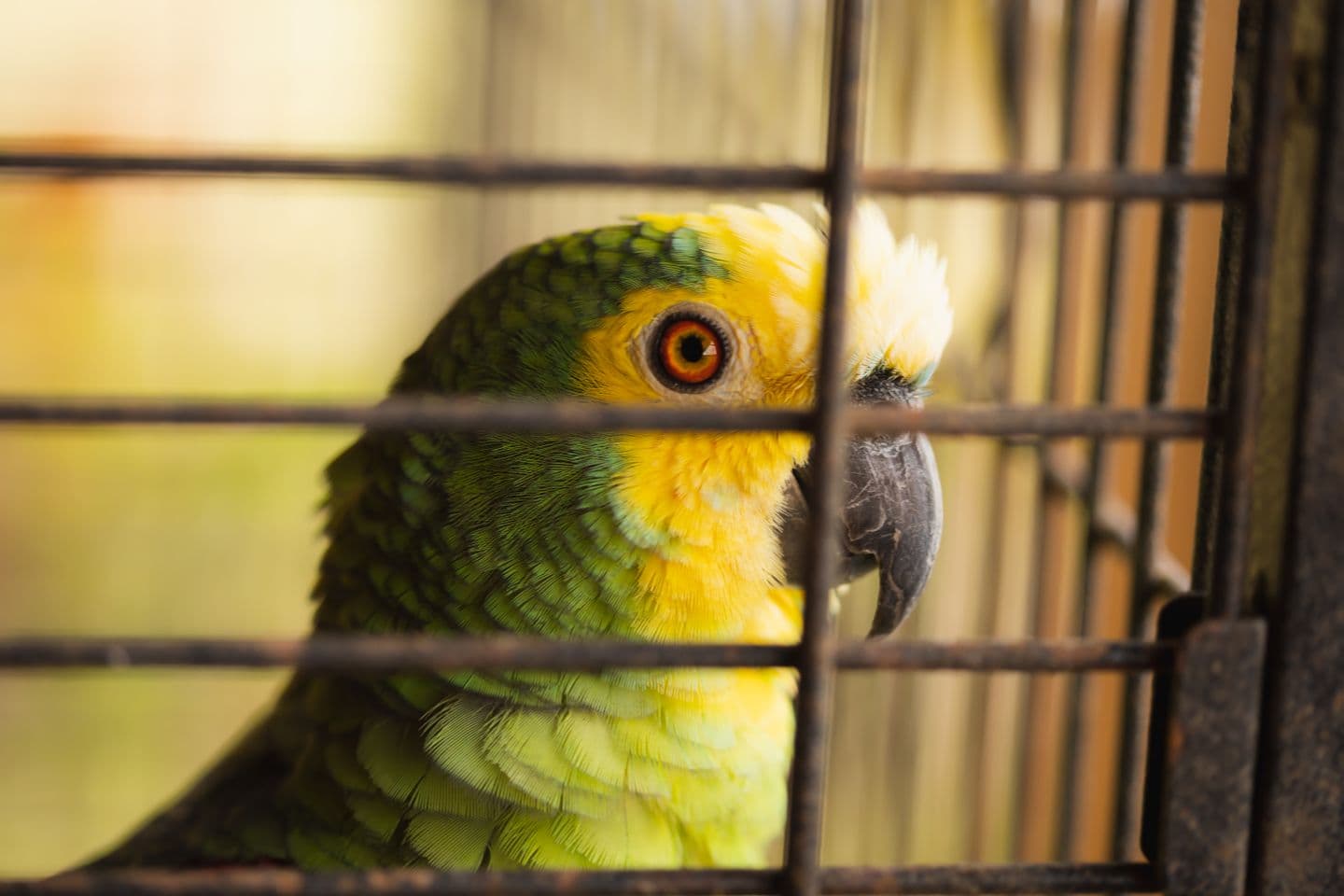
Small, fiercely affectionate and just as fiercely opinionated, lovebirds are among the most popular small parrots in Indian homes.
Lovebirds get their name from the strong pair bonds they form, often seen sitting pressed together on a perch, but the popular idea that a lone lovebird will pine away without a partner is an exaggeration. A single, well-socialised lovebird bonds just as intensely with its human owner, though it does need considerably more daily attention than a bird kept in a pair.
Lovebirds are small, roughly 13 to 17 centimetres long, but pack an outsized personality into that frame. They are curious, playful and enjoy hiding in pockets, sleeves and under paper, but also have a well-earned reputation for territorial and even jealous behaviour, particularly the peach-faced variety and especially during breeding season, when a normally friendly bird can become surprisingly defensive of its cage or its favourite person.
A good lovebird diet centres on a quality pelleted feed supplemented with fresh vegetables, leafy greens, sprouted seeds and limited fresh fruit. Lovebirds are prone to obesity and nutritional deficiency on a seed-heavy diet, so seeds are best treated as an occasional treat rather than the staple food.
Despite their small size, lovebirds are active and need more space than their body size suggests, ideally a cage at least 60 centimetres wide with room for several perches and toys. They are enthusiastic chewers and shredders of paper and soft wood, both as enrichment and, in females, as nest-building behaviour even without a mate present. Daily time out of the cage for supervised flight and exploration keeps a lovebird both physically and mentally healthy.
With good care, a lovebird typically lives 10 to 15 years, with some individuals reaching 18 to 20 years, making this a genuine decade-plus commitment rather than a short-term pet.
Lovebirds breed readily and prolifically in captivity, and many first-time owners end up with an unplanned clutch of chicks they were not prepared to rehome. If you are not specifically planning to breed, keeping same-sex pairs or a single bird avoids this situation entirely, and is worth deciding on deliberately before bringing a pair home rather than after the eggs appear.
Article content © S Vejay Anand. All rights reserved.
Birds / Getting Started
It is possible in many Indian households, but it takes real management, not just hoping for the best.
3 min read
Birds / Health
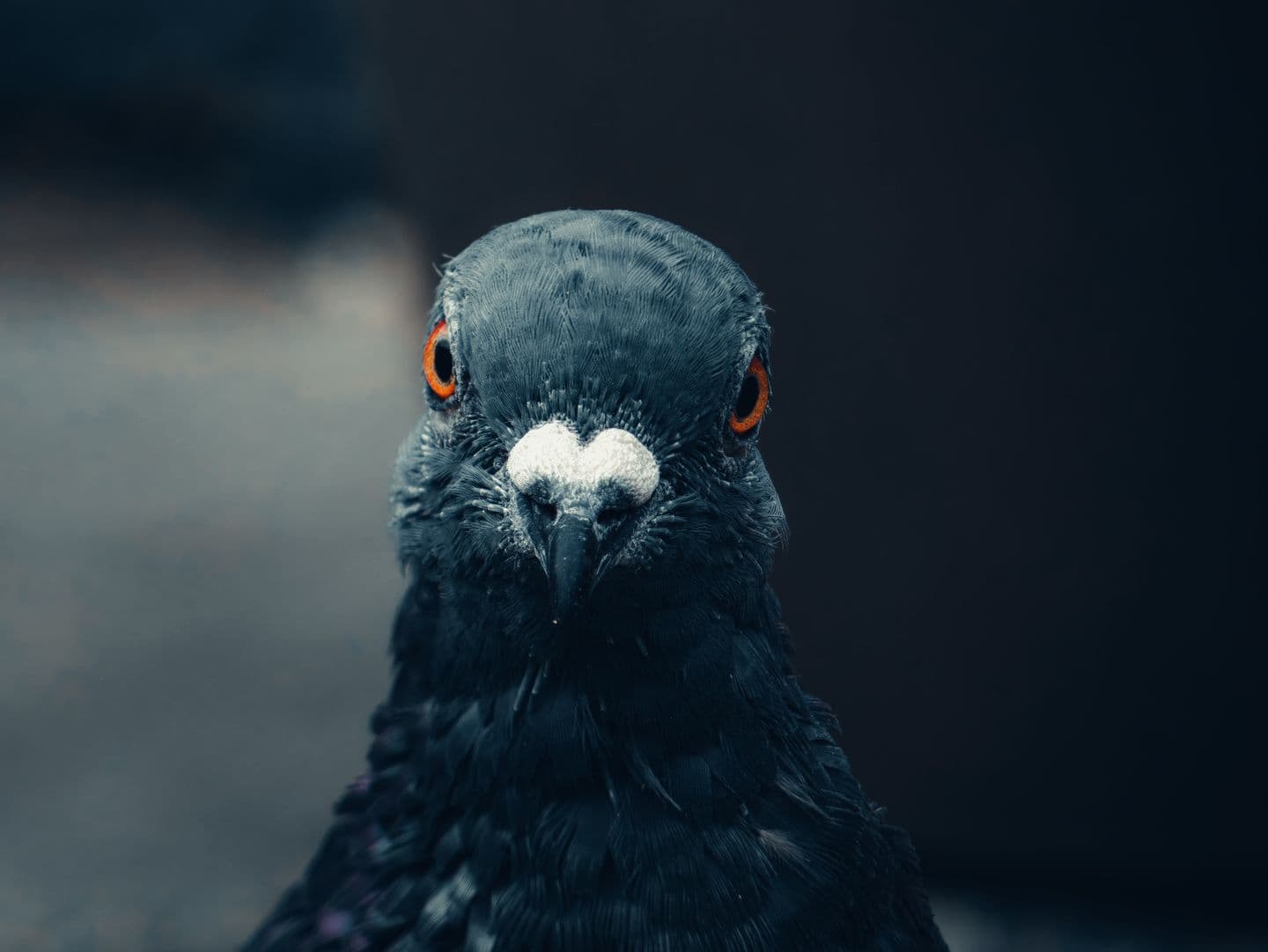
From paratyphoid to a lung condition now worrying doctors in Mumbai and Delhi, here is what every pigeon keeper and balcony feeder in India should know.
4 min read
Birds / Getting Started
Almost every Indian home has a money plant trailing along a shelf or a tulsi pot on the balcony. Most owners never think twice about it until their bird takes an interested peck, so it is worth knowin
3 min read