

Birds / Getting Started
Can Cats and Birds Live Together Safely?
It is possible in many Indian households, but it takes real management, not just hoping for the best.
3 min read
Birds / Breeds
Macaws are magnificent, intelligent and enormously demanding. Understanding the full picture matters more with this group than almost any other.
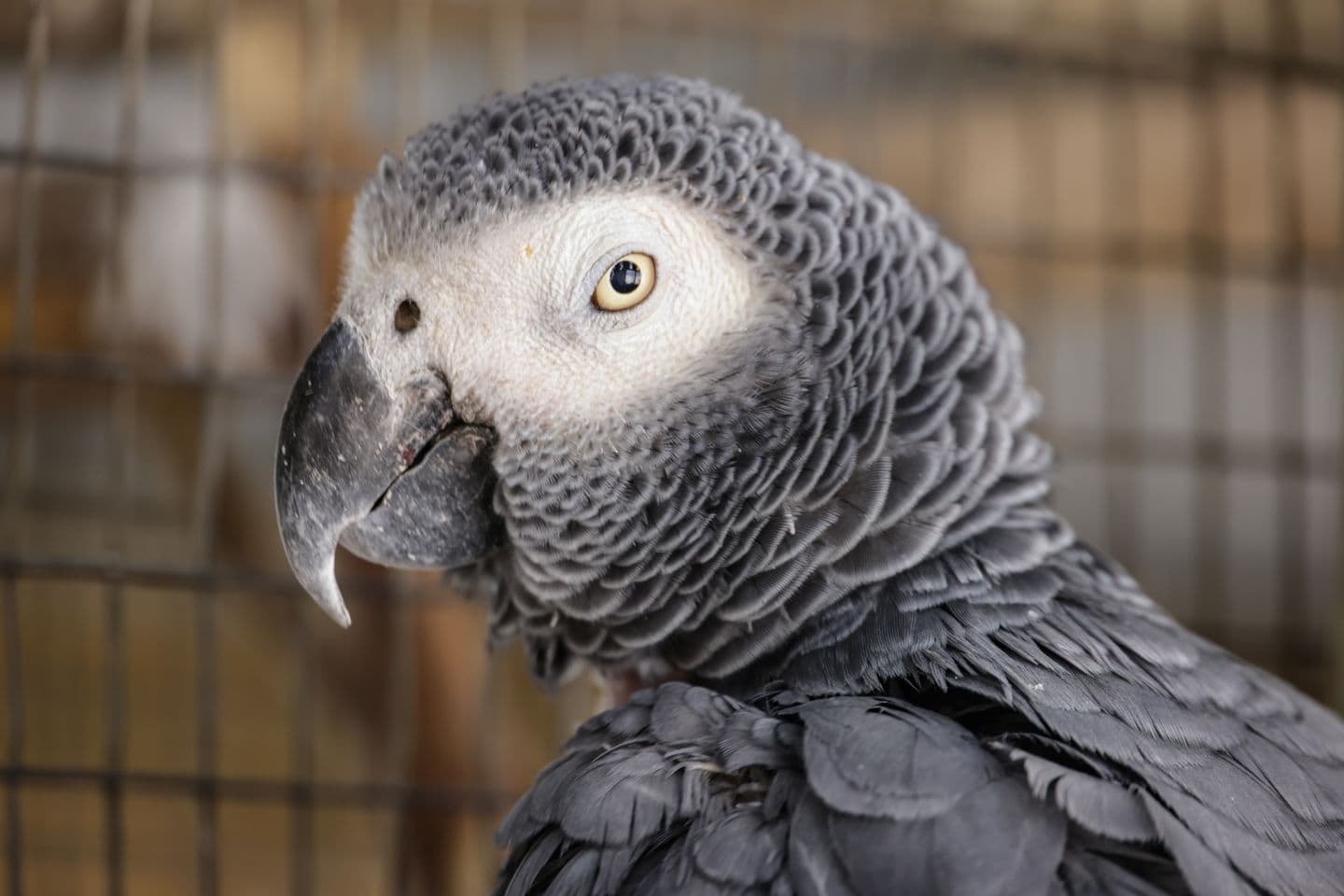
Macaws are magnificent, intelligent and enormously demanding. Understanding the full picture matters more with this group than almost any other.
Macaws are the birds most people picture when they imagine an exotic pet parrot: enormous, vividly coloured, strikingly intelligent, and capable of a bond with their owner that many describe as closer to a lifelong relationship than a typical pet dynamic. They are also among the most demanding birds it is possible to keep, and this overview is worth reading in full before considering any specific macaw species.
Macaws range from the smaller Hahn's macaw at around 30 centimetres to the enormous hyacinth macaw at over a metre in length. Across the group, macaws are highly intelligent, emotionally sensitive, and capable of forming an intense bond with their owner, sometimes to the point of becoming possessive or one-person birds without careful, ongoing socialisation. Their beaks are powerful enough to crack the hardest nuts and, without appropriate outlets, to cause serious damage to furniture or a careless hand.
A varied diet of quality large-parrot pellets, fresh fruits and vegetables, nuts in moderation, and occasional legumes suits most macaws well. Their strong beaks mean they can handle whole nuts in shell, which also doubles as valuable enrichment.
Macaws need genuinely large housing, ideally an aviary or a very large cage combined with a substantial play stand, along with daily flight or exercise time. Their volume is also a serious practical consideration: macaws are naturally loud, with calls that carry considerable distances, making them a poor fit for apartment living or homes with close neighbours.
Macaws are exceptionally long-lived, commonly reaching 30 to 50 years and, in some of the larger species, 60 years or more, meaning a macaw acquired as a young adult can realistically outlive its original owner. This single fact alone should be central to anyone's decision to take one on.
Individual macaw species, covered separately elsewhere in this series, vary in size, noise level and temperament, but they all share this same core demand: significant space, significant daily time, significant noise tolerance from those around you, and a multi-decade commitment. A macaw chosen on the strength of its stunning colour alone, without weighing these factors honestly, is one of the more common sources of rehoming later on.
A macaw's beak is strong enough to crack a Brazil nut and, if it ever bites in fear, frustration or overexcitement, strong enough to cause a genuinely serious injury to a child's hand or face. This is not a reason macaws and families cannot coexist, many do so happily, but it does mean interactions between a macaw and a young child should always be closely supervised by an adult who understands the bird's warning signs, and a young child should never be left to handle a macaw independently the way they might a budgie or cockatiel.
Article content © Ravi Teja. All rights reserved.
Birds / Getting Started
It is possible in many Indian households, but it takes real management, not just hoping for the best.
3 min read

Birds / Health
From paratyphoid to a lung condition now worrying doctors in Mumbai and Delhi, here is what every pigeon keeper and balcony feeder in India should know.
4 min read

Birds / Getting Started
Almost every Indian home has a money plant trailing along a shelf or a tulsi pot on the balcony. Most owners never think twice about it until their bird takes an interested peck, so it is worth knowin
3 min read