
Birds / Getting Started
Can Cats and Birds Live Together Safely?
It is possible in many Indian households, but it takes real management, not just hoping for the best.
3 min read
Birds / Breeds
Quiet, steady and genuinely well suited to apartment living, the Meyer's parrot is one of the more underrated African parrot species.
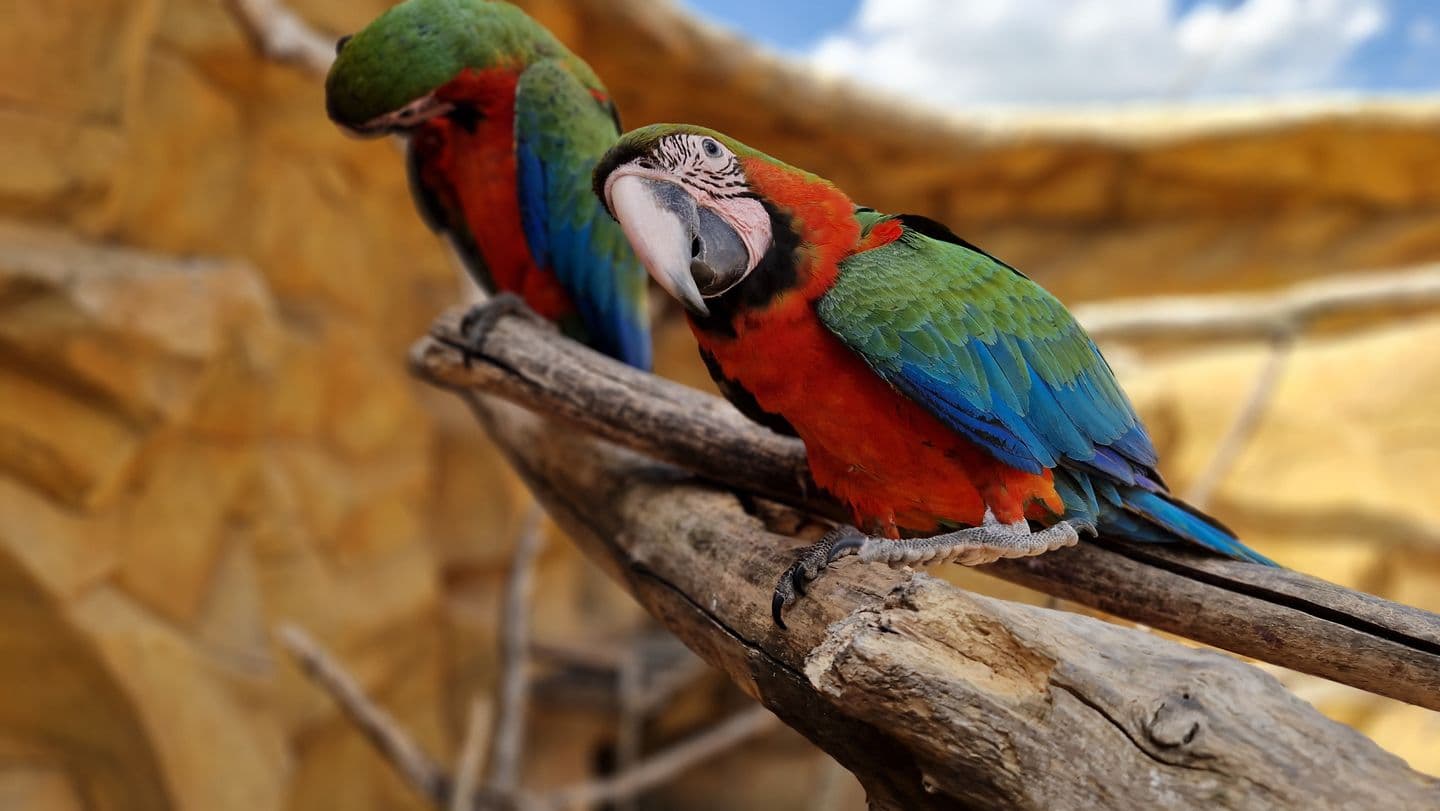
Quiet, steady and genuinely well suited to apartment living, the Meyer's parrot is one of the more underrated African parrot species.
The Meyer's parrot has long lived somewhat in the shadow of its flashier cousin, the Senegal parrot, within the Poicephalus family of African parrots. That relative obscurity is not really deserved: this is a calm, easy-going, genuinely quiet species that suits households looking for a manageable-sized parrot without the noise many other species bring.
Meyer's parrots are stable, easy-going birds with a notably calm temperament, often content to sit quietly on a perch chewing a toy and observing their surroundings rather than seeking constant activity or attention. They tend to bond with the whole family rather than fixating on one person, and while not typically a cuddle-seeking species, most enjoy gentle head and neck scratches once trust is established. They are capable talkers, picking up words and common household sounds with surprisingly clear delivery.
A diet built on quality pellets, supplemented with fresh fruit and vegetables, suits Meyer's parrots well. As with African greys, this genus is known for a particular sensitivity to calcium levels, so attention to calcium adequacy in the diet is worthwhile.
A roomy cage with plenty of climbing space and chewable toys suits this species well. Meyer's parrots are relatively quiet by parrot standards, with simple chirps and tweets rather than piercing screams, making them one of the more apartment-friendly medium parrot choices.
Meyer's parrots typically live around 20 years, with the potential to reach 30 to 35 years given excellent long-term care.
Like African greys, Meyer's parrots and other Poicephalus species are known for a particular sensitivity to calcium levels, and indoor birds without adequate natural or full-spectrum light are more prone to related deficiencies. Males can become more aggressive during breeding season, which is normal hormonal behaviour rather than a training failure. Otherwise, this is a genuinely hardy, adaptable species with few species-specific health concerns beyond the general nutritional and respiratory care that applies to parrots as a whole.
Article content © Ravi Teja. All rights reserved.
Birds / Getting Started
It is possible in many Indian households, but it takes real management, not just hoping for the best.
3 min read
Birds / Health
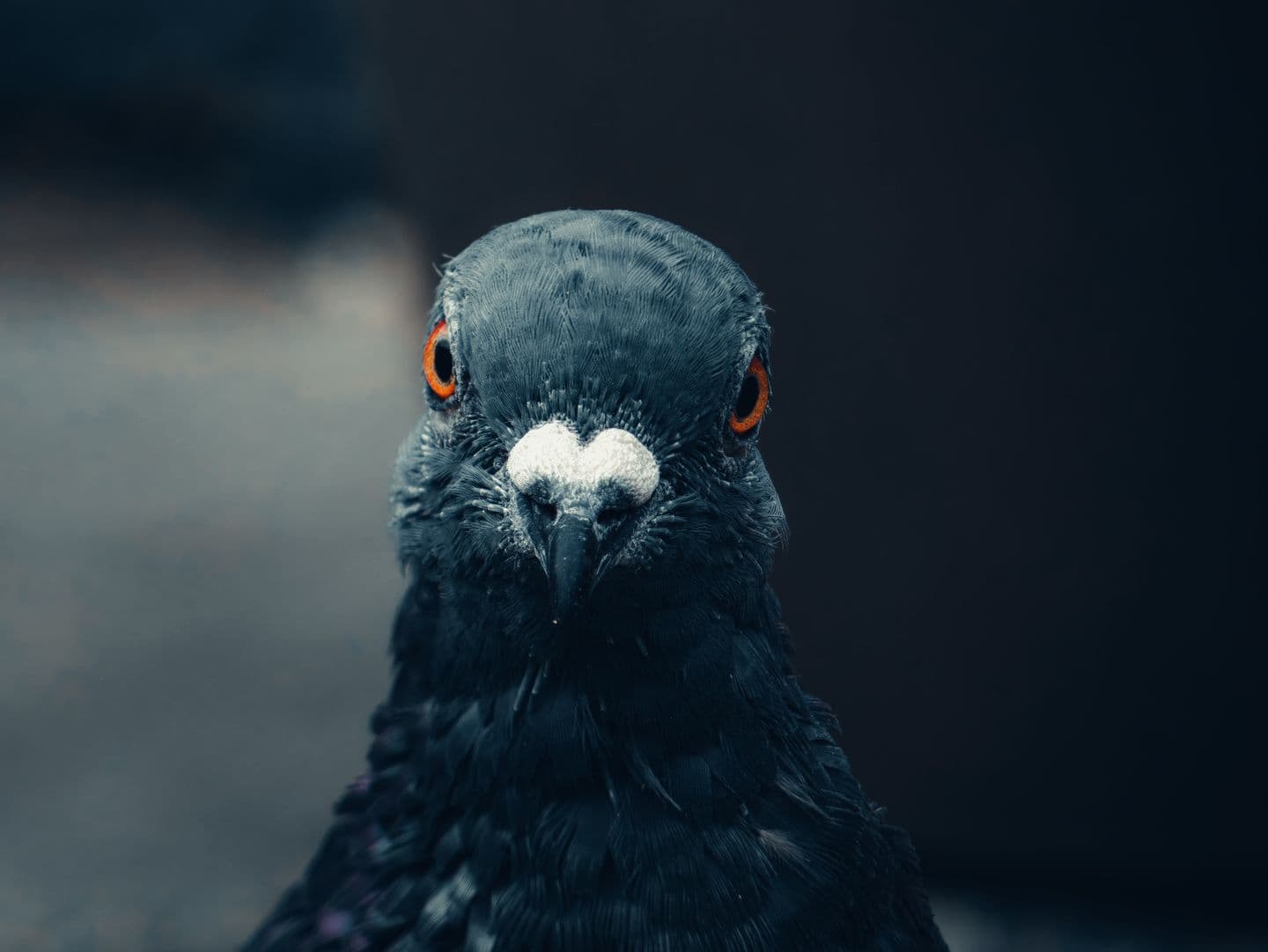
From paratyphoid to a lung condition now worrying doctors in Mumbai and Delhi, here is what every pigeon keeper and balcony feeder in India should know.
4 min read
Birds / Getting Started
Almost every Indian home has a money plant trailing along a shelf or a tulsi pot on the balcony. Most owners never think twice about it until their bird takes an interested peck, so it is worth knowin
3 min read