
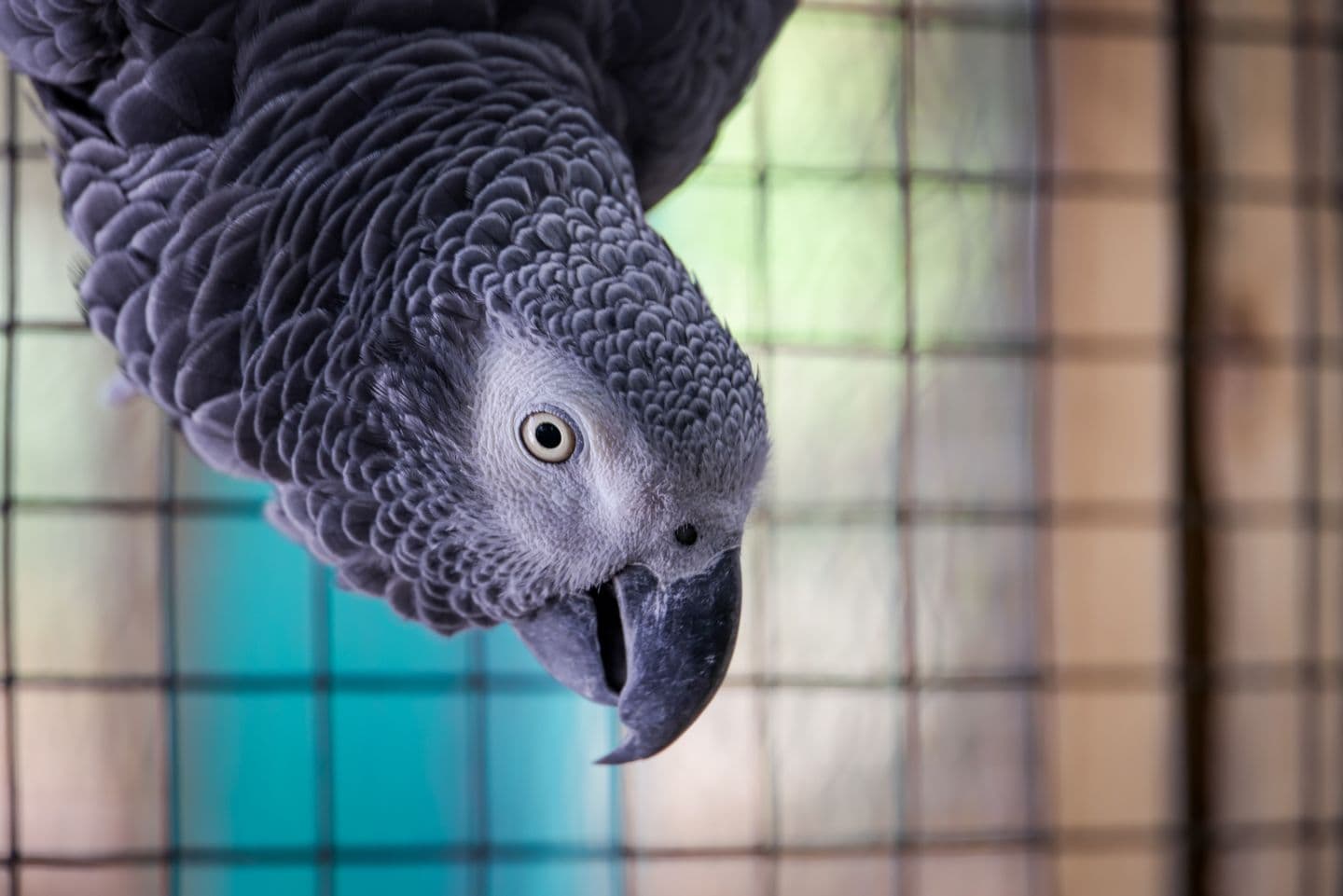
Birds / Getting Started
Can Cats and Birds Live Together Safely?
It is possible in many Indian households, but it takes real management, not just hoping for the best.
3 min read
Birds / Breeds
Few birds are more famous for mimicry than the Hill Myna, and few pet birds in India carry a clearer, stricter legal prohibition.
Few birds are more famous for mimicry than the Hill Myna, and few pet birds in India carry a clearer, stricter legal prohibition.
The word "mynah" covers several distinct species in India, most notably the common myna, a familiar sight in nearly every Indian city and town, and the Hill Myna, long celebrated as one of the finest mimics in the entire bird world, arguably surpassing even the African grey parrot in the clarity and human-like quality of its speech. Both are native Indian species, and both carry serious legal restrictions that anyone drawn to their reputation as talkers needs to understand clearly.
The Hill Myna is listed under Schedule I of the Wildlife Protection Act, 1972, the strictest protection category in Indian law, reserved for species considered most in need of protection. The common myna, while somewhat less strictly listed depending on the specific schedule cited by different sources, is also a native wild bird whose capture and captive keeping without authorisation is prohibited. This is not an ambiguous legal grey area of the kind discussed for some parakeet species elsewhere in this series: mynas, and the Hill Myna in particular, sit at the most heavily protected end of Indian wildlife law.
Despite this protection, investigations by wildlife organisations have documented an active illegal trade in Hill Mynas, particularly in Gujarat, with birds reportedly changing hands for anywhere from roughly fifteen thousand to fifty thousand rupees per pair depending on demonstrated mimicry ability, sold alongside other illegally trafficked species including parakeets and owls through informal networks linked to markets in cities including Mumbai. Birds caught up in this trade are frequently kept in poor conditions, and rescue organisations report considerably shorter lifespans in these circumstances than a properly cared-for bird would have.
Both the common and Hill Myna are highly vocal, intelligent, adaptable birds. The Hill Myna in particular is famed for producing an extraordinarily wide range of loud, often startlingly human-like calls, whistles and mimicked phrases, most active and vocal around dawn and dusk.
Anyone genuinely drawn to a myna's talking reputation has legal, readily available alternatives already covered in this series, including the African grey, budgerigar and Indian ringneck, all of which offer a genuinely comparable mimicry and companionship experience without the legal risk or the welfare concerns tied to this particular illegal trade. If you encounter an injured or distressed myna, the right step is the same as with any other native protected bird: contact a local wildlife rescue organisation or forest department office rather than keeping the bird yourself.
It is worth knowing that the common myna, while native and protected in India, is regarded very differently outside its home range. Introduced to countries including Australia, it has become one of the world's most successful invasive species, officially listed among the 100 worst invasive species globally, and is actively controlled or banned from import in several Australian states specifically because of the ecological damage it causes there. The same bird that is a protected native species deserving conservation in India is treated as a destructive pest requiring active management elsewhere, a genuinely interesting illustration of how a species' status depends entirely on where it is relative to its native range, not on anything fixed about the bird itself.
Article content © S Vejay Anand. All rights reserved.
Birds / Getting Started
It is possible in many Indian households, but it takes real management, not just hoping for the best.
3 min read
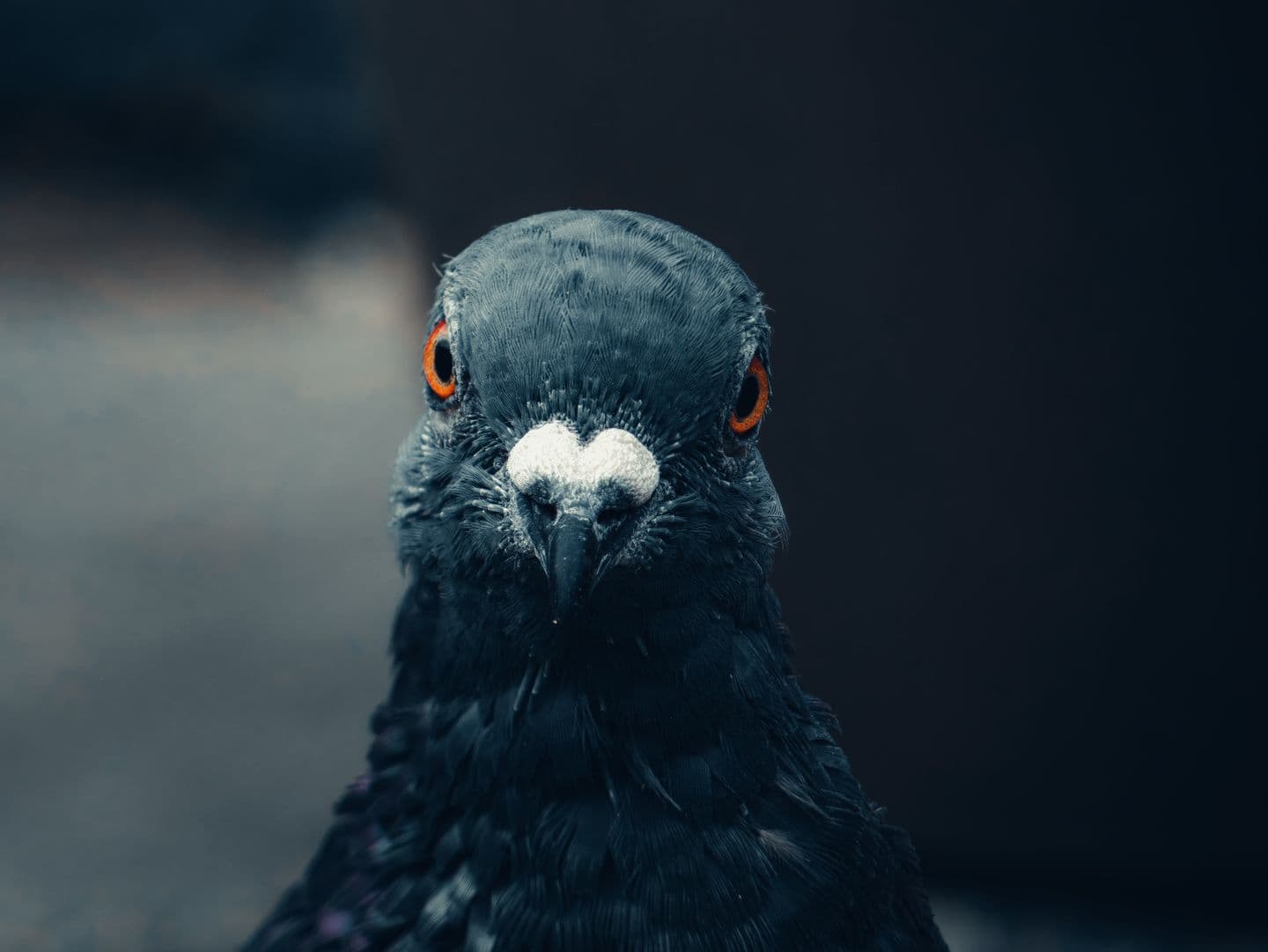
Birds / Health
From paratyphoid to a lung condition now worrying doctors in Mumbai and Delhi, here is what every pigeon keeper and balcony feeder in India should know.
4 min read
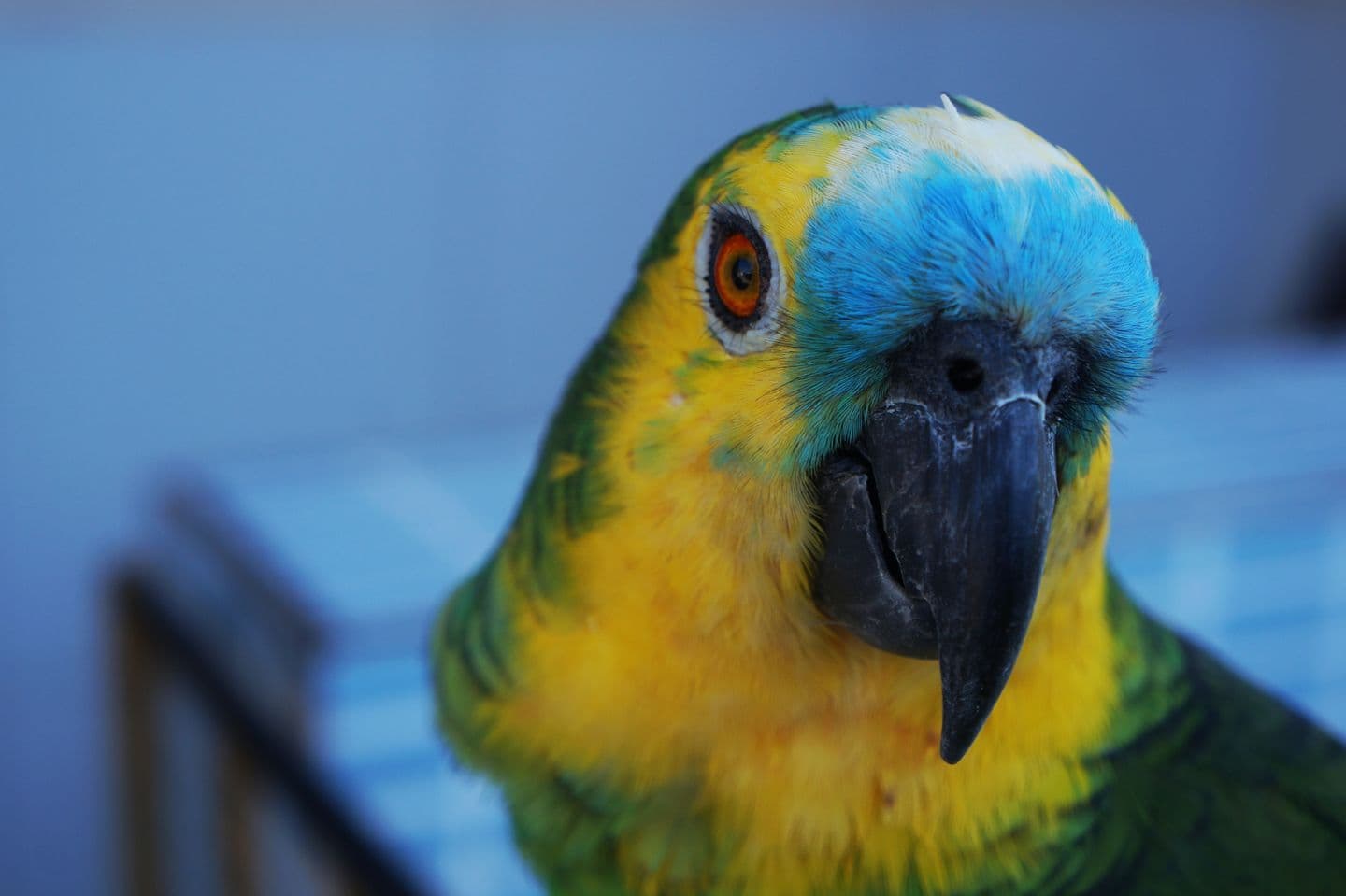
Birds / Getting Started
Almost every Indian home has a money plant trailing along a shelf or a tulsi pot on the balcony. Most owners never think twice about it until their bird takes an interested peck, so it is worth knowin
3 min read