
Birds / Getting Started
Can Cats and Birds Live Together Safely?
It is possible in many Indian households, but it takes real management, not just hoping for the best.
3 min read
Birds / Breeds
Named for its distinctive facial markings, the owl finch brings understated charm and an easy-going nature to a mixed finch aviary.
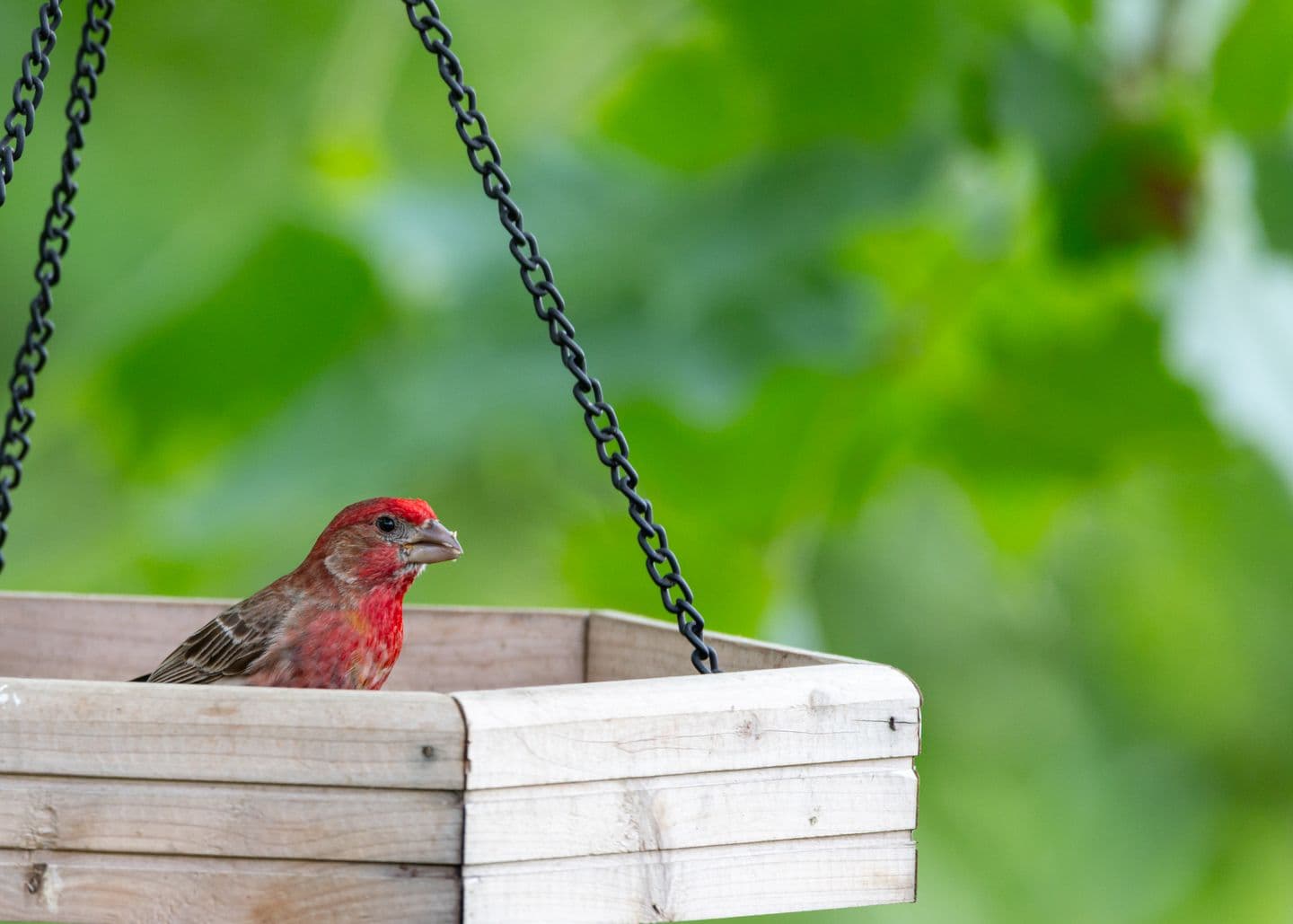
Named for its distinctive facial markings, the owl finch brings understated charm and an easy-going nature to a mixed finch aviary.
The owl finch does not compete with the more flamboyant Gouldian or zebra finch for sheer colour, but its distinctive facial pattern, a white mask bordered by black bars above and below a pale chest, gives it a quiet character all its own. It remains a popular choice among finch keepers for its social, easy-going nature.
Owl finches are social birds best kept in a small flock rather than alone, and they generally coexist peacefully with other calm finch species in a shared aviary. Telling males from females by sight is notoriously difficult in this species, since the visual difference between the sexes is minimal, and even experienced keepers can struggle without close observation of behaviour during breeding season.
A good finch seed mix or pelleted base diet, supplemented with fresh greens, sprouted seeds and occasional egg food, particularly during breeding, keeps owl finches healthy.
A wide flight cage or aviary with room for several perches and enough space for the flock to move without constant competition suits owl finches well. As with other finches, horizontal flight room matters more than height.
Owl finches typically live in the same general range as other pet finches, roughly five to ten years, with good care and a stable, stress-free environment supporting the longer end of that range.
Owl finches are generally hardy, but like other finches they are prone to stress-related illness if overcrowded or exposed to frequent disturbance, respiratory infections in poorly ventilated housing, and mite infestations, particularly in outdoor aviary settings. A sudden drop in activity, fluffed feathers held for long periods, or a finch sitting apart from the flock are all worth a closer look, since finches generally hide illness well until it is fairly advanced.
Article content © Ravi Teja. All rights reserved.
Birds / Getting Started
It is possible in many Indian households, but it takes real management, not just hoping for the best.
3 min read
Birds / Health
From paratyphoid to a lung condition now worrying doctors in Mumbai and Delhi, here is what every pigeon keeper and balcony feeder in India should know.
4 min read
Birds / Getting Started
Almost every Indian home has a money plant trailing along a shelf or a tulsi pot on the balcony. Most owners never think twice about it until their bird takes an interested peck, so it is worth knowin
3 min read