
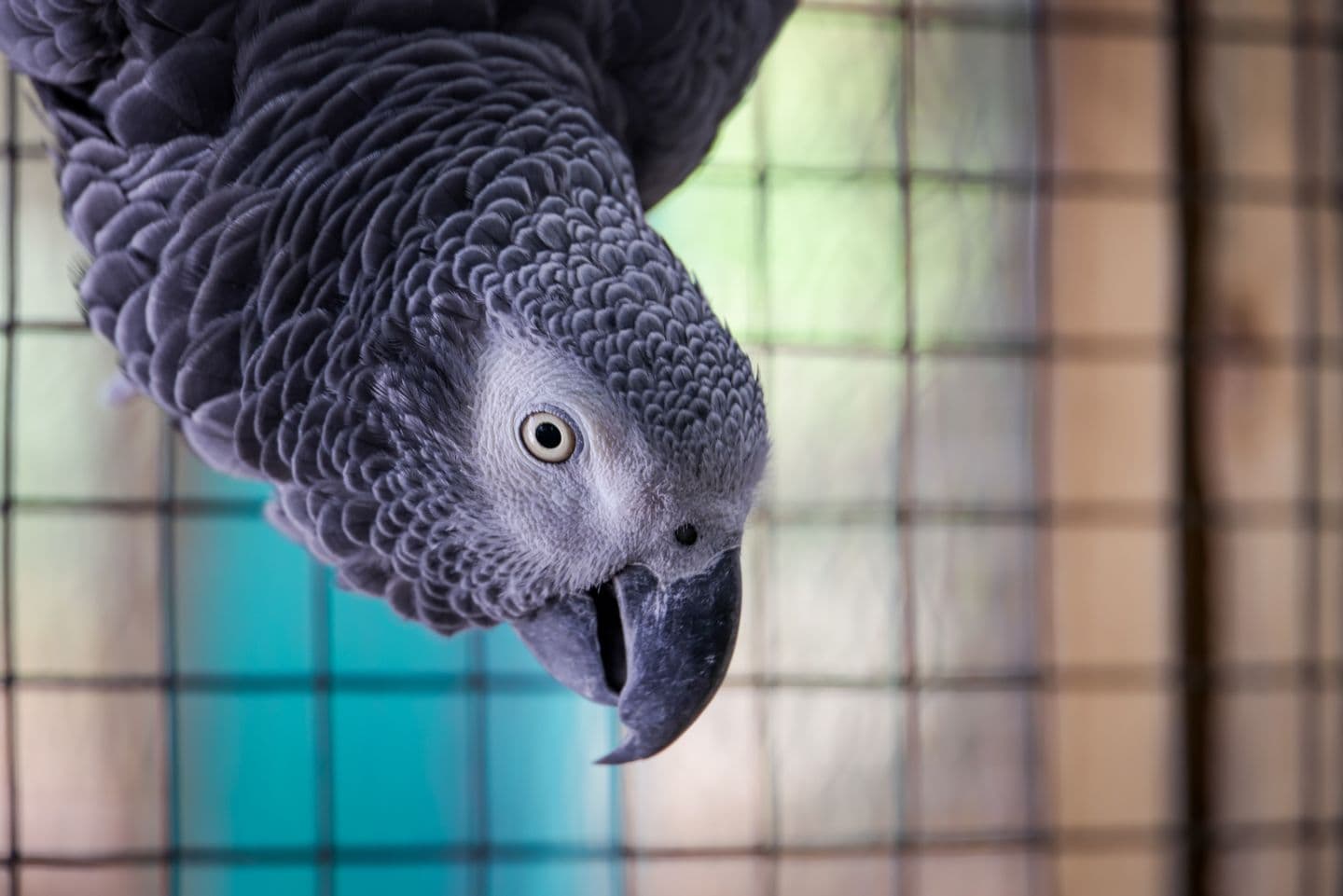
Birds / Getting Started
Can Cats and Birds Live Together Safely?
It is possible in many Indian households, but it takes real management, not just hoping for the best.
3 min read
Birds / Breeds
With a shock of feathers, a face that flushes red, and a beak that can strike sparks, the palm cockatoo is one of the most striking parrots in the world, and one of the least commonly kept.
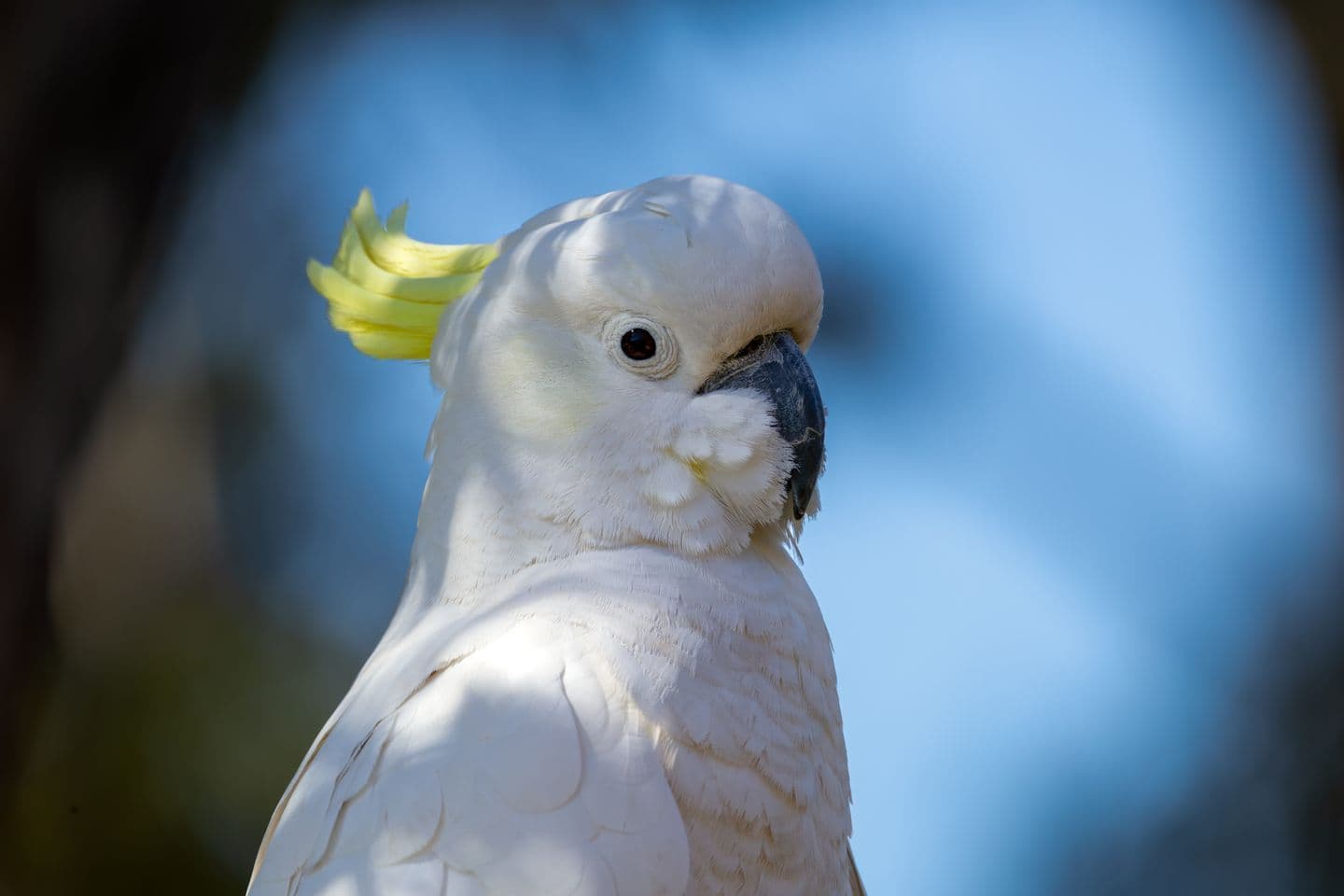
With a shock of feathers, a face that flushes red, and a beak that can strike sparks, the palm cockatoo is one of the most striking parrots in the world, and one of the least commonly kept.
The palm cockatoo, sometimes called the great black cockatoo, is unmistakable: a large, smoky black bird with a wild, upright crest, bright red bare cheek patches that flush deeper when the bird is excited, and an enormous curved beak, the largest of any cockatoo species. It serves as the emblem of the World Parrot Trust, and remains a genuinely rare sight in private aviculture.
The palm cockatoo is classified as Near Threatened, with populations declining due to habitat loss and historically low reproductive rates, since this species typically raises only a single chick every one to two years in the wild. This slow reproduction rate, combined with capture pressure in parts of its range, makes captive-bred individuals with clear, documented origins especially important for anyone considering this species.
Palm cockatoos are intelligent and, unusually among birds, have been observed in the wild fashioning drumsticks from sticks and seed pods to drum rhythmically against tree trunks as part of courtship display, a documented example of tool use and rhythm in a non-human species. In captivity they are less commonly kept than most other cockatoos discussed in this series, both because of their rarity and their specific care needs.
A diet built on quality large-parrot pellets, a variety of nuts, and fresh fruit suits palm cockatoos well, with particular attention to their large beak's need for tough, hard foods to chew and process.
This species needs a large, secure cage or aviary and significant daily engagement, given both its size and its intelligence. Its rarity in the pet trade means finding an experienced avian vet and breeder familiar with the species matters even more than usual.
Palm cockatoos are exceptionally long-lived, with reports of captive individuals living 50 to 90 years, among the longest lifespans of any commonly discussed parrot species.
Article content © Ravi Teja. All rights reserved.
Birds / Getting Started
It is possible in many Indian households, but it takes real management, not just hoping for the best.
3 min read
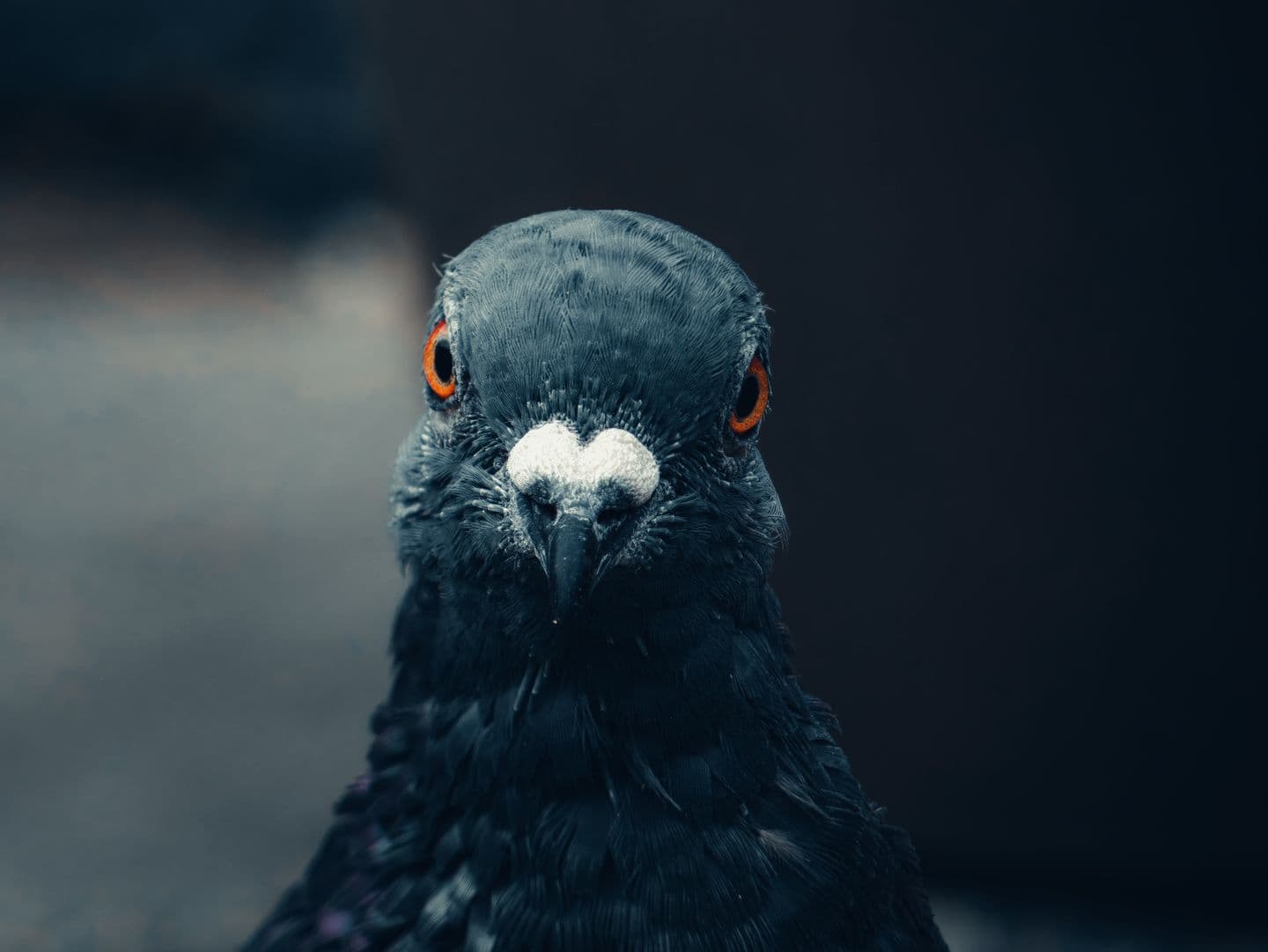
Birds / Health
From paratyphoid to a lung condition now worrying doctors in Mumbai and Delhi, here is what every pigeon keeper and balcony feeder in India should know.
4 min read
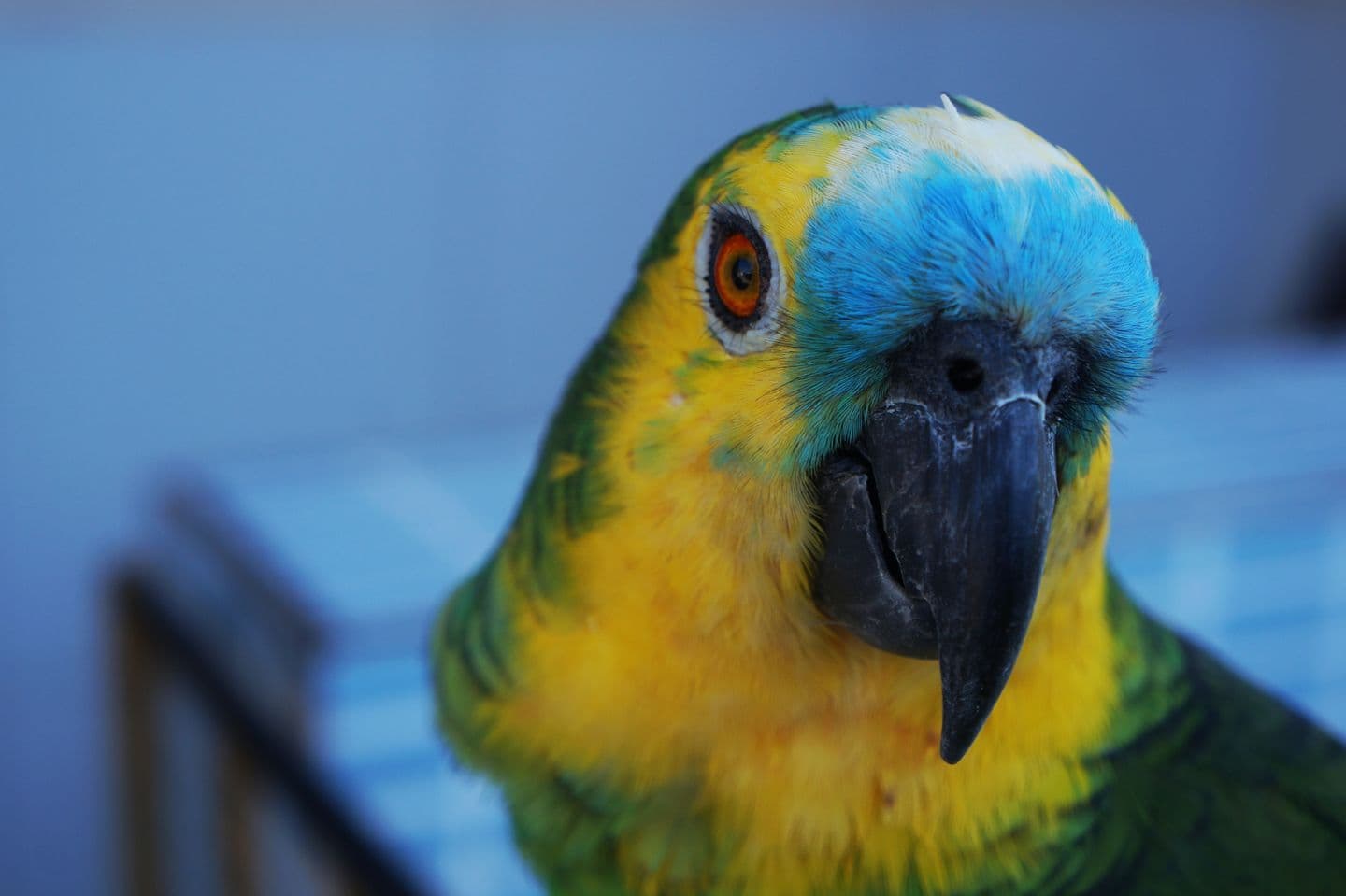
Birds / Getting Started
Almost every Indian home has a money plant trailing along a shelf or a tulsi pot on the balcony. Most owners never think twice about it until their bird takes an interested peck, so it is worth knowin
3 min read