
Birds / Getting Started
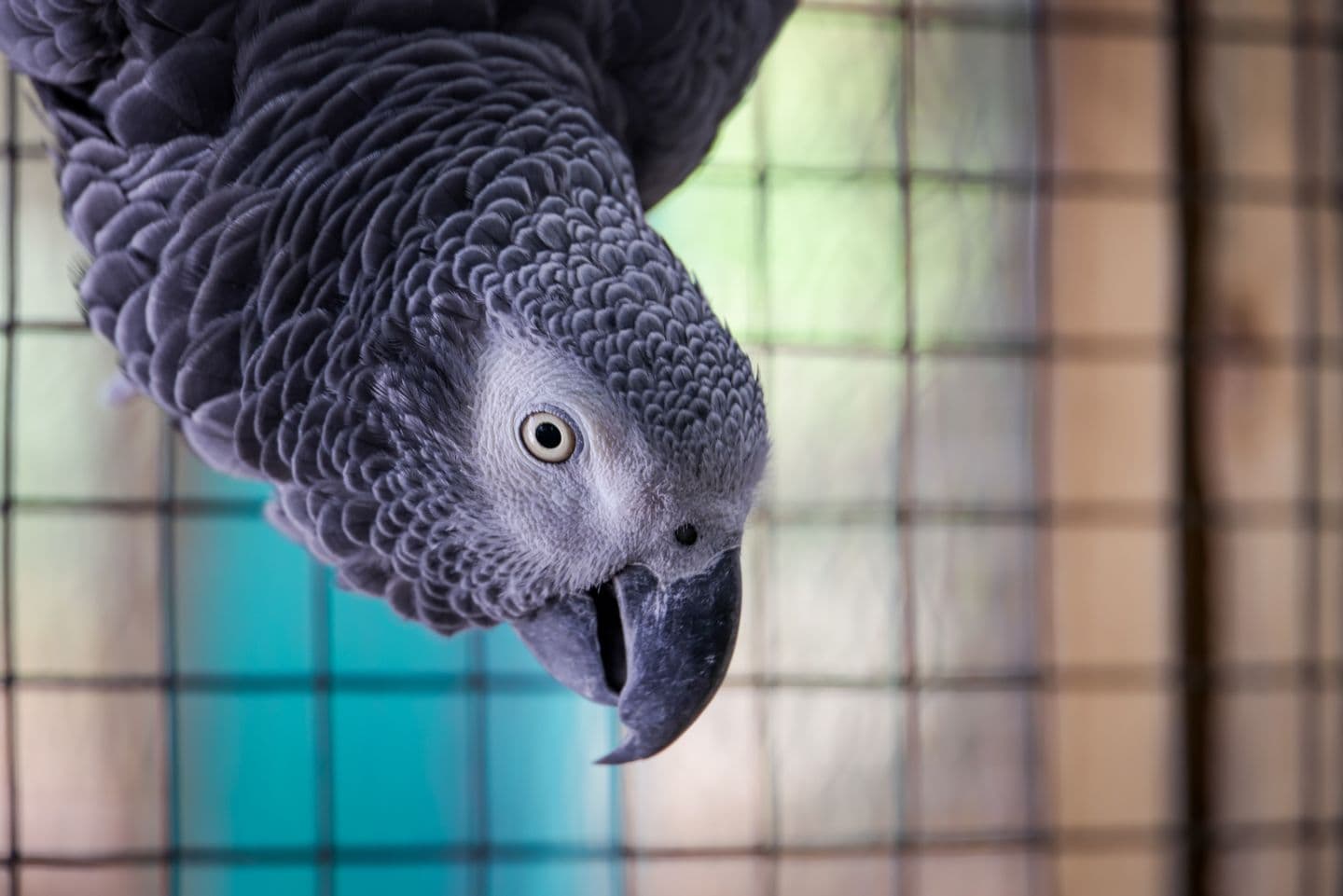
Can Cats and Birds Live Together Safely?
It is possible in many Indian households, but it takes real management, not just hoping for the best.
3 min read
Birds / Breeds
Calm, undemanding and often overlooked, Pionus parrots trade flash for a genuinely gentle, low-drama temperament.
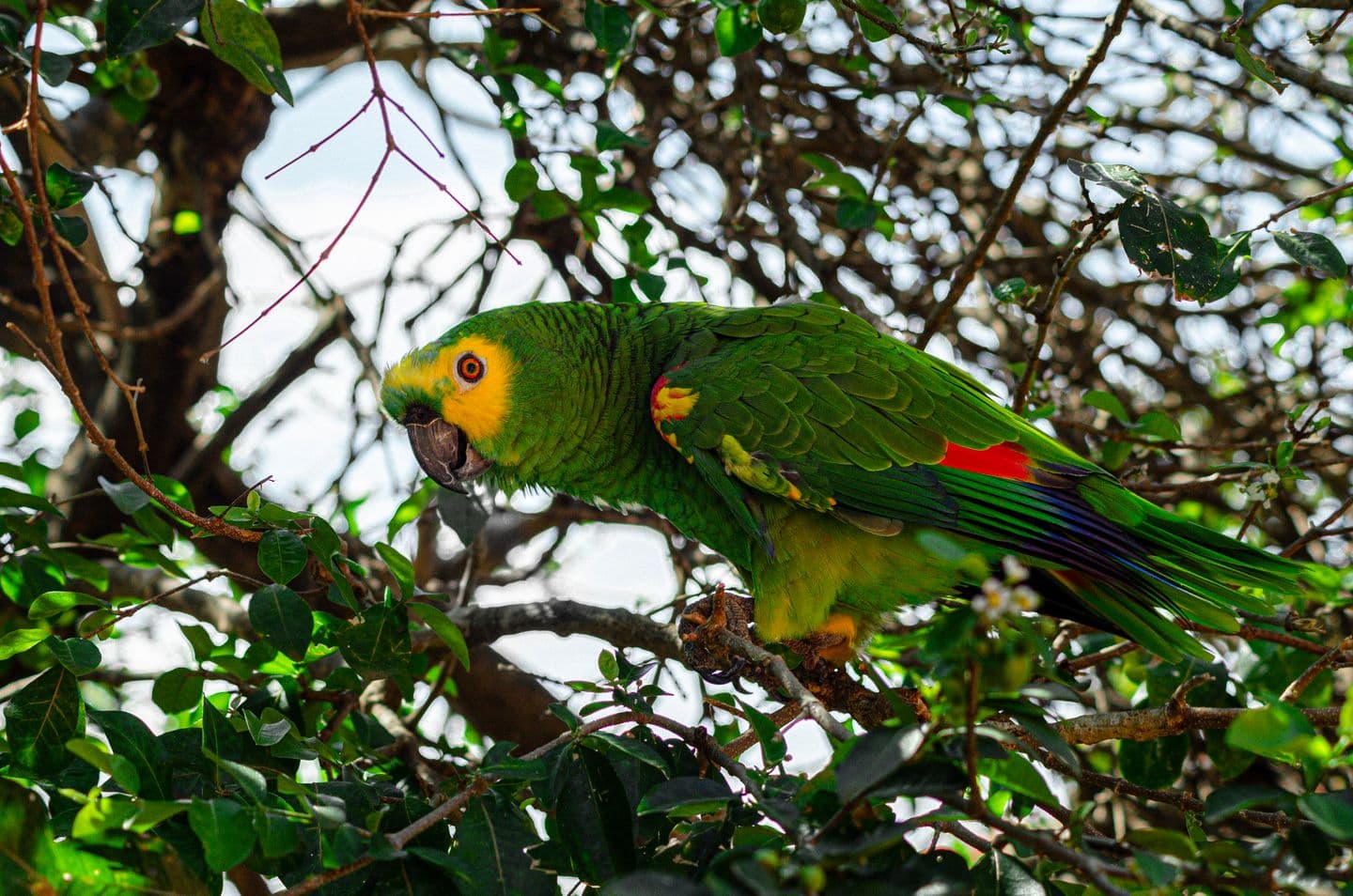
Calm, undemanding and often overlooked, Pionus parrots trade flash for a genuinely gentle, low-drama temperament.
Pionus parrots do not tend to top most people's list of parrot species, largely because their subdued colouring cannot compete with a macaw or a sun conure at first glance. Spend time around one, though, and their quiet, easy-going charm becomes obvious, which is exactly why devoted Pionus owners tend to be enthusiastic advocates for the group.
Pionus parrots are generally calmer and quieter than Amazon parrots, and unlike some other companion parrot species, most do not particularly enjoy vigorous physical play such as being flipped onto their backs, preferring gentler interaction instead. Their subdued base colouring becomes genuinely iridescent and striking under good light, and all species in the genus share bright red undertail coverts as a distinguishing feature. The most commonly kept species include the blue-headed, Maximilian's and white-capped Pionus, covered individually or as a group depending on availability.
A diet built on quality pellets, fresh vegetables and limited fruit suits Pionus parrots well. This genus is particularly known for a risk of vitamin A deficiency, so a diet with genuinely good nutritional variety, rather than a seed-heavy default, matters more here than in some other species.
A roomy cage, daily out-of-cage time and a calm, predictable routine suit this genuinely low-drama group well. Pionus parrots are not major screamers, but do have a distinctive wheezing alarm call when startled that first-time owners sometimes mistake for a respiratory problem.
Pionus parrots typically live around 15 years on average in captivity, though they are capable of living 25 to 30 years or more with excellent care, a genuinely long commitment despite their relatively modest reputation.
Pionus parrots have a distinctive stress response worth knowing about in advance: when frightened or overhandled, they can go into a form of respiratory distress accompanied by a wheezing sound, sometimes called a fright reaction, that looks alarming but usually resolves once the bird is left calm and undisturbed. Vitamin A deficiency from a seed-heavy diet is the other main concern across this genus, along with a general sensitivity to airborne irritants and poor ventilation.
Article content © Ravi Teja. All rights reserved.
Birds / Getting Started
It is possible in many Indian households, but it takes real management, not just hoping for the best.
3 min read
Birds / Health
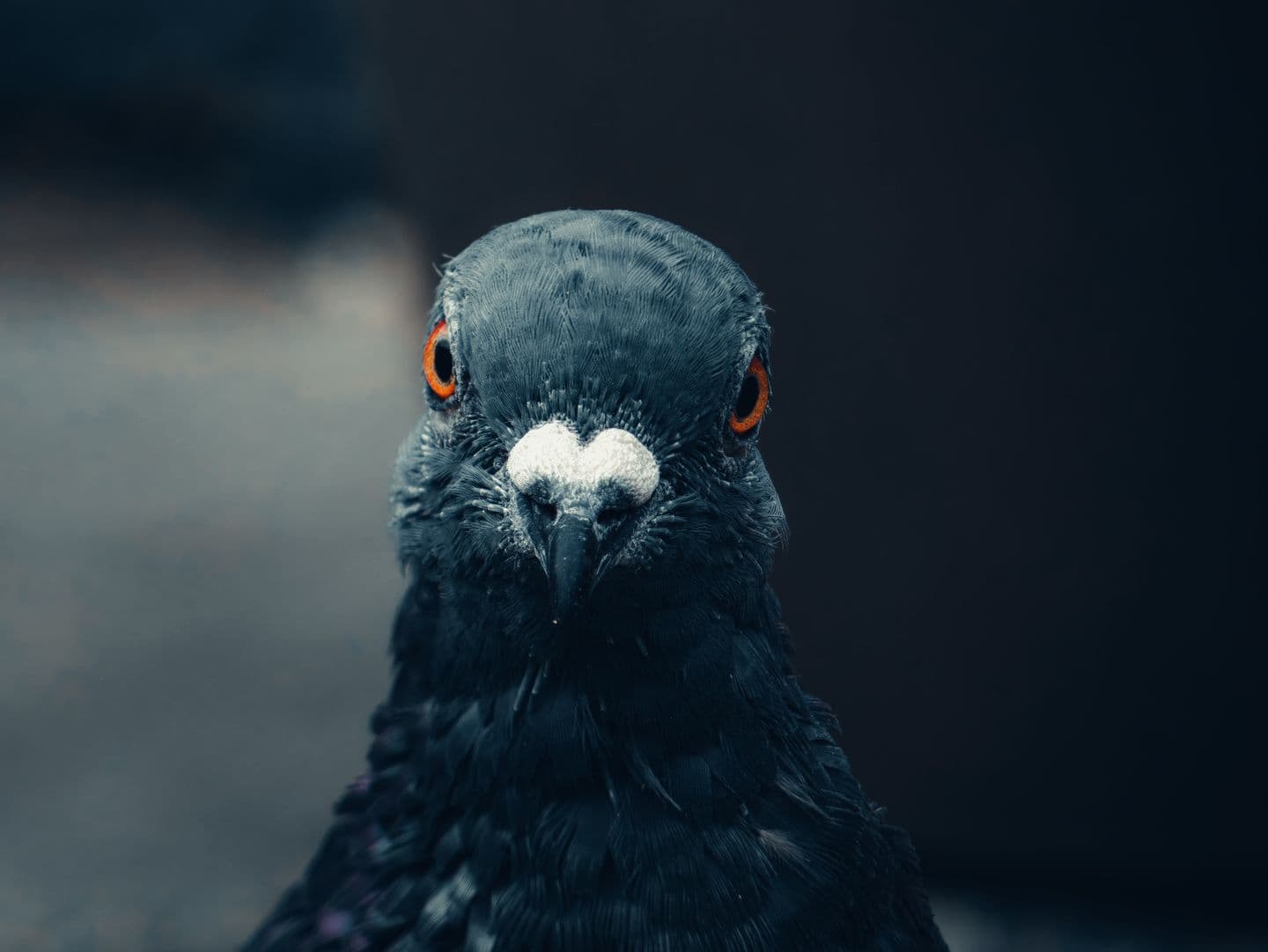
From paratyphoid to a lung condition now worrying doctors in Mumbai and Delhi, here is what every pigeon keeper and balcony feeder in India should know.
4 min read
Birds / Getting Started
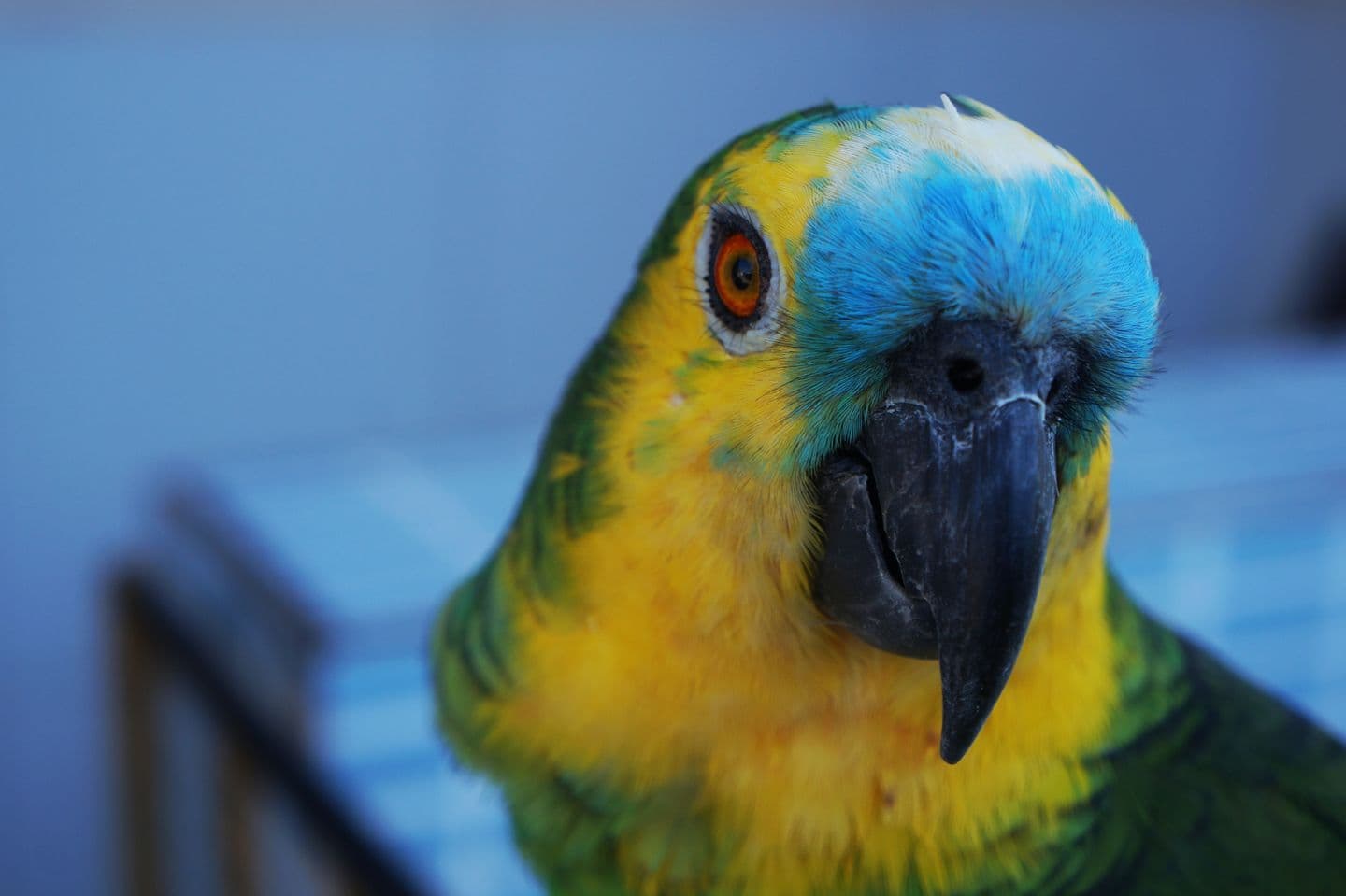
Almost every Indian home has a money plant trailing along a shelf or a tulsi pot on the balcony. Most owners never think twice about it until their bird takes an interested peck, so it is worth knowin
3 min read