

Birds / Getting Started
Can Cats and Birds Live Together Safely?
It is possible in many Indian households, but it takes real management, not just hoping for the best.
3 min read
Birds / Breeds
Smaller, quieter and more subtly coloured than its Ringneck and Alexandrine cousins, the Plum-headed parakeet carries the same legal complications as both.
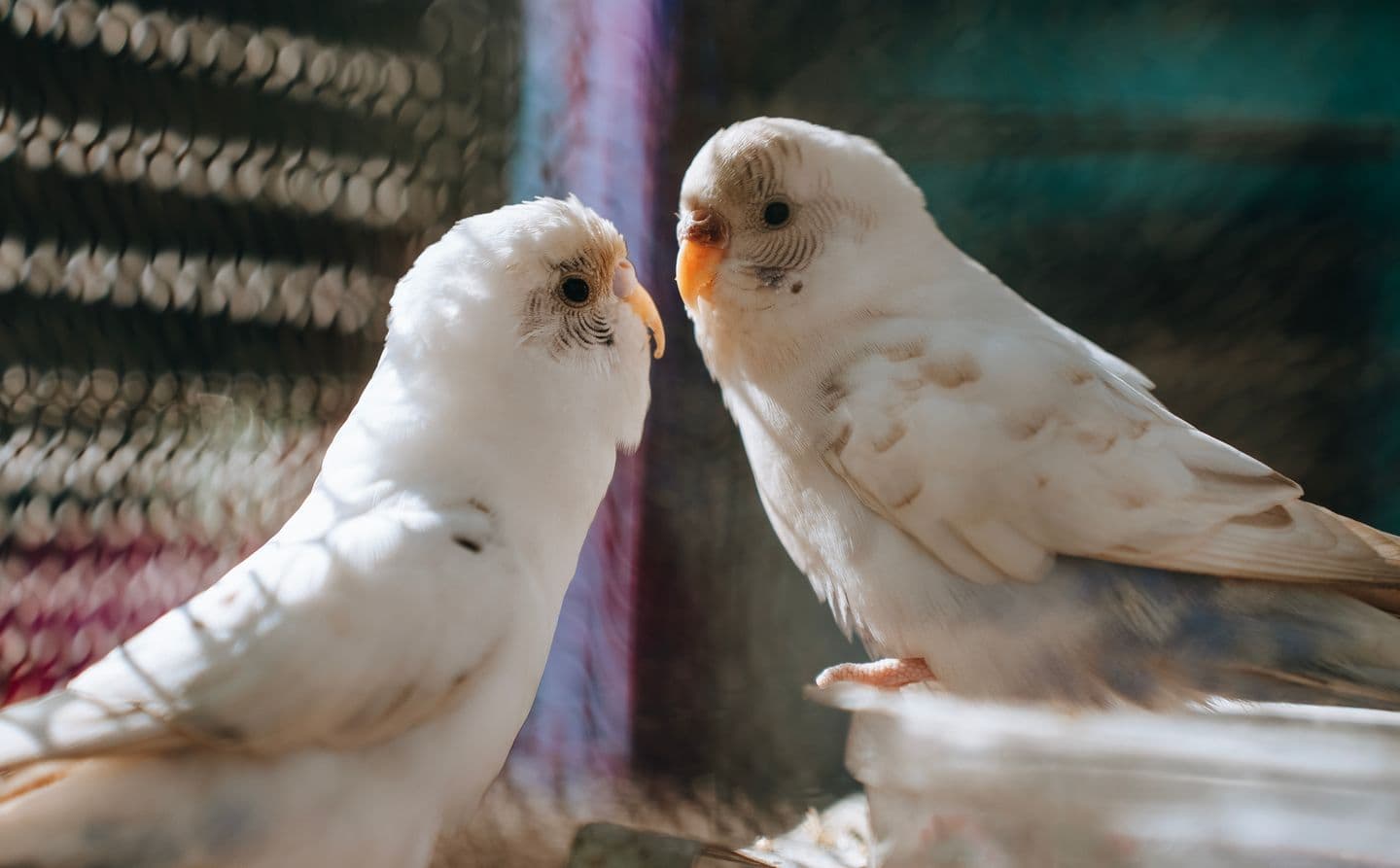
Smaller, quieter and more subtly coloured than its Ringneck and Alexandrine cousins, the Plum-headed parakeet carries the same legal complications as both.
The Plum-headed parakeet is one of India's more understated native parakeets, smaller and generally quieter than the rose-ringed and Alexandrine parakeets it is often compared to, with males showing a distinctive plum or wine-coloured head and females a softer grey-blue. It shares the same fundamental legal complication as its more commonly discussed relatives.
As a species native to the Indian subcontinent, the Plum-headed parakeet is protected under the Wildlife Protection Act, 1972, alongside the rose-ringed and Alexandrine parakeets. Wild capture and unlicensed trade are illegal, and the same enforcement inconsistencies discussed elsewhere in this series apply here too. Anyone considering this bird should approach it with the same caution and preference for documented, captive-bred stock, or a non-native alternative entirely, as with any other native Indian parakeet.
Slightly smaller and generally regarded as calmer and quieter than the rose-ringed parakeet, the Plum-headed parakeet is nonetheless intelligent and can be a capable talker with consistent socialisation. Like other Psittacula parakeets, it can go through a noticeably harder, more independent phase around adolescence before settling into a more predictable adult temperament.
A diet built around quality pellets, fresh vegetables, leafy greens, sprouted grains and limited fruit suits this species well, following the same principles as other medium parakeets, with seeds kept to a supplementary role rather than the core of the diet.
A spacious cage with room for real flight, daily supervised time outside it, and a good supply of chew-safe toys support both the physical and mental needs of this active, intelligent species.
Plum-headed parakeets typically live 15 to 20 years in captivity with good care, somewhat shorter than the larger Alexandrine but still a genuine long-term commitment.
Adult males show the distinctive plum or wine-red head that gives the species its name, fading to a blue-purple toward the back of the neck, along with a narrow black neck collar and a maroon shoulder patch. Adult females have a softer bluish-grey head, a yellow collar in place of the male's black band, and lack both the shoulder patch and the male's dark chin stripe. Juveniles of both sexes start out with green heads and yellowish beaks, only developing their adult head colour at around a year old, so a young bird's sex is genuinely difficult to determine by eye until it matures.
Article content © Ravi Teja. All rights reserved.
Birds / Getting Started
It is possible in many Indian households, but it takes real management, not just hoping for the best.
3 min read

Birds / Health
From paratyphoid to a lung condition now worrying doctors in Mumbai and Delhi, here is what every pigeon keeper and balcony feeder in India should know.
4 min read

Birds / Getting Started
Almost every Indian home has a money plant trailing along a shelf or a tulsi pot on the balcony. Most owners never think twice about it until their bird takes an interested peck, so it is worth knowin
3 min read