
Birds / Getting Started
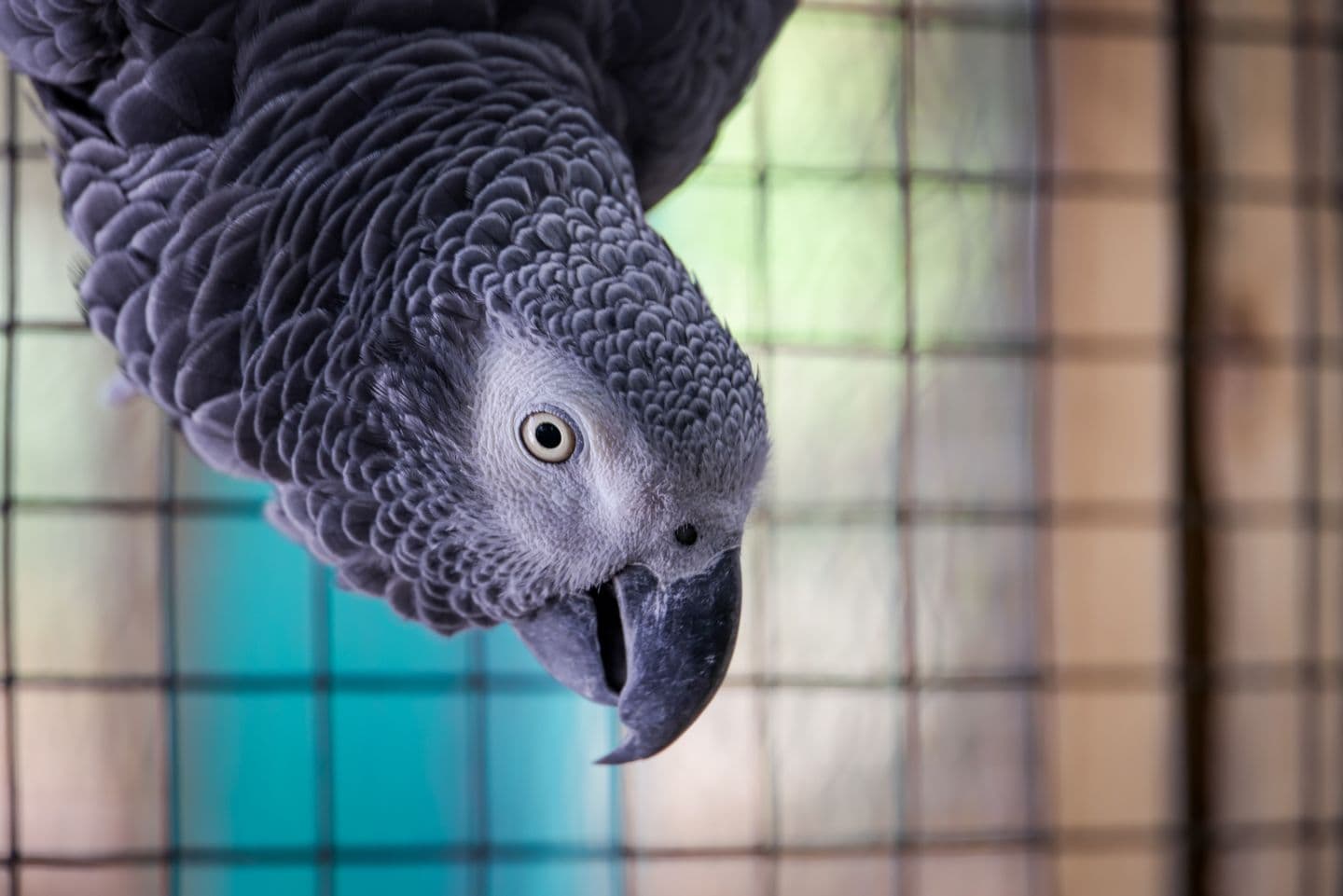
Can Cats and Birds Live Together Safely?
It is possible in many Indian households, but it takes real management, not just hoping for the best.
3 min read
Birds / Breeds
Compact, quiet and genuinely undemanding by parrot standards, the Senegal parrot is one of the most underrated medium-sized companion birds available.
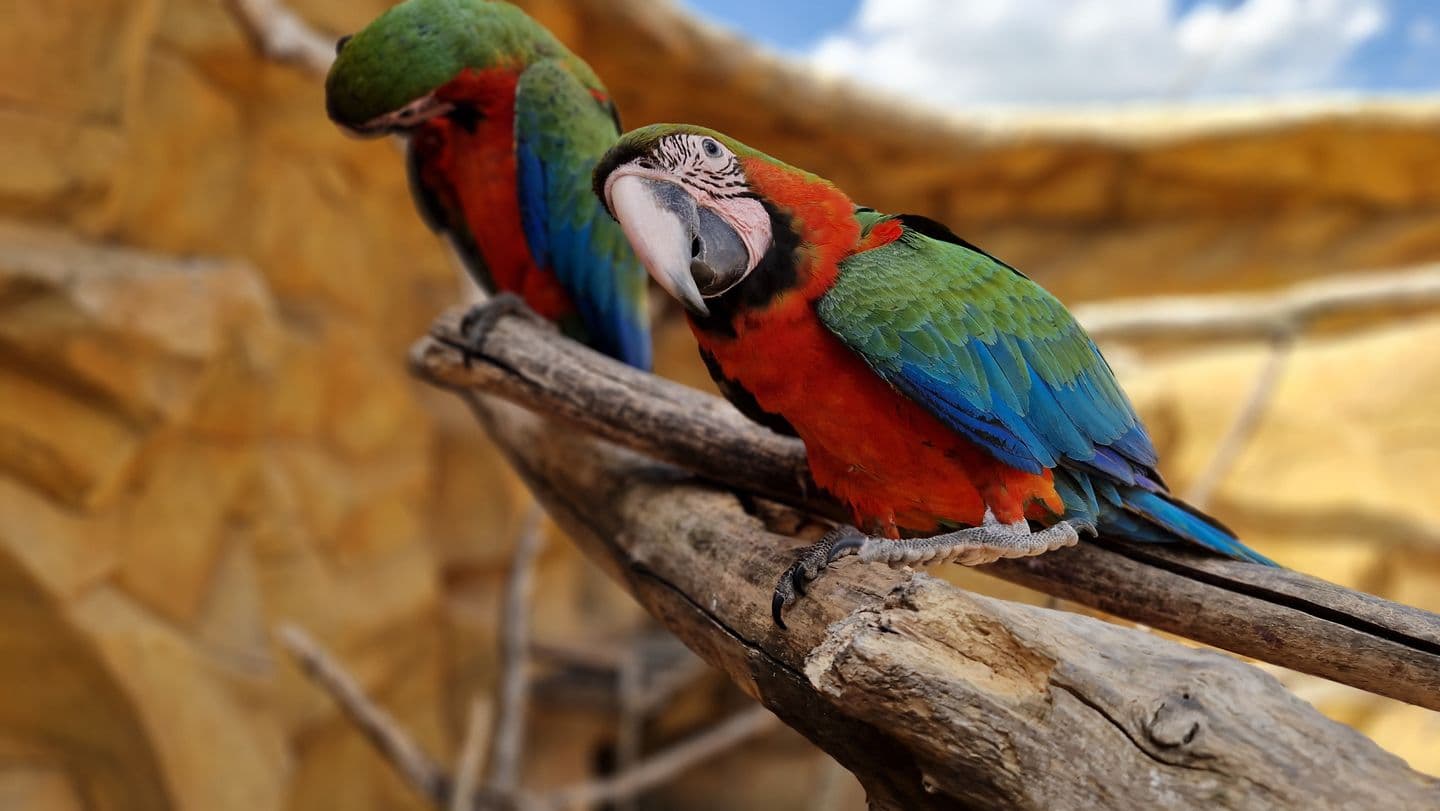
Compact, quiet and genuinely undemanding by parrot standards, the Senegal parrot is one of the most underrated medium-sized companion birds available.
The Senegal parrot is the most popular member of the African Poicephalus family, prized for a calm, quiet temperament packed into a compact, sturdy body. It lacks the flashy colour of some other parrots, but makes up for it with a genuinely manageable, low-drama personality.
Senegal parrots have a charcoal-grey head, green back and wings, and a chest patch ranging from yellow to deep orange depending on the individual. They are intelligent, playful and enjoy hanging, climbing and swinging, often flopping onto their backs in an owner's hand as a sign of trust. Their calls are high-pitched whistles and squawks rather than piercing screams, making them one of the quieter medium parrot choices. Wild-caught Senegal parrots rarely tame down well, so a hand-reared, captive-bred bird is essential for a good companion relationship.
A diet built on quality pellets, fresh fruit and vegetables suits Senegal parrots well. They are not especially prone to obesity compared to some other species, but still benefit from a varied, balanced diet rather than a seed-heavy default.
A cage of at least moderate size, with room to climb and play, along with daily out-of-cage time, suits this species well. Senegal parrots are not sexually dimorphic, meaning males and females look alike, so DNA testing is the only reliable way to determine sex.
Senegal parrots typically live 25 to 30 years, with some individuals reported to exceed 50 years given exceptional lifelong care.
Aspergillosis, a fungal respiratory disease, is one of the main health concerns for this genus, along with Bornavirus, associated with proventricular dilatation disease, which causes weight loss despite normal eating and poorly digested food in droppings. Clean housing, a balanced diet and a low-stress environment reduce the risk of both.
Article content © Ravi Teja. All rights reserved.
Birds / Getting Started
It is possible in many Indian households, but it takes real management, not just hoping for the best.
3 min read
Birds / Health
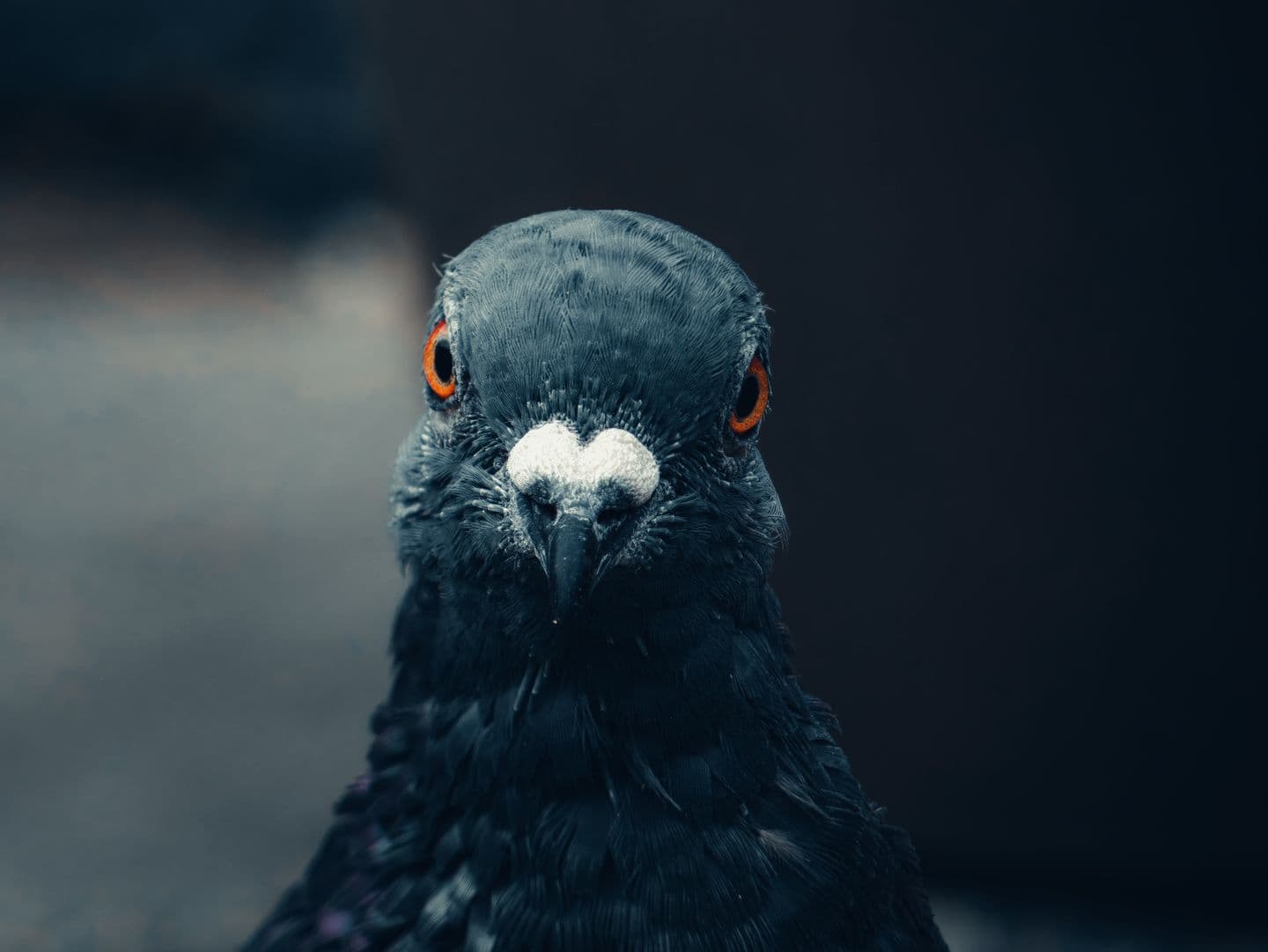
From paratyphoid to a lung condition now worrying doctors in Mumbai and Delhi, here is what every pigeon keeper and balcony feeder in India should know.
4 min read
Birds / Getting Started
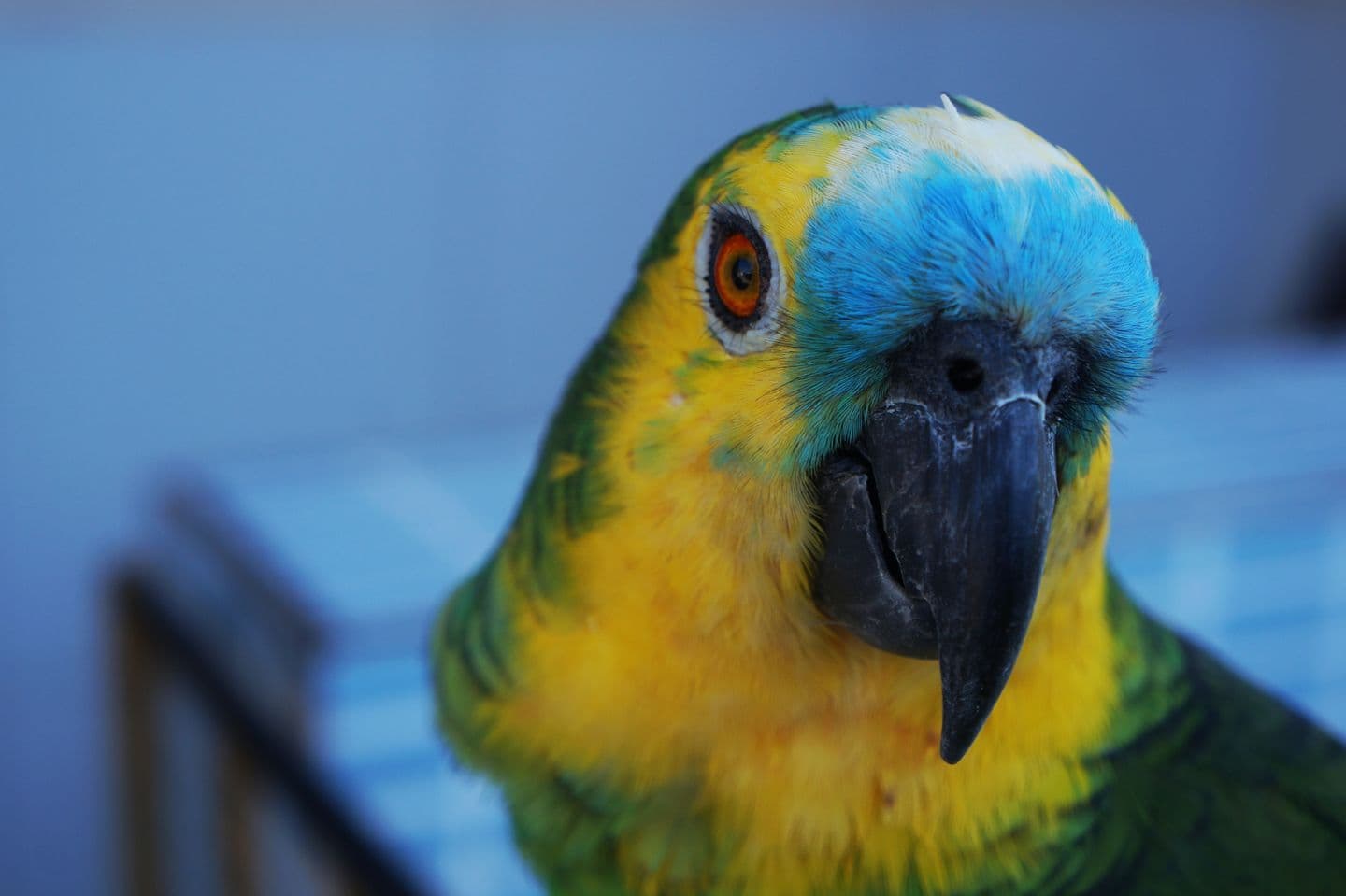
Almost every Indian home has a money plant trailing along a shelf or a tulsi pot on the balcony. Most owners never think twice about it until their bird takes an interested peck, so it is worth knowin
3 min read