
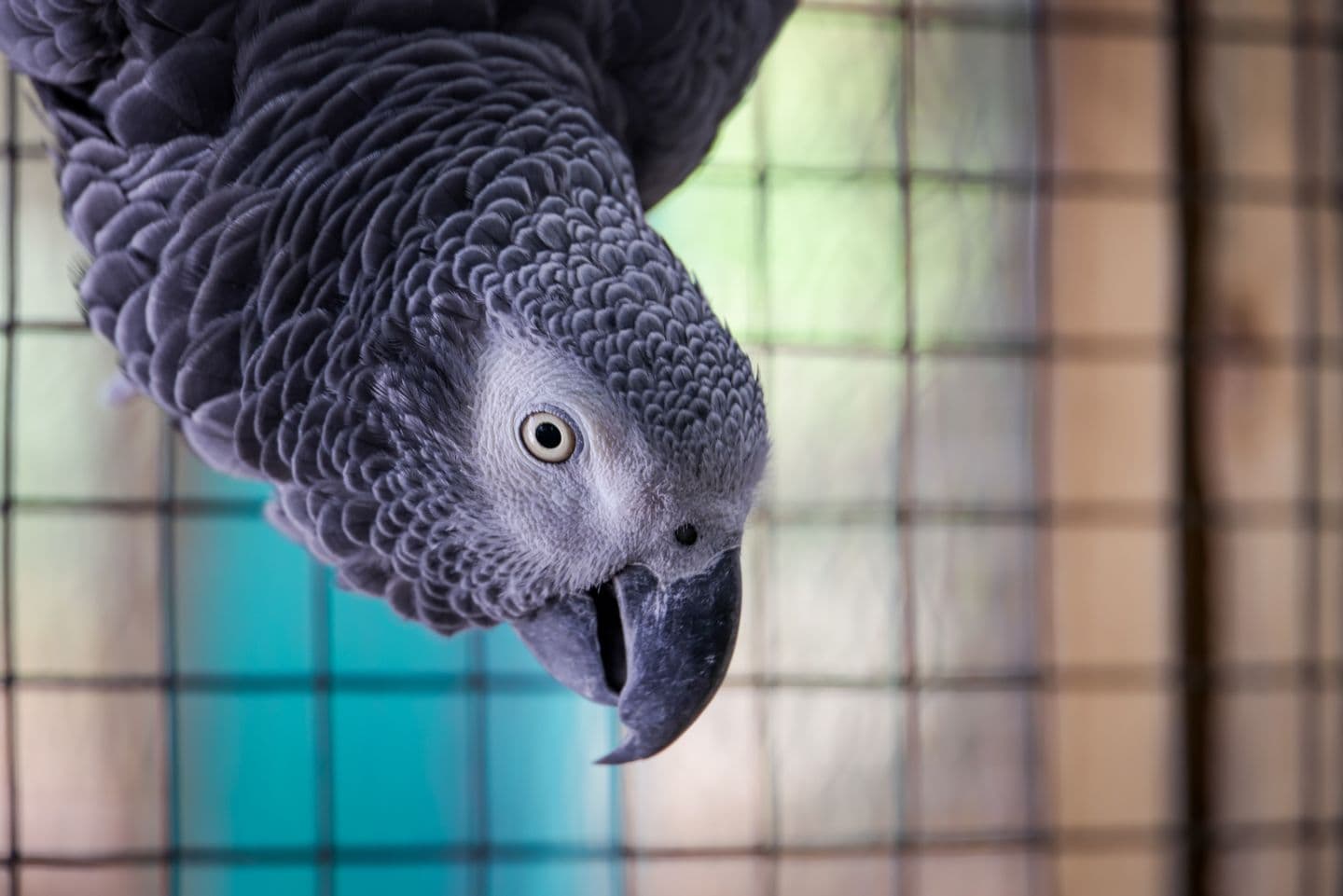
Birds / Getting Started
Can Cats and Birds Live Together Safely?
It is possible in many Indian households, but it takes real management, not just hoping for the best.
3 min read
Birds / Breeds
Few birds announce themselves as boldly as the sun conure, a blaze of orange and yellow with a personality every bit as vivid.
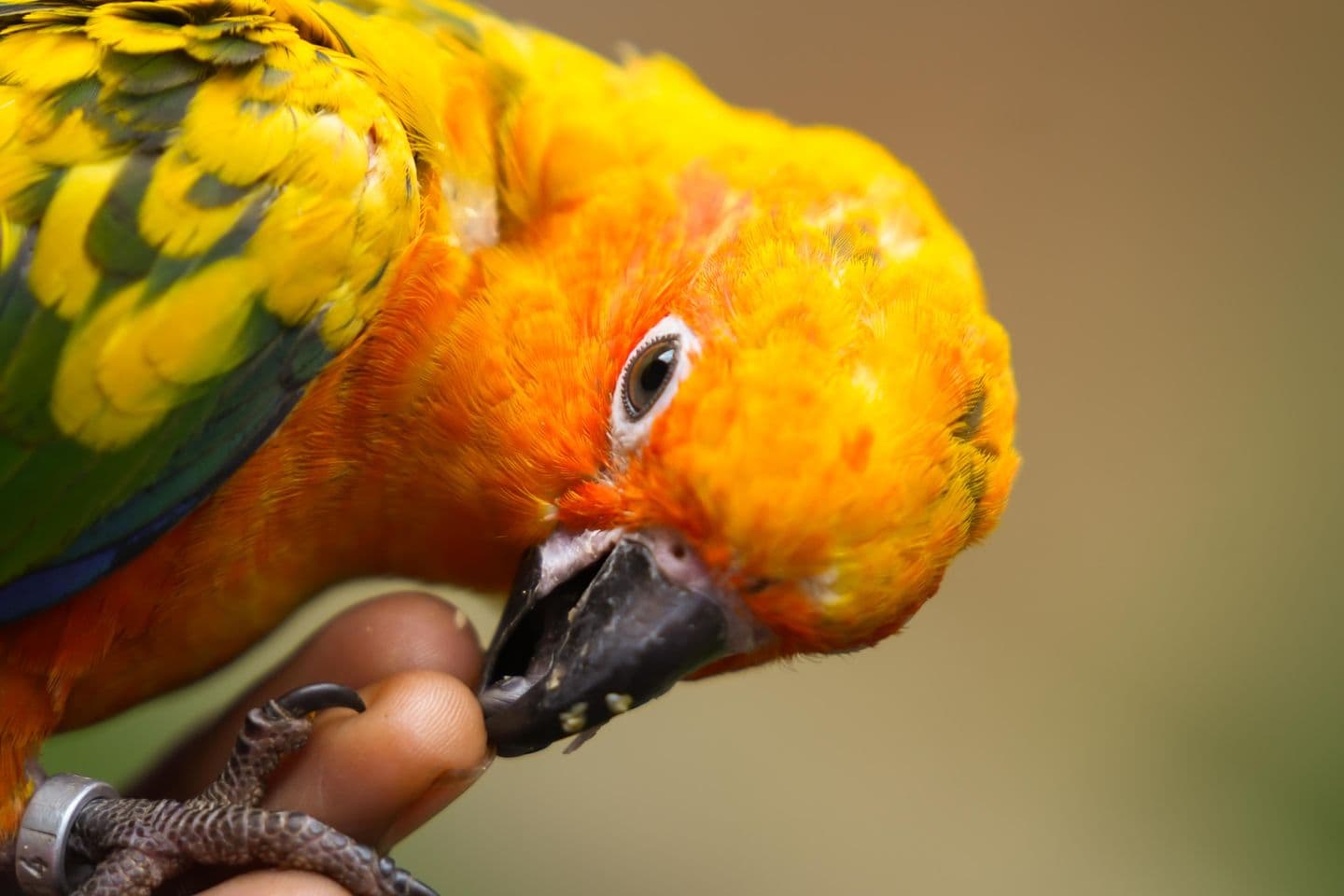
Few birds announce themselves as boldly as the sun conure, a blaze of orange and yellow with a personality every bit as vivid.
The sun conure is one of the most visually striking parrots commonly kept as a pet, its plumage running through vivid orange, yellow and green in a combination that is hard to miss from across a room. That same boldness extends to its personality and its voice, both of which are worth understanding fully before bringing one home.
Native to South America, sun conures are playful, affectionate and highly intelligent, often forming a close bond with their owner and enjoying interactive play. They are also genuinely loud, with a piercing, far-carrying call that makes them a poor fit for apartments or homes with close neighbours, regardless of how appealing their colouring is.
A balanced diet of quality pellets, fresh fruits such as apple, orange, grapes and berries, vegetables including leafy greens, carrots and bell peppers, and nuts in moderation keeps a sun conure in good condition. Salted or flavoured nuts should always be avoided.
Sun conures are active and playful and need a reasonably spacious cage along with daily out-of-cage time for exercise and mental stimulation. They are enthusiastic chewers, so a steady supply of bird-safe chew toys both channels this instinct and protects household items.
With good care, sun conures typically live 15 to 25 years, a genuine multi-decade commitment that is easy to underestimate given how small and affordable this species often is compared to larger parrots.
Sun conures are classified as Endangered across their entire native range by the IUCN, following a very rapid population decline over the past three decades driven by trapping for the pet trade and habitat loss. Some estimates put the number of wild-caught sun conures entering the trade in the hundreds of thousands annually before international trade restrictions tightened, and the species has been effectively wiped out from parts of its former range. Captive-bred individuals are widely and legally available through the pet trade in many countries including India, and choosing a documented, captive-bred bird supports the species rather than the wild-capture pressure that drove its decline in the first place.
A sun conure's call is genuinely one of the loudest sounds a small parrot can produce, often described as piercing rather than simply loud, and it is not something training eliminates entirely, since it is a natural flock communication behaviour. Owners in apartments or shared-wall homes should expect regular calling at dawn, dusk and moments of excitement, and plan for this honestly rather than assuming a well-trained bird will stay consistently quiet. Providing enough daily attention and mental stimulation keeps excess boredom-driven screaming down, but the baseline call volume itself is simply part of owning this species.
Article content © Ravi Teja. All rights reserved.
Birds / Getting Started
It is possible in many Indian households, but it takes real management, not just hoping for the best.
3 min read
Birds / Health
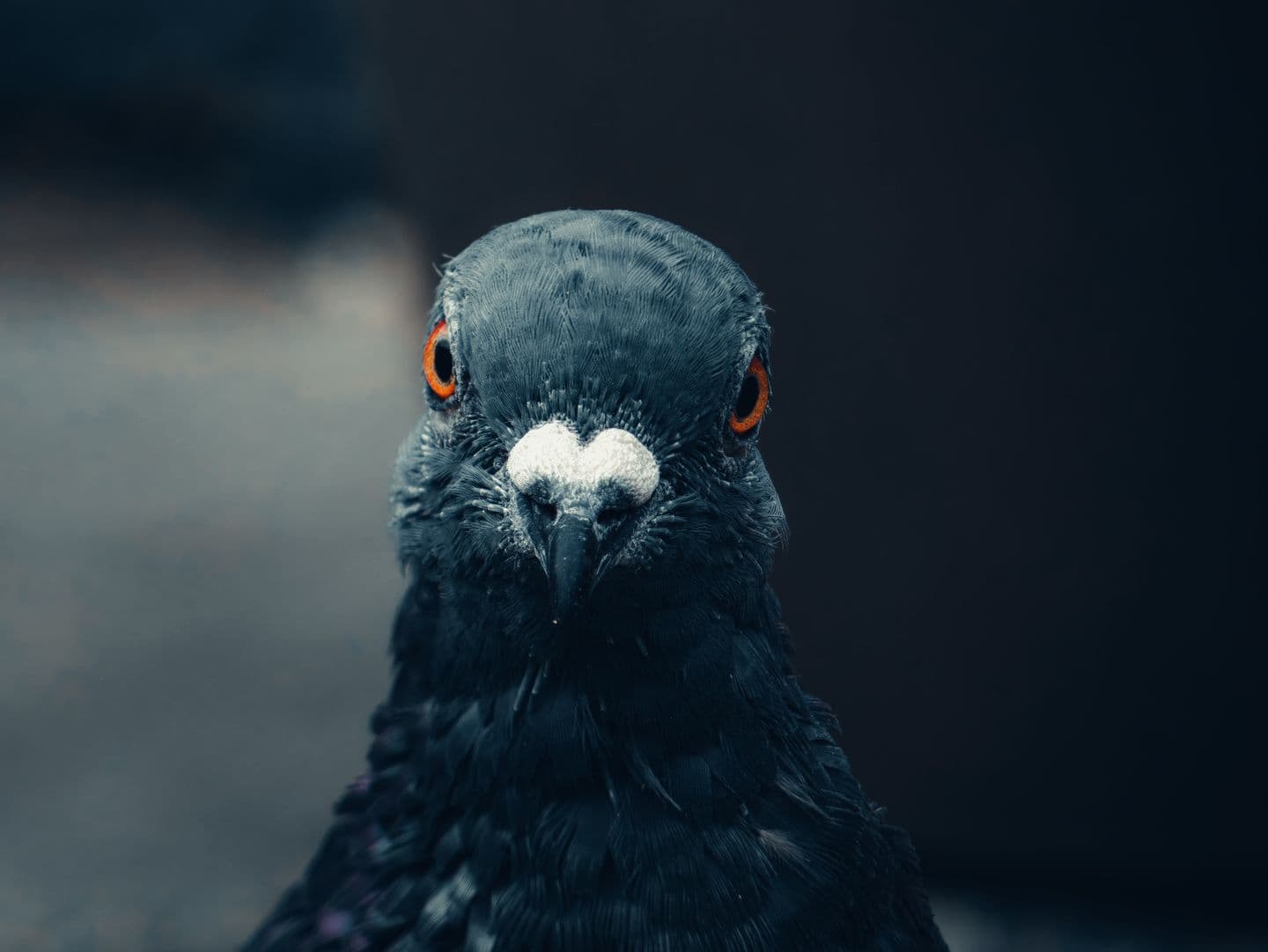
From paratyphoid to a lung condition now worrying doctors in Mumbai and Delhi, here is what every pigeon keeper and balcony feeder in India should know.
4 min read
Birds / Getting Started
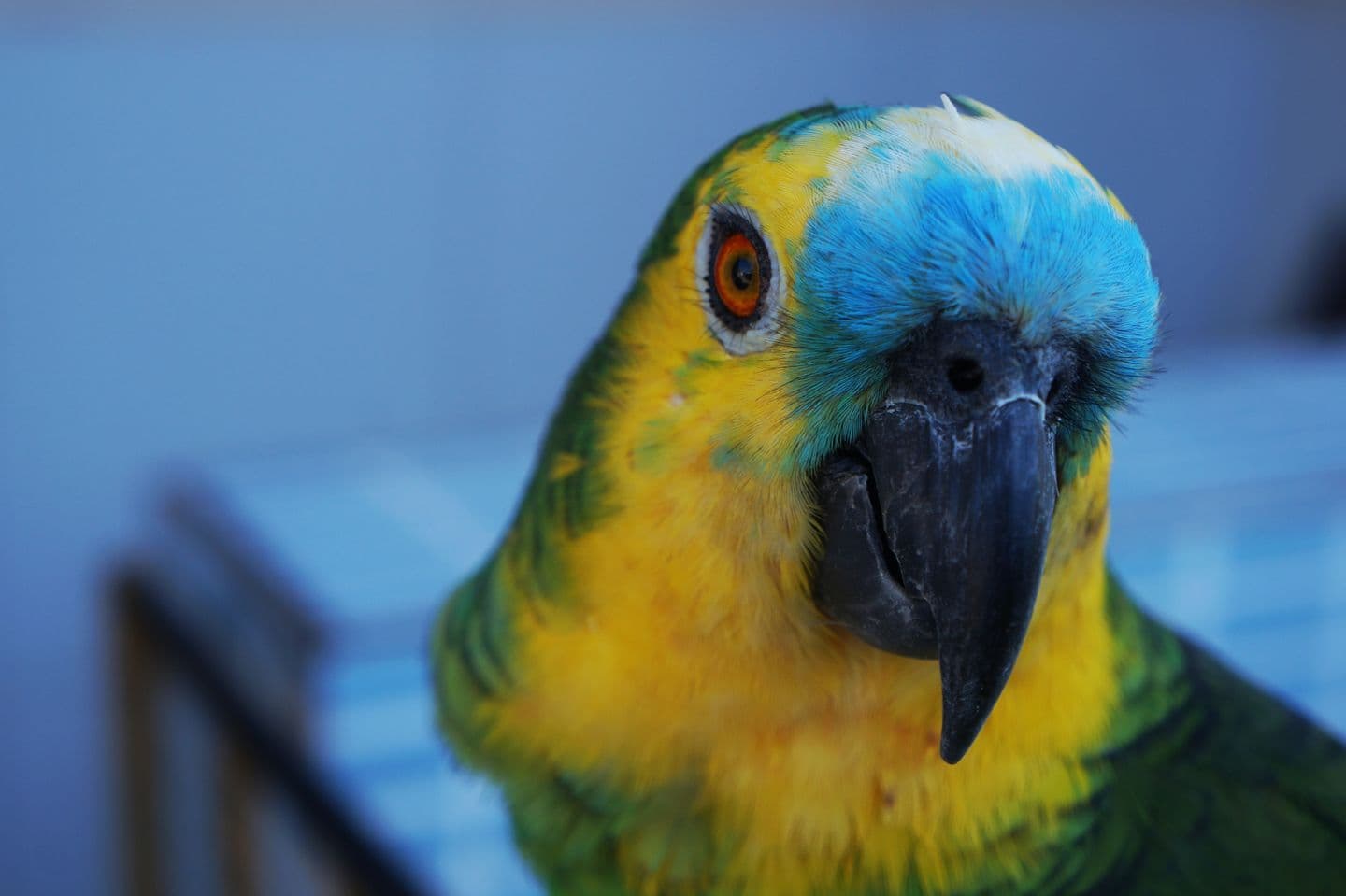
Almost every Indian home has a money plant trailing along a shelf or a tulsi pot on the balcony. Most owners never think twice about it until their bird takes an interested peck, so it is worth knowin
3 min read