Birds / Breeds

Which Pet Bird Species Take to Training Most Easily

Every individual bird has its own personality, but some species are, on the whole, quicker to pick up training, tricks and speech than others. Here is what tends to set the more trainable species apar
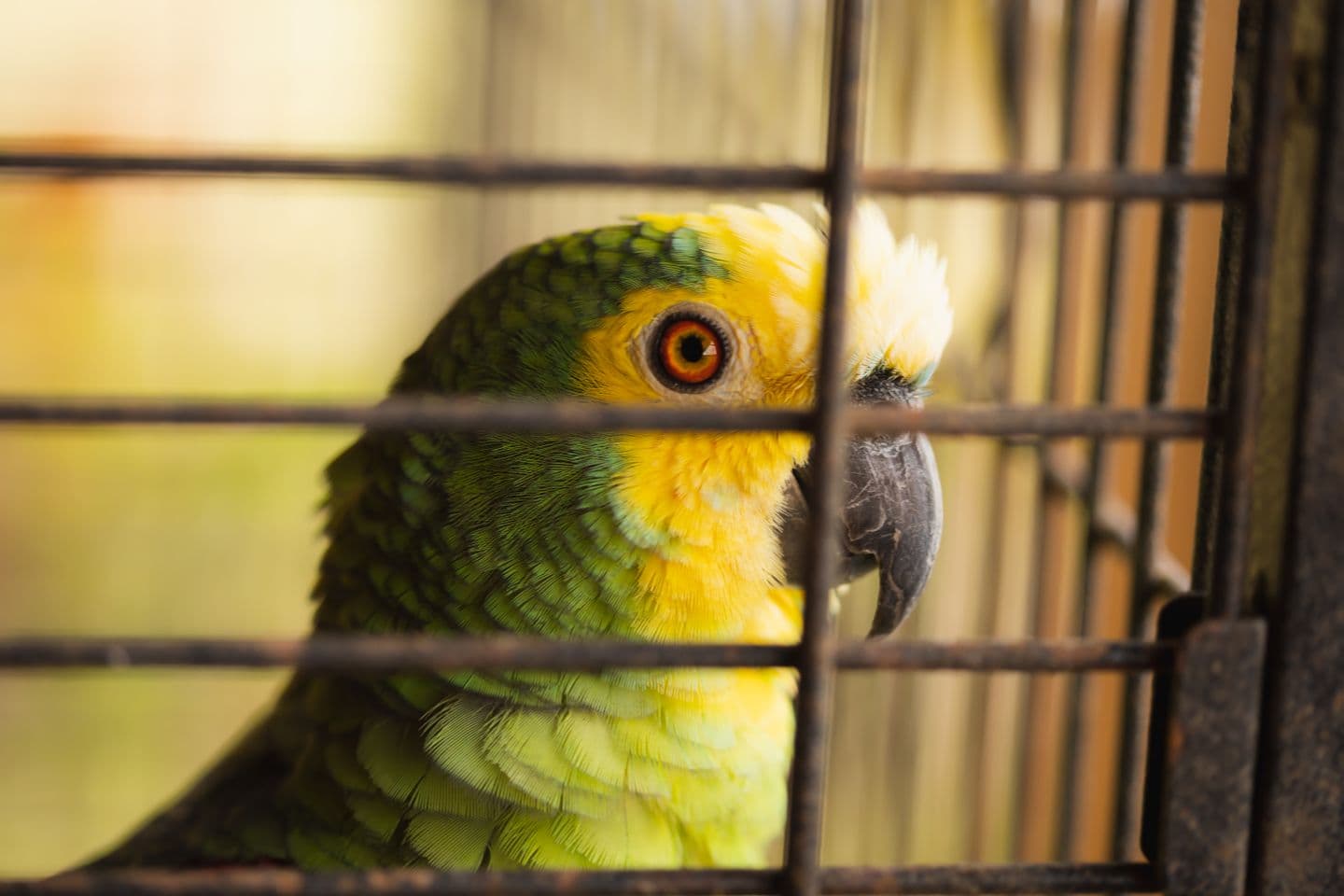
A vibrant green and yellow parrot behind the bars of a cage, expressing curiosity.
Photo by Bruno Mattos on Pexels
In this guide

Every individual bird has its own personality, but some species are, on the whole, quicker to pick up training, tricks and speech than others. Here is what tends to set the more trainable species apart.

What makes a bird easier to train

Trainability generally comes down to a mix of intelligence, sociability and confidence around people. Species that naturally live in large, interactive flocks in the wild tend to transfer that same social instinct to their human household, which makes them more responsive to the back and forth of positive reinforcement training. This is a general pattern rather than a guarantee, since an individual bird's early handling, health and personality matter just as much as its species.

Species commonly noted for trainability

  • Budgerigars: Small, social and surprisingly quick learners, budgies can pick up step up training, simple tricks and a modest vocabulary with regular, patient sessions, making them a good introduction to positive reinforcement training for a first time bird owner.
  • Cockatiels: Gentle and eager to please, cockatiels respond well to whistle and word training and often bond closely with a consistent trainer, though they tend to be better whistlers than talkers.
  • Indian ringneck and Alexandrine parakeets: Both are intelligent, confident learners capable of a fairly wide vocabulary and simple tricks, though owners should note that native Indian populations of these species are protected under the Wildlife Protection Act, so any pet kept legally should already be a registered, captive bred bird rather than one taken from the wild.
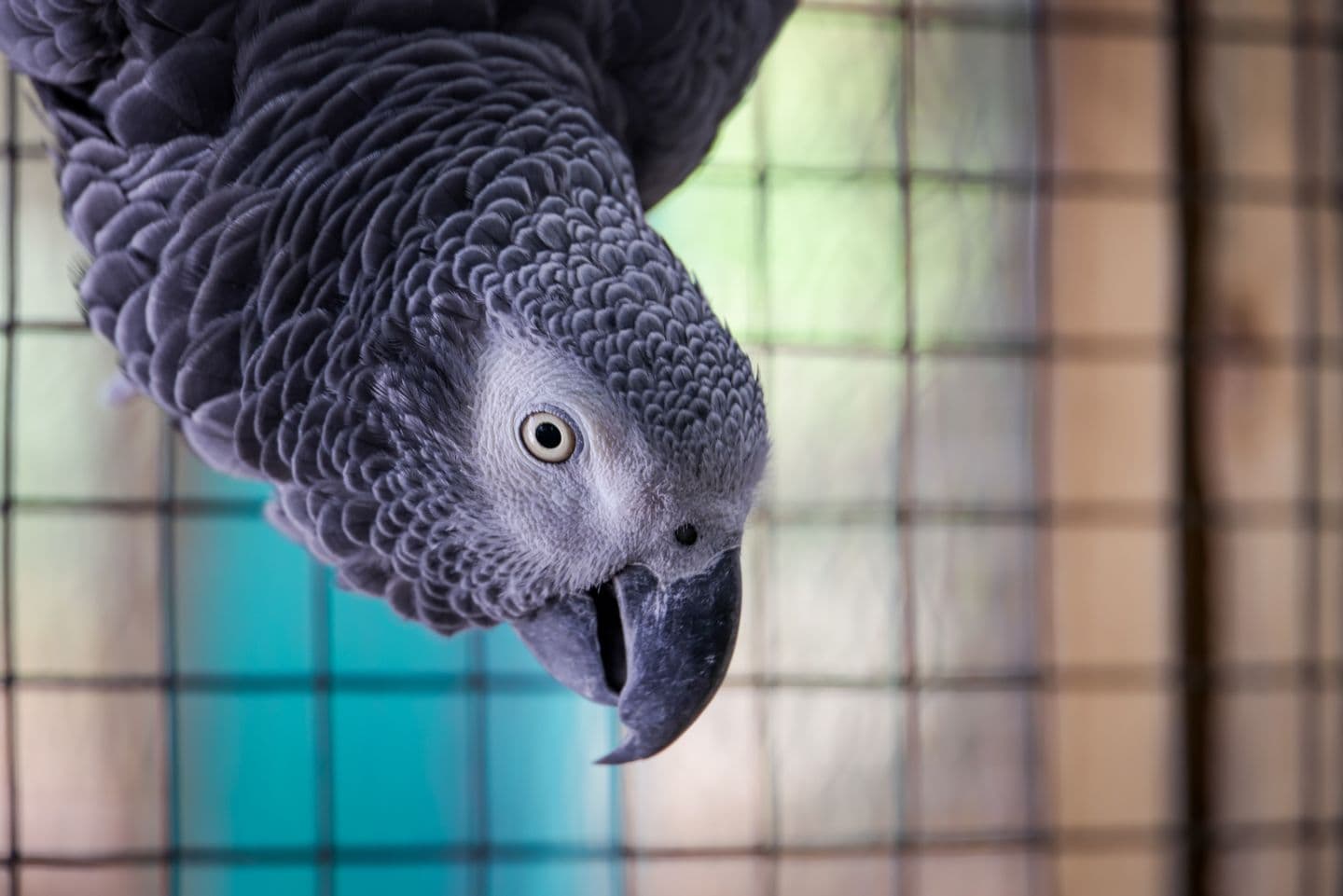
  • African Grey Parrots: Widely regarded as among the most cognitively advanced parrots, capable of extensive vocabulary, problem solving and even basic contextual word use, though this same intelligence means they need consistent mental stimulation and a confident, patient trainer to thrive.
  • Lovebirds: Small but sharp, lovebirds train well for basic commands and simple tricks, though they tend to be less inclined toward speech than the parakeets and greys.
  • Macaws: Large macaws are intelligent, food motivated and capable of learning an impressive range of tricks and words, but their size, strength and long lifespan mean training needs to start early and stay consistent, since an undertrained large macaw can become a genuinely difficult bird to manage.
  • Amazon parrots: Curious, food driven and generally quick to learn tricks and speech, though many Amazons are also prone to louder vocalisation, which is worth factoring into training goals around noise.

Setting a bird up to succeed regardless of species

  • Start young where possible, since younger birds are often more adaptable, though older birds are absolutely capable of learning too, just sometimes at a slower pace.
  • Use short, frequent sessions with high value treats rather than long, tiring ones.
  • Build trust and a genuine bond before expecting focused training, since a nervous or distrustful bird of any species will learn far more slowly than a confident, secure one.
  • Keep training positive throughout, since fear based methods slow learning in every species and can undo weeks of progress in a single bad session.

A note on choosing a species

Trainability is only one part of choosing a bird to share a home with. Noise levels, lifespan, space requirements and the amount of daily interaction a species genuinely needs all matter just as much, and a bird that happens to be very trainable is not automatically the right fit for every household. Species that are calmer or naturally quieter, discussed elsewhere in this series, may suit some homes far better than the most famously clever talkers.

Article content © Ravi Teja. All rights reserved.

A little more to explore.

Vibrant turquoise-fronted amazon parrot with vivid colors and a curious stare.

Birds / Getting Started

Plants That Are Safe to Keep Around Your Pet Bird

Almost every Indian home has a money plant trailing along a shelf or a tulsi pot on the balcony. Most owners never think twice about it until their bird takes an interested peck, so it is worth knowin

3 min read