
Birds / Getting Started
Can Cats and Birds Live Together Safely?
It is possible in many Indian households, but it takes real management, not just hoping for the best.
3 min read
Birds / Breeds
The most popular finch species in the world, prized for being hardy, easy to breed and endlessly busy to watch.
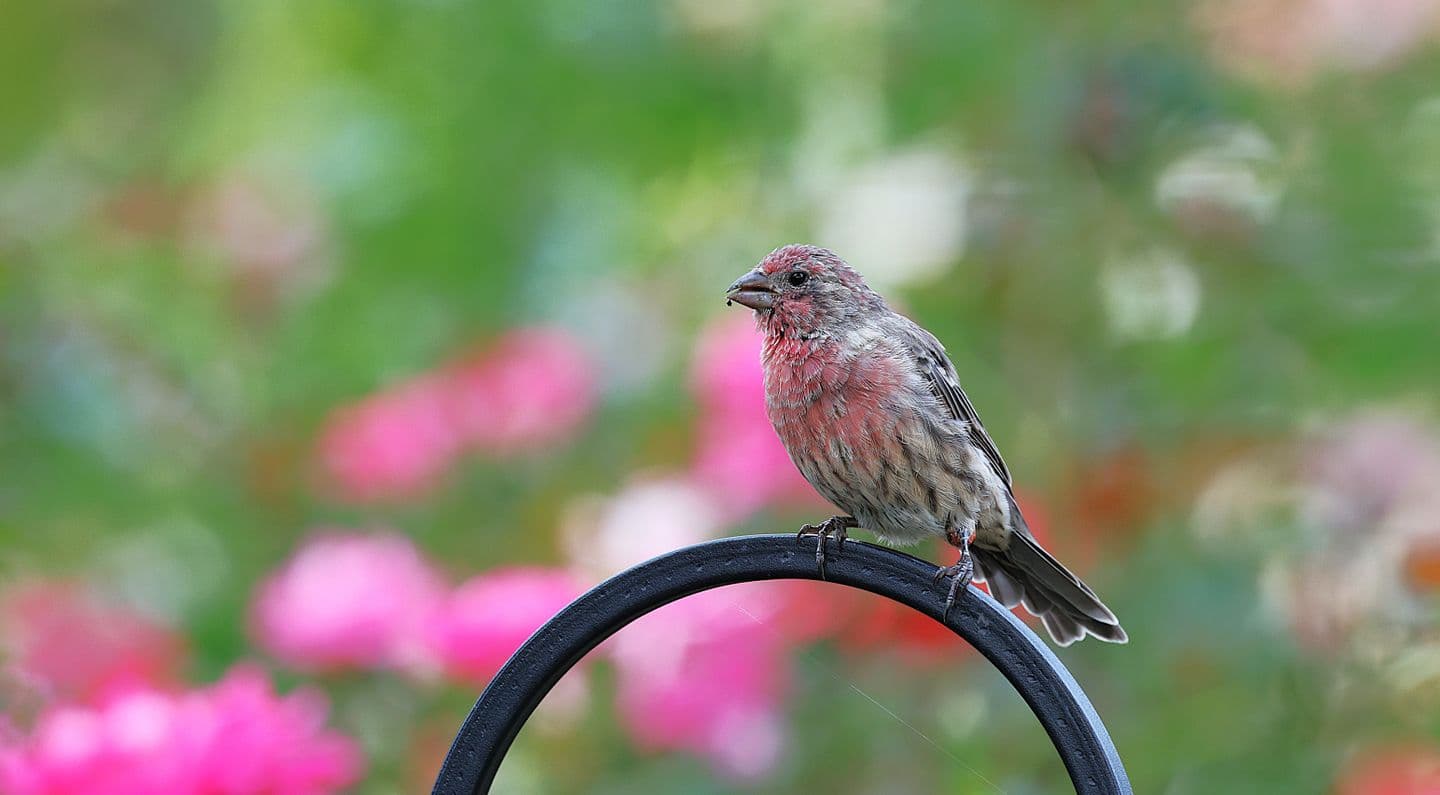
The most popular finch species in the world, prized for being hardy, easy to breed and endlessly busy to watch.
The zebra finch is, by a wide margin, the most commonly kept finch species, thanks to its hardiness, affordability and striking, boldly patterned plumage. Originating from the arid interior of Australia, it has been bred in captivity for over a century and remains an excellent choice for anyone wanting the movement and chatter of a small flock without the handling demands of a parrot.
Wild-type zebra finches have a grey body, orange cheek patches and bold black and white barring on the chest, with selective breeding having produced additional colour varieties including fawn and white. They are highly social, active and vocal, constantly chattering within their flock, and should always be kept with at least one companion rather than alone. Most zebra finches do not want to be handled and are not considered trainable in the way parrots are, though occasionally hand-raised individuals bond closely enough to perch comfortably on a familiar owner.
A pelleted finch diet supplemented with a good seed mix, fresh greens and vegetables, and occasional egg food or live food such as small grubs during breeding, keeps zebra finches in excellent condition. A pot of fresh organic grass in the cage is a natural touch this species particularly enjoys.
A wide flight cage or small aviary with plenty of horizontal space suits zebra finches better than a tall, narrow one. They enjoy toys, particularly tassel-style toys, and appreciate bird-safe plants placed near the cage to recreate a more natural setting.
Zebra finches typically live three to five years, occasionally a little longer with excellent care, a notably shorter lifespan than many other pet birds, which is worth factoring into the decision for households wanting a longer-term companion.
Zebra finches are prolific and enthusiastic breeders, and a mixed-sex pair given a nesting box, or even just enough soft nesting material, will often breed without any deliberate encouragement from the owner. If you are not specifically planning to raise chicks, keeping a same-sex group avoids an unplanned clutch you may not have space or homes for. If breeding does happen, healthy adult zebra finches are generally capable parents, but a consistently high-protein diet during the process supports both the parents and the growing chicks.
Article content © Ravi Teja. All rights reserved.
Birds / Getting Started
It is possible in many Indian households, but it takes real management, not just hoping for the best.
3 min read
Birds / Health
From paratyphoid to a lung condition now worrying doctors in Mumbai and Delhi, here is what every pigeon keeper and balcony feeder in India should know.
4 min read
Birds / Getting Started
Almost every Indian home has a money plant trailing along a shelf or a tulsi pot on the balcony. Most owners never think twice about it until their bird takes an interested peck, so it is worth knowin
3 min read