
Birds / Getting Started
Can Cats and Birds Live Together Safely?
It is possible in many Indian households, but it takes real management, not just hoping for the best.
3 min read
Birds / Getting Started
Birds are among the most impulsively adopted pets and among the most frequently surrendered a few years later. A parakeet at a friend's house looks charming for the ten minutes you spend with it. Livi
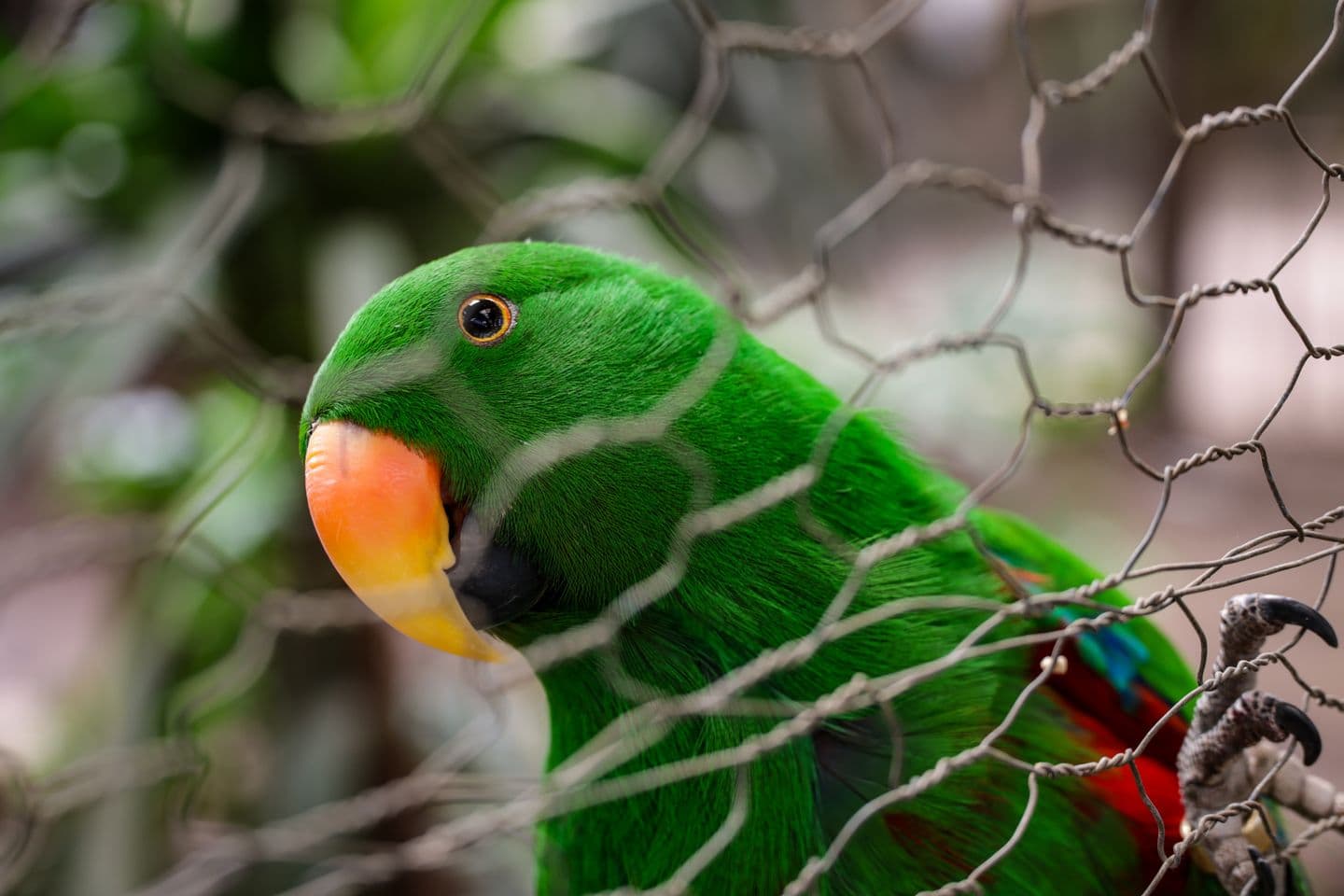
Birds are among the most impulsively adopted pets and among the most frequently surrendered a few years later. A parakeet at a friend's house looks charming for the ten minutes you spend with it. Living with one for the next fifteen years is a different commitment. Before you adopt, it is worth being honest with yourself about a few things.
A budgie typically lives 7 to 15 years with good care, though many live shorter lives when diet and vet care are neglected. A cockatiel often reaches 15 to 20 years. Larger parrots such as African Greys and macaws routinely live 30 to 60 years, and well cared for individuals sometimes live longer still, which means a bird you adopt today could outlive you and needs a plan for who cares for it if that happens. Ask yourself honestly whether your living situation, career plans, and family circumstances can accommodate that kind of horizon, not just the next two years.
Rented apartments in India frequently have unwritten or written restrictions on pets, and even where birds are technically allowed, thin walls and close neighbours make a loud parrot a genuine source of conflict. Cockatiels, conures, and larger parrots can be startlingly loud, especially at dawn and dusk, and this is not training that fully disappears with patience. If you live in a small flat with shared walls, spend time around the species you are considering, ideally at the times of day it tends to be noisiest, before committing.
Existing pets, young children, and other household members all affect whether a bird will thrive. A house with a cat or a dog is not automatically off limits to a bird, but it does mean extra planning around secure caging and supervised time, which we cover separately in this series. Household members with allergies or asthma should be checked too, since bird dander and dust from feathers can trigger respiratory symptoms in sensitive people, something that is often only discovered after the bird is already home.
As covered in the cost breakdown elsewhere in this series, the cage, food, and vet care add up over a bird's lifetime. A bird that seems free or cheap to adopt still needs a proper cage, a nutritious diet, and access to an avian vet for its entire life. If your budget is tight, a smaller, shorter lived species with lower running costs may be the more honest choice than a larger parrot you cannot comfortably support for decades.
India's Wildlife Protection Act restricts ownership of native species, including many parakeets, mynas, and owls, regardless of how commonly they turn up in local pet markets. Exotic species such as budgies, cockatiels, African Greys, and macaws are not native to India and are the species this series generally focuses on, but their import and sale are still governed by rules that a casual seller may not be following correctly. Before you adopt, especially if a bird is being offered informally rather than through an established rescue, ask where it came from. A bird that turns out to be a native, wild caught species is not a straightforward private adoption, and the more responsible route is contacting your state forest department or a registered wildlife rescue rather than taking the bird home yourself.
Birds scatter husks, feathers, and food debris around their cage daily, and most species vocalise, sometimes loudly, as a normal part of being a bird. If you want a low maintenance, quiet pet, a bird, even a small one, may not be the right fit. Species do vary considerably here, so research the specific bird you are considering rather than assuming all pet birds behave the same way.
If you can honestly tick every box, you are in a good position to adopt. If a few feel shaky, it is worth working through them before bringing a bird home rather than after, both for your sake and for the bird's.
Article content © Ravi Teja. All rights reserved.
Birds / Getting Started
It is possible in many Indian households, but it takes real management, not just hoping for the best.
3 min read
Birds / Health
From paratyphoid to a lung condition now worrying doctors in Mumbai and Delhi, here is what every pigeon keeper and balcony feeder in India should know.
4 min read
Birds / Getting Started
Almost every Indian home has a money plant trailing along a shelf or a tulsi pot on the balcony. Most owners never think twice about it until their bird takes an interested peck, so it is worth knowin
3 min read