
Birds / Getting Started
Can Cats and Birds Live Together Safely?
It is possible in many Indian households, but it takes real management, not just hoping for the best.
3 min read
Birds / Getting Started
Parrots in the wild spend hours a day foraging, shredding, and chewing. Store bought toys, especially imported ones, can be expensive in India, but many of the best enrichment toys cost nothing at all
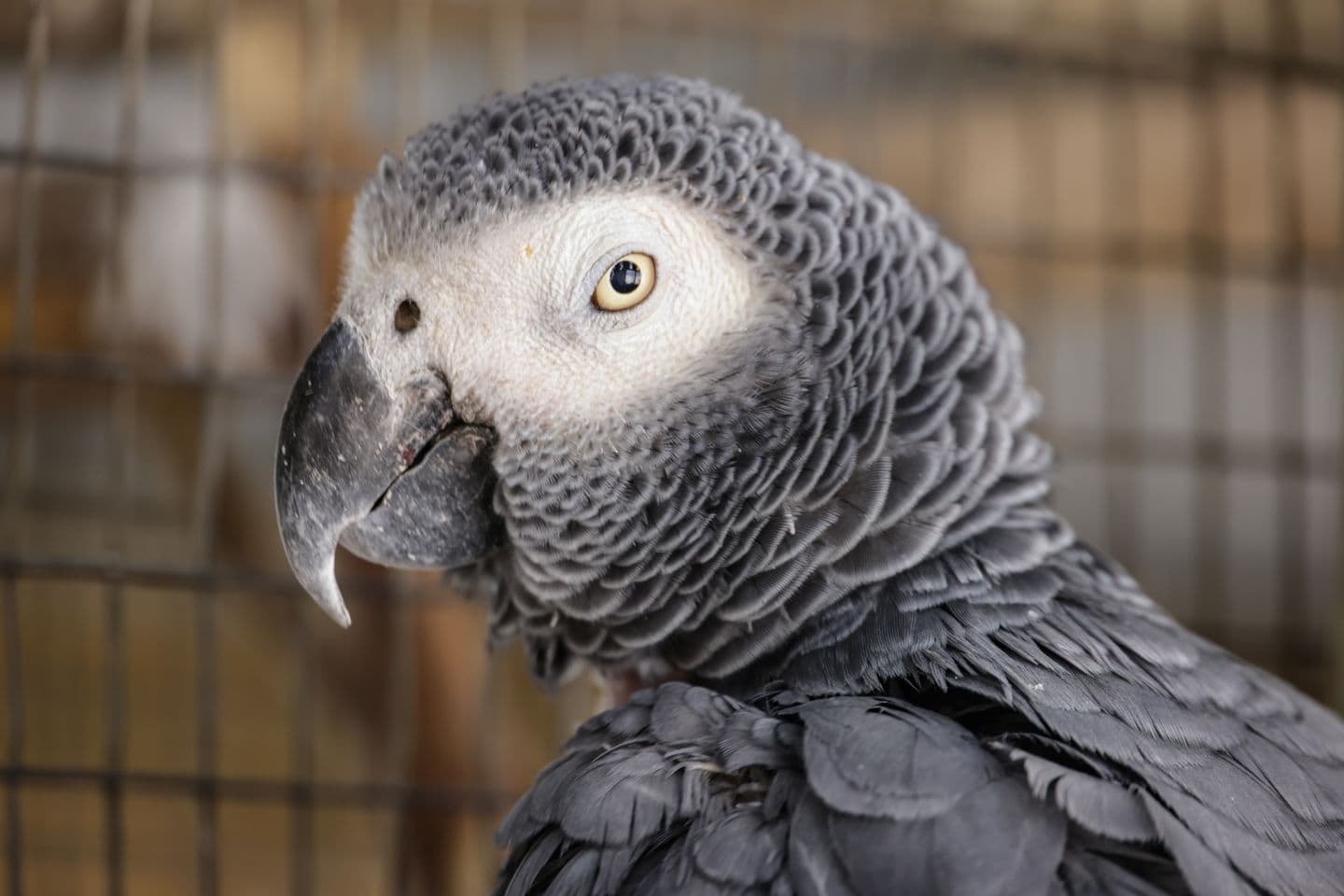
Parrots in the wild spend hours a day foraging, shredding, and chewing. Store bought toys, especially imported ones, can be expensive in India, but many of the best enrichment toys cost nothing at all and can be made from things already lying around most Indian kitchens.
A bored bird is far more likely to develop problem behaviours such as screaming, feather plucking, or biting, so keeping toys varied and rotating them regularly matters as much as having toys at all. Homemade options let you refresh your bird's environment constantly without spending a rupee more than you already do on groceries.
Natural materials such as coconut shell, loofah, and untreated wood are wonderful for enrichment, but India's humid monsoon months make them prone to damp and mould far faster than they would deteriorate in a drier climate. Check homemade toys every few days during humid weather, and remove anything that smells musty, feels damp at the core, or shows dark spotting. Also check regularly for fraying rope, splintered wood, or cracked shell edges, all of which can become sharp or catch a toe, and discard rather than repair anything that shows these signs.
Article content © Ravi Teja. All rights reserved.
Birds / Getting Started
It is possible in many Indian households, but it takes real management, not just hoping for the best.
3 min read
Birds / Health
From paratyphoid to a lung condition now worrying doctors in Mumbai and Delhi, here is what every pigeon keeper and balcony feeder in India should know.
4 min read
Birds / Getting Started
Almost every Indian home has a money plant trailing along a shelf or a tulsi pot on the balcony. Most owners never think twice about it until their bird takes an interested peck, so it is worth knowin
3 min read