
Birds / Getting Started
Can Cats and Birds Live Together Safely?
It is possible in many Indian households, but it takes real management, not just hoping for the best.
3 min read
Birds / Getting Started
Cats and birds can live under the same roof, and some genuinely form an easy, low drama coexistence. But a cat's hunting instinct toward small, fast moving prey is deeply wired, and a careless introdu
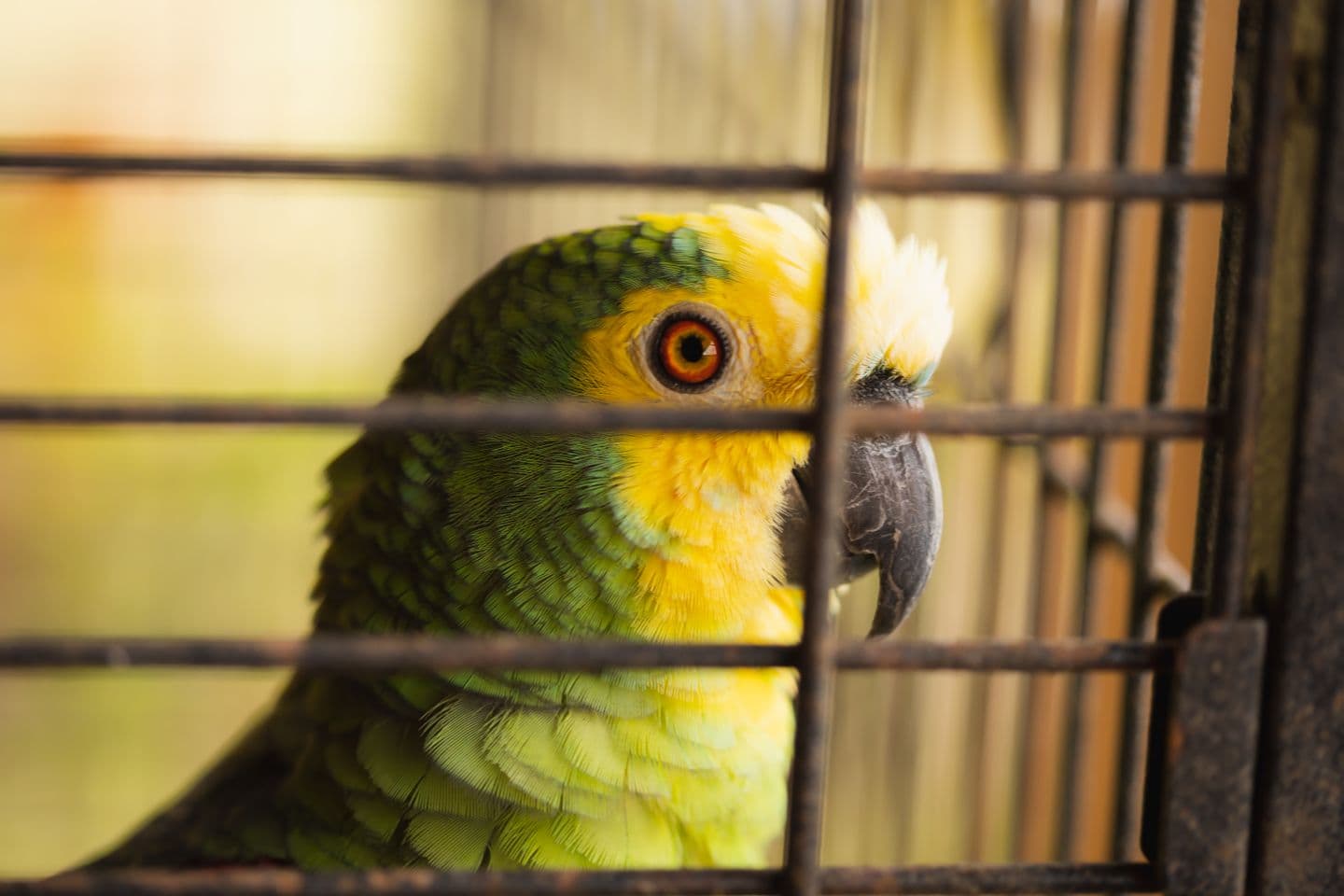
Cats and birds can live under the same roof, and some genuinely form an easy, low drama coexistence. But a cat's hunting instinct toward small, fast moving prey is deeply wired, and a careless introduction can end in serious injury within seconds. Patience here is not optional.
Whichever pet is new to the household, bird or cat, keep them in completely separate rooms for at least two to four weeks at the start. Beyond giving both animals time to settle, this quarantine period also protects against either animal passing on an illness or parasites the other has not been exposed to, which matters more with a new arrival whose health history you may not know fully.
Once the settling in period is over, position the bird's cage somewhere the cat can see it from across the room, not right beside it. Let them simply observe each other like this for several days before decreasing the distance gradually. Watch the cat's body language throughout. A cat that watches with relaxed ears and occasional disinterest is adjusting well. A cat that crouches, stares fixedly, twitches its tail rapidly, or tries repeatedly to get closer to the cage is in full hunting mode and needs more distance and more time, not less.
A cat's paw can reach through wider cage bars and a determined cat can knock over a poorly secured cage entirely. Choose a cage with bar spacing too narrow for a cat's paw to fit through, and make sure the cage sits on a stable, heavy base or is mounted securely so it cannot be tipped. Keep the cage well above the height a cat can reach with a jump, ideally on a stand rather than a low table.
Ten minutes is plenty for an early supervised session with the cat in the same room as the caged bird. If the bird shows signs of stress, rapid breathing, feathers pressed flat, repeated attempts to flee to the far side of the cage, end the session immediately rather than waiting for it to escalate. Reward calm behaviour from the cat with treats or praise so it begins associating the bird's presence with something positive rather than something to chase.
Even cats that appear thoroughly relaxed around a caged bird can revert to instinct the moment the bird is out and moving freely. If you let your bird out for exercise or interaction time, the cat needs to be in a separate room with the door shut, no exceptions. This is not a reflection of how well the introduction has gone. It is simply respecting what a cat is, at its core, built to do.
Some cats and birds do become comfortable enough to be in the same room together under supervision, but true, trustworthy closeness between the two is the exception rather than the rule. If your cat continues to show intense predatory focus after weeks of careful introduction, permanent physical separation with supervised, cage secured time together is a completely reasonable long term arrangement, and by far the safer choice for your bird.
Article content © S Vejay Anand. All rights reserved.
Birds / Getting Started
It is possible in many Indian households, but it takes real management, not just hoping for the best.
3 min read
Birds / Health
From paratyphoid to a lung condition now worrying doctors in Mumbai and Delhi, here is what every pigeon keeper and balcony feeder in India should know.
4 min read
Birds / Getting Started
Almost every Indian home has a money plant trailing along a shelf or a tulsi pot on the balcony. Most owners never think twice about it until their bird takes an interested peck, so it is worth knowin
3 min read