
Birds / Getting Started
Can Cats and Birds Live Together Safely?
It is possible in many Indian households, but it takes real management, not just hoping for the best.
3 min read
Birds / Getting Started
A bird's beak, like a fingernail, grows continuously throughout its life. Most healthy birds wear it down naturally through eating, chewing, and climbing, and never need a trim at all. The question is
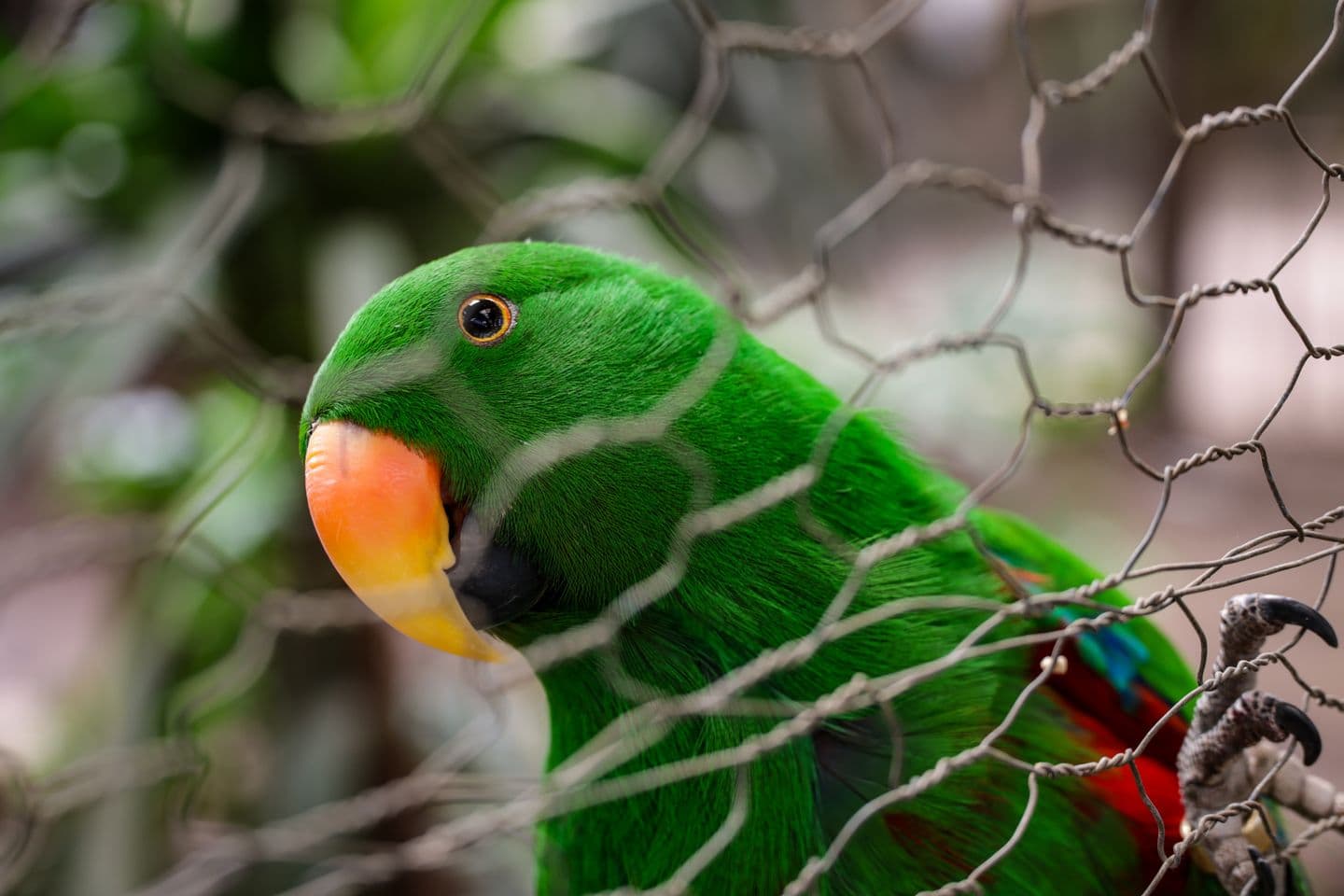
A bird's beak, like a fingernail, grows continuously throughout its life. Most healthy birds wear it down naturally through eating, chewing, and climbing, and never need a trim at all. The question is how to tell the difference between normal wear and a genuine problem.
Routine beak trimming is not something a healthy bird needs on a schedule, unlike nails. A well worn beak should stay a fairly constant length and shape on its own, the tip kept smooth by daily use against food, perches, and toys.
An overgrown beak is often a symptom rather than a simple grooming issue, which is exactly why it should never be treated as a quick fix at home. Common underlying causes include chronic liver disease, frequently linked to an all seed diet that is high in fat, scaly face mites, old injuries to the base of the beak, general malnutrition, and in more serious cases, viral disease such as psittacine beak and feather disease. Because of this, a beak that suddenly starts growing unevenly deserves a proper veterinary look rather than a quick trim to make it look better.
A bird's beak has a much longer blood supply than most owners expect, and this blood supply grows even further forward once the beak is already overgrown. A home trim carries a real risk of causing painful, heavy bleeding. This is a job for an experienced avian vet, usually done with a small motorised grinding tool a little at a time rather than a single cut.
Dedicated avian vets are still concentrated in the larger metros, so if you are in a smaller city, look for a vet with genuine exotic animal experience rather than a general small animal practice, ask local bird clubs and breeders for recommendations, and keep a phone consultation option in mind for urgent questions between visits.
Many first time bird owners are alarmed the first time they hear their bird grinding its upper and lower beak together, usually in the quiet of late afternoon or just before sleep. This is a completely normal, healthy behaviour, not a sign of pain or a beak problem. It happens when a content, relaxed bird is settling down, and it also happens to help condition and wear the beak naturally, so there is no need to intervene when you hear it.
Article content © S Vejay Anand. All rights reserved.
Birds / Getting Started
It is possible in many Indian households, but it takes real management, not just hoping for the best.
3 min read
Birds / Health
From paratyphoid to a lung condition now worrying doctors in Mumbai and Delhi, here is what every pigeon keeper and balcony feeder in India should know.
4 min read
Birds / Getting Started
Almost every Indian home has a money plant trailing along a shelf or a tulsi pot on the balcony. Most owners never think twice about it until their bird takes an interested peck, so it is worth knowin
3 min read