
Birds / Getting Started
Can Cats and Birds Live Together Safely?
It is possible in many Indian households, but it takes real management, not just hoping for the best.
3 min read
Birds / Getting Started
There is a real difference between a bird choosing to step onto your hand and a bird that needs to be physically held still, for example for a nail trim, a quick health check, or an unplanned vet visi
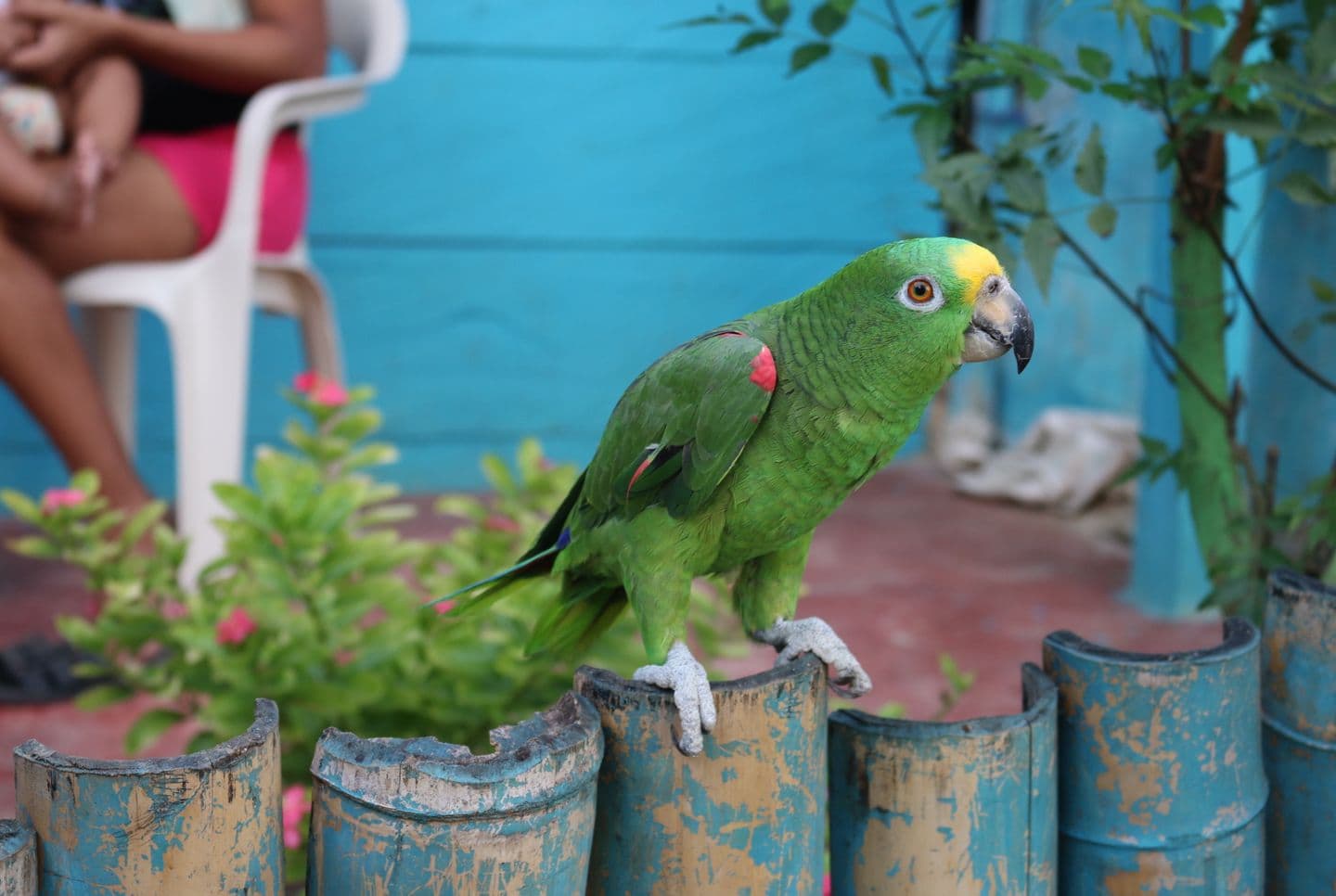
There is a real difference between a bird choosing to step onto your hand and a bird that needs to be physically held still, for example for a nail trim, a quick health check, or an unplanned vet visit. Both deserve a gentle, correct technique.
For situations like a nail trim, a beak check, or getting a frightened bird back into its carrier, a towel is the safest tool available, for the bird and for you. It gives you a larger surface to work with than bare hands, reduces the risk of a bite, and helps the bird feel more secure by limiting its view.
A bird that has never seen a towel before an emergency is far more likely to panic. Many experienced owners get their bird comfortable with a towel long before it is actually needed, by leaving one near the cage to explore, playing gentle games with it, and rewarding calm curiosity, so that if restraint is ever needed for real, it is far less frightening for everyone involved.
Finches, canaries, and other small, delicate birds need an even gentler approach than parrots. Rather than the full towel wrap, many handlers use what is sometimes called a light hand hold: the head supported between the thumb and index finger, with the rest of the hand cupped loosely around the body rather than gripping it. These birds have far more fragile, lightweight bones relative to their size than parrots, so the priority is a secure but genuinely feather-light hold, and sessions should be kept as brief as possible.
Article content © Ravi Teja. All rights reserved.
Birds / Getting Started
It is possible in many Indian households, but it takes real management, not just hoping for the best.
3 min read
Birds / Health
From paratyphoid to a lung condition now worrying doctors in Mumbai and Delhi, here is what every pigeon keeper and balcony feeder in India should know.
4 min read
Birds / Getting Started
Almost every Indian home has a money plant trailing along a shelf or a tulsi pot on the balcony. Most owners never think twice about it until their bird takes an interested peck, so it is worth knowin
3 min read