
Birds / Getting Started
Can Cats and Birds Live Together Safely?
It is possible in many Indian households, but it takes real management, not just hoping for the best.
3 min read
Birds / Getting Started
Persistent itching, ragged feathers or restless nights can point to parasites. Here is how to spot them and what to do next.
Persistent itching, ragged feathers or restless nights can point to parasites. Here is how to spot them and what to do next.
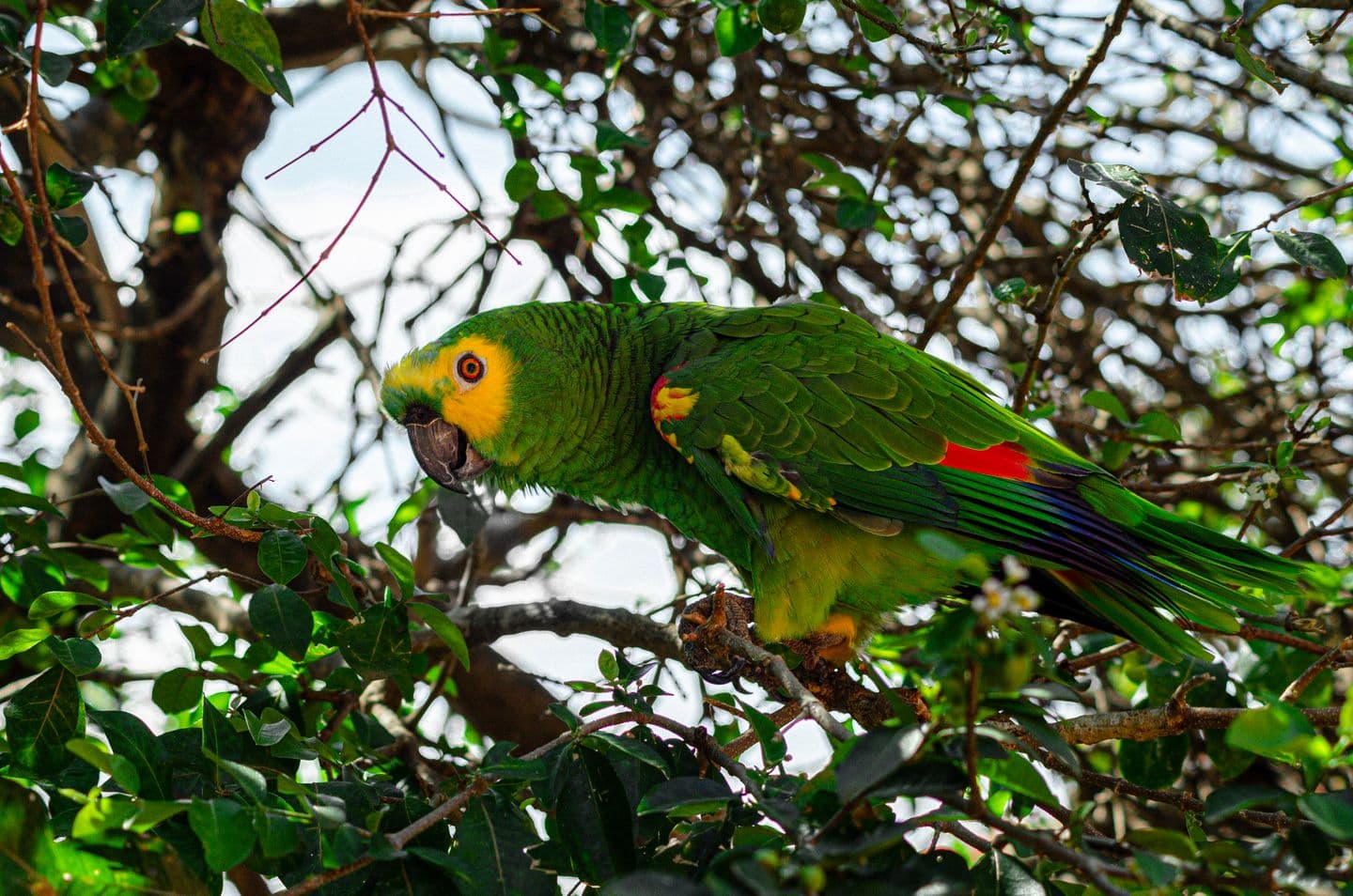
Lice and mites are less common in well-kept indoor pet birds than in outdoor aviary birds, but both can affect any pet bird, particularly one that has had contact with wild birds, a new unquarantined bird, or an aviary environment. Catching an infestation early makes treatment considerably easier and prevents the more serious complications that come with a heavy, prolonged infestation.
Resist the temptation to reach for a home remedy or an over-the-counter pesticide product without guidance. Many products marketed for other pets are dangerous for birds, and even bird-labelled products can be harmful if the species or dosage is wrong. The right first step is an avian vet visit, where a physical examination and sometimes a feather or skin scraping will confirm what you are dealing with and lead to an appropriately dosed treatment, commonly ivermectin or another vet-prescribed antiparasitic.
Mites and lice do not live only on the bird, they can also persist in cages, perches and surrounding surfaces, so treatment is incomplete without a thorough clean of the cage, perches and any wooden fixtures using a bird-safe disinfectant. If you keep more than one bird, assume the whole group needs checking, since these parasites spread readily between birds sharing a cage or aviary.
Article content © Ravi Teja. All rights reserved.
Birds / Getting Started
It is possible in many Indian households, but it takes real management, not just hoping for the best.
3 min read
Birds / Health
From paratyphoid to a lung condition now worrying doctors in Mumbai and Delhi, here is what every pigeon keeper and balcony feeder in India should know.
4 min read
Birds / Getting Started
Almost every Indian home has a money plant trailing along a shelf or a tulsi pot on the balcony. Most owners never think twice about it until their bird takes an interested peck, so it is worth knowin
3 min read