
Birds / Getting Started
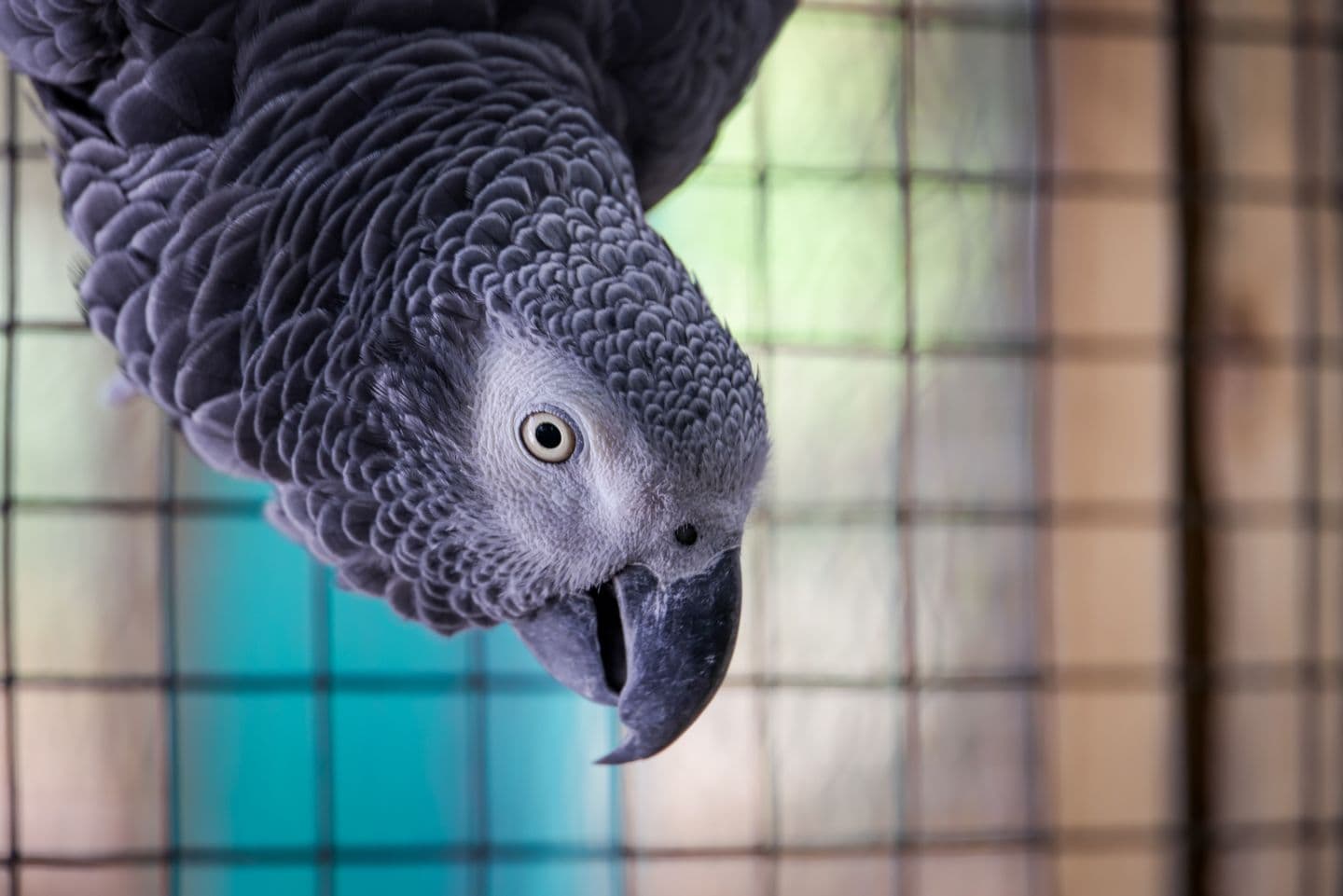
Can Cats and Birds Live Together Safely?
It is possible in many Indian households, but it takes real management, not just hoping for the best.
3 min read
Birds / Getting Started
Wild parrots spend most of their waking hours foraging, problem solving, and interacting with a flock. A pet bird sitting in front of a food bowl with nothing else to do is missing almost all of that,
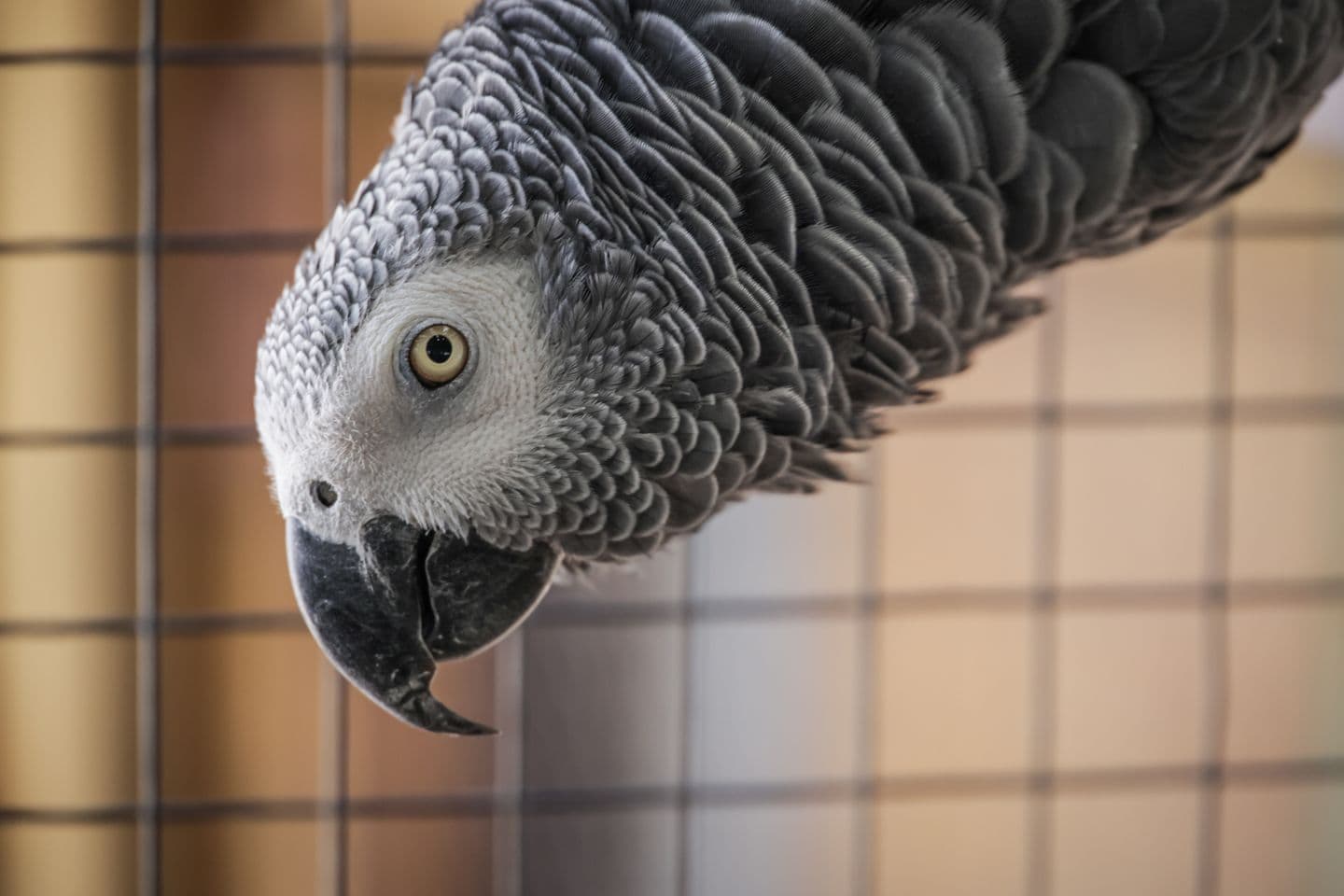
Wild parrots spend most of their waking hours foraging, problem solving, and interacting with a flock. A pet bird sitting in front of a food bowl with nothing else to do is missing almost all of that, and boredom is one of the most common root causes of screaming, feather plucking, and destructive chewing at home.
In the wild, finding food is a full time job that involves searching, manipulating, and working for every mouthful. A bowl that refills itself removes that entire occupation, which is a big part of why simply hiding food, rather than serving it in a dish, does more for a bird's daily engagement than almost any single toy.
Excessive screaming, feather plucking, chewing on cage bars or furniture beyond normal exploration, and repetitive pacing or head bobbing are all signals that a bird's day needs more built into it. Since these same signs can also point to pain or illness, it is worth ruling out a medical cause with a vet if boredom fixes do not bring improvement within a couple of weeks.
A short foraging session or a fresh toy every day does more for a bird's wellbeing than one expensive toy purchased occasionally. Most of the ideas above cost little more than what most Indian kitchens already have on hand, which makes daily variety genuinely achievable rather than a chore.
With more Indian professionals working from home some days and commuting into an office on others, birds often face inconsistent company, which can be more unsettling than a steady routine either way. Leaving a radio or soft music playing at a low volume during long absences can ease the silence, and a foraging toy set out just before you leave gives your bird something to work on through the quiet hours. If your schedule allows, a short video call or a voice note played back mid-day, for birds already used to hearing your voice this way, can also help bridge a long stretch alone.
Article content © S Vejay Anand. All rights reserved.
Birds / Getting Started
It is possible in many Indian households, but it takes real management, not just hoping for the best.
3 min read
Birds / Health
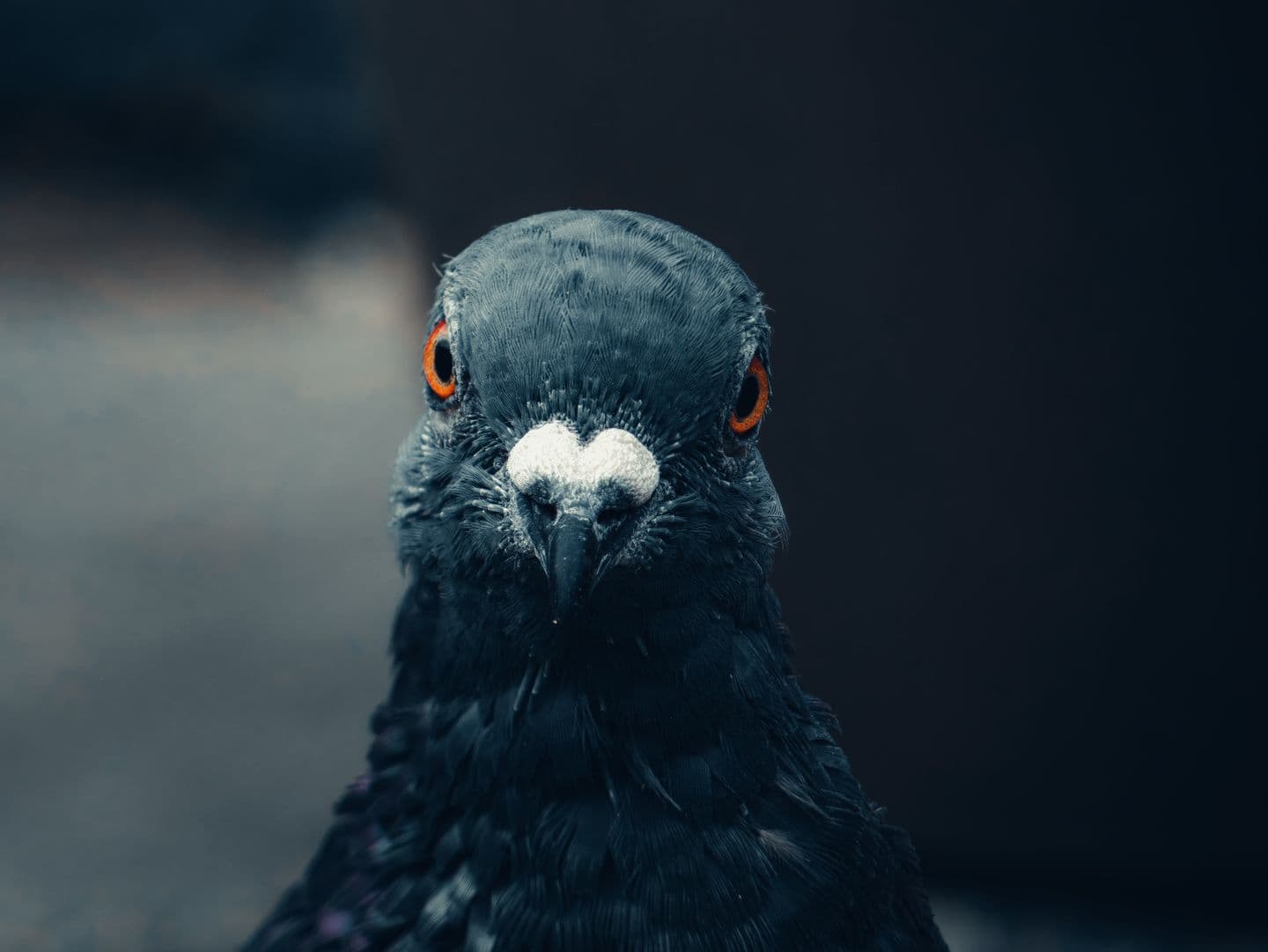
From paratyphoid to a lung condition now worrying doctors in Mumbai and Delhi, here is what every pigeon keeper and balcony feeder in India should know.
4 min read
Birds / Getting Started
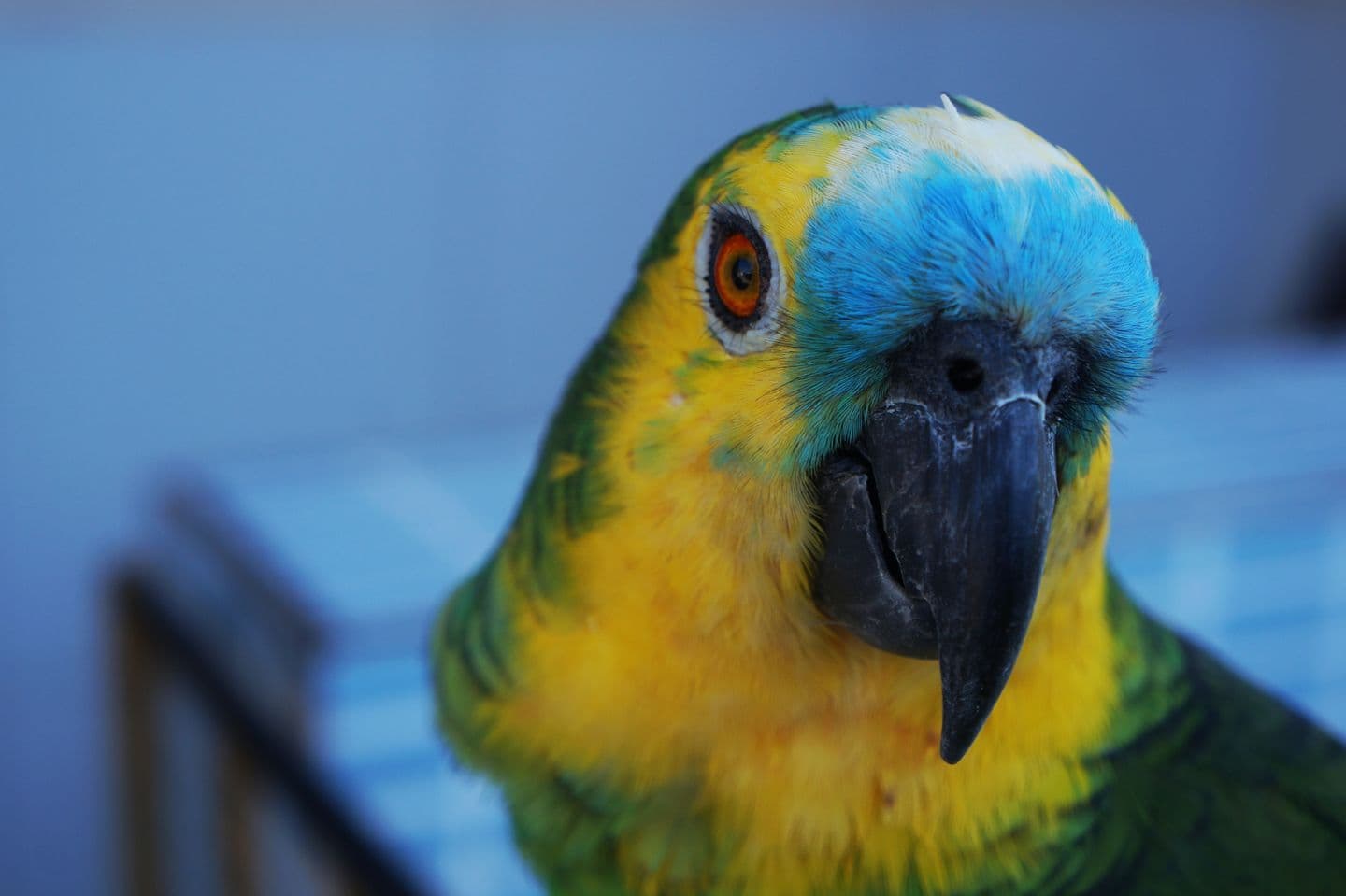
Almost every Indian home has a money plant trailing along a shelf or a tulsi pot on the balcony. Most owners never think twice about it until their bird takes an interested peck, so it is worth knowin
3 min read