
Birds / Getting Started
Can Cats and Birds Live Together Safely?
It is possible in many Indian households, but it takes real management, not just hoping for the best.
3 min read
Birds / Getting Started
Sometimes circumstances change and a bird needs a new home. A move to a place that does not allow pets, a health issue, a family emergency, or simply realising the commitment was more than you can sus
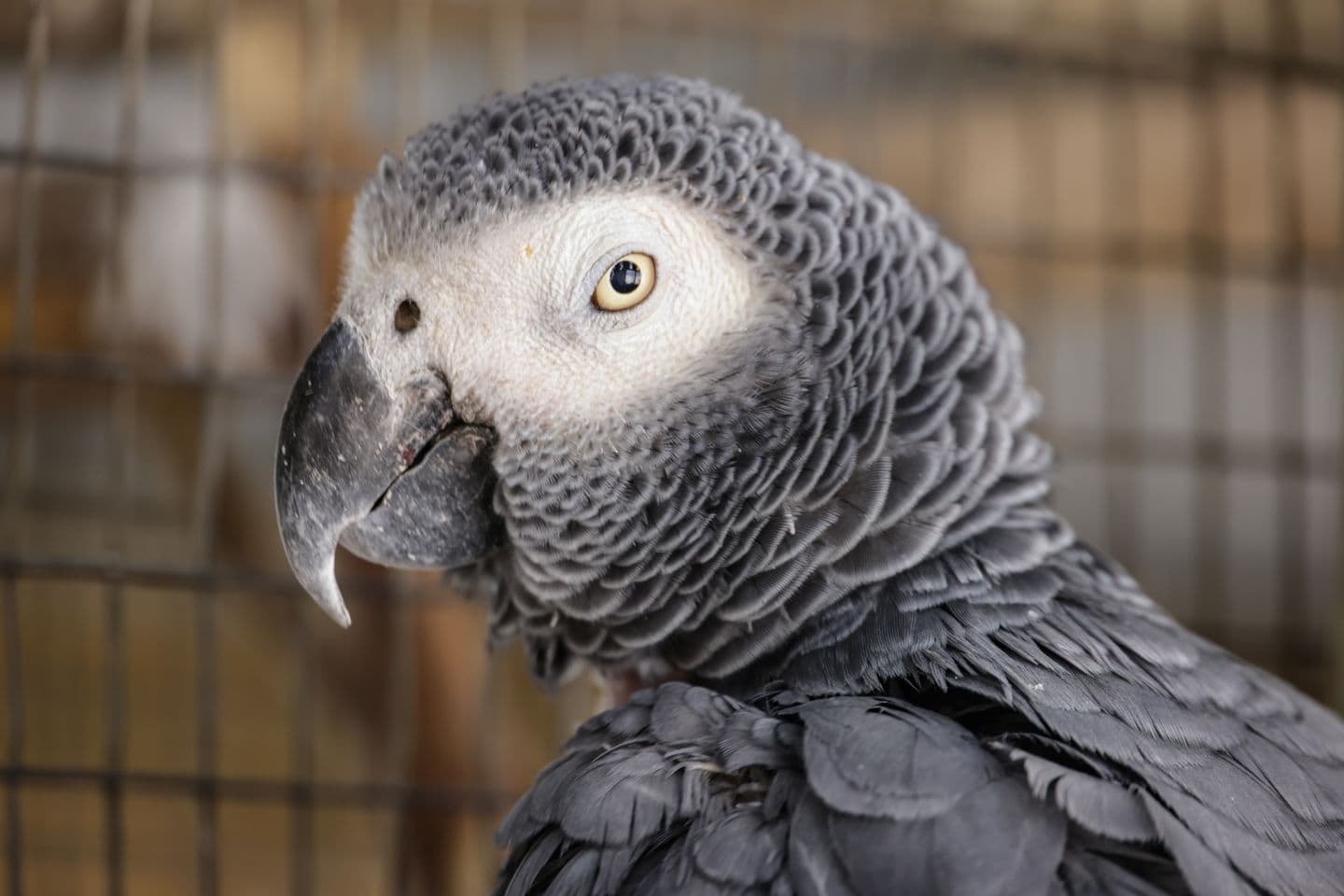
Sometimes circumstances change and a bird needs a new home. A move to a place that does not allow pets, a health issue, a family emergency, or simply realising the commitment was more than you can sustain are all real reasons this happens, and none of them make you a bad owner. What matters is doing the rehoming process carefully, so the bird lands somewhere it will genuinely be cared for.
Everything below applies to a legally kept exotic pet bird, such as a budgie, cockatiel, lovebird, or larger parrot, being passed on to a new owner. It does not apply if the bird is a native Indian species, such as a rose ringed parakeet, a myna, or an owl, particularly one that came to you as a rescue rather than a purchase. Native species are protected under the Wildlife Protection Act, and the responsible next step for one of these birds is your state forest department or a registered wildlife rescue organisation, not a private rehoming to whoever is willing to take it. If you are unsure which category your bird falls into, an avian vet or a local wildlife rescue can usually tell you quickly.
Handing a bird to the first person who shows interest, or to a shop that will simply resell it, is the fastest way to lose track of whether it ends up somewhere safe. Take the time to vet a new owner the way a good rescue would vet you, by asking about their living situation, their experience with birds, and their reasons for wanting one.
Family members, close friends, or people who have spent real time around your bird and its particular temperament are often the safest first option, because they already understand what they are taking on. If that is not possible, your regular avian vet is frequently a useful resource, since many avian vets in Indian cities keep informal networks of clients looking to adopt and can make a careful match rather than a random one.
India has an active, if scattered, community of bird keepers on platforms such as Facebook groups dedicated to parrots, budgies, or a specific city's pet owners, along with forums on sites like IndiaMike's pets section. These communities are useful precisely because members tend to ask each other pointed questions about cage size, diet, and experience before facilitating a rehoming, which weeds out casual or unprepared takers.
Several city based helplines and NGOs across India handle bird cases, including surrendered pet birds alongside injured wild ones. Mumbai, for instance, has dedicated bird helplines that coordinate pickups and can sometimes advise on or assist with rehoming a pet bird responsibly. Search for the animal or bird helpline active in your specific city, since coverage and services vary widely by location, and confirm with them directly whether they handle pet bird rehoming or only wildlife rescue, as the two are often treated separately.
Wherever possible, arrange an in person meeting between the bird and the prospective new owner before finalising anything. Watch how the person handles the bird and how the bird reacts. A little caution at this stage prevents a bird from being passed from home to home, which is genuinely stressful for it and something responsible rehoming tries hard to avoid.
Article content © Ravi Teja. All rights reserved.
Birds / Getting Started
It is possible in many Indian households, but it takes real management, not just hoping for the best.
3 min read
Birds / Health
From paratyphoid to a lung condition now worrying doctors in Mumbai and Delhi, here is what every pigeon keeper and balcony feeder in India should know.
4 min read
Birds / Getting Started
Almost every Indian home has a money plant trailing along a shelf or a tulsi pot on the balcony. Most owners never think twice about it until their bird takes an interested peck, so it is worth knowin
3 min read