

Birds / Getting Started
Can Cats and Birds Live Together Safely?
It is possible in many Indian households, but it takes real management, not just hoping for the best.
3 min read
Birds / Getting Started
Long nails are more than a cosmetic issue. They snag on toys, perches, curtains, and cage bars, and a caught nail can tear painfully or even fracture a toe, so regular attention here genuinely prevent
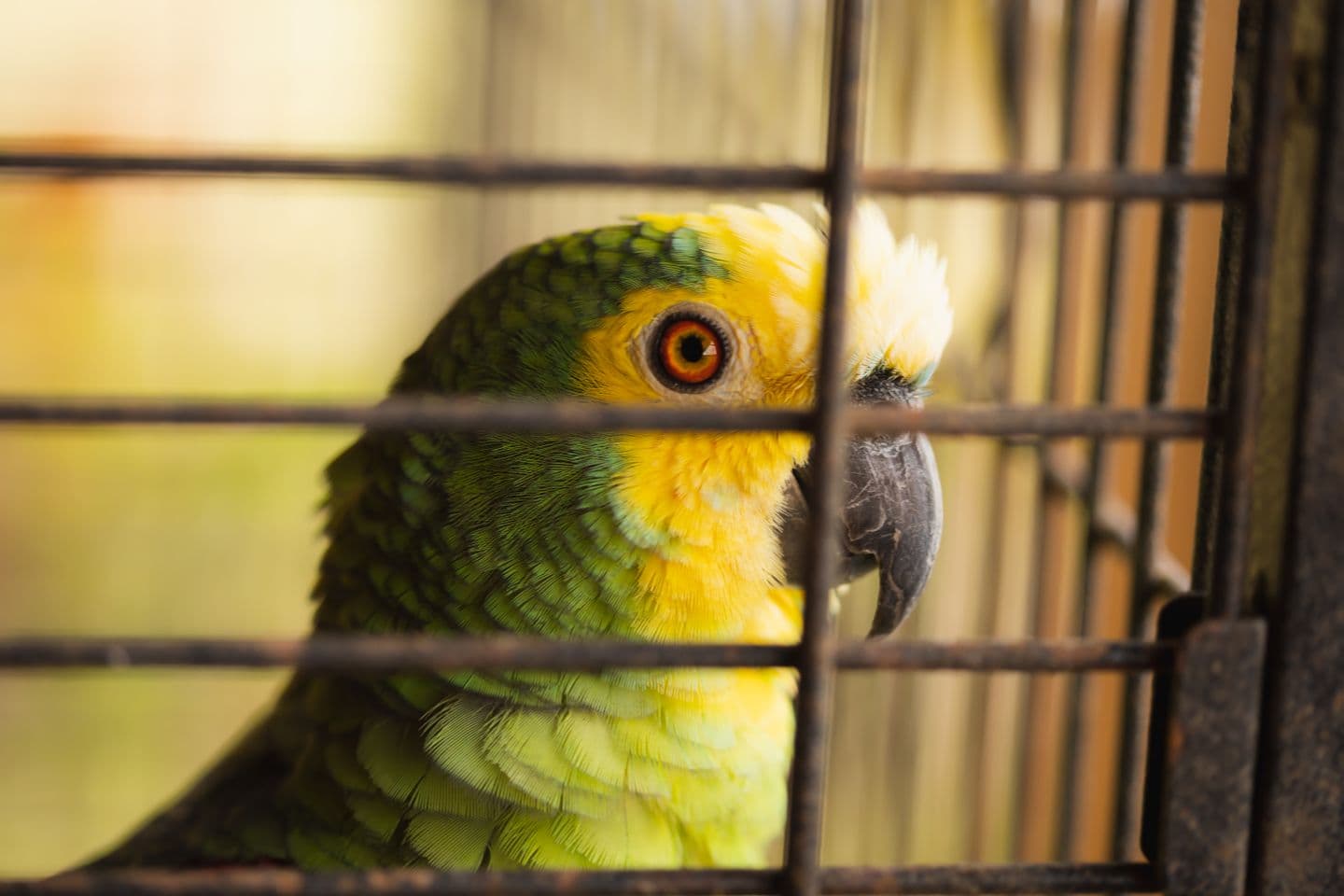
Long nails are more than a cosmetic issue. They snag on toys, perches, curtains, and cage bars, and a caught nail can tear painfully or even fracture a toe, so regular attention here genuinely prevents injuries.
In the wild, birds wear their nails down constantly by gripping bark, stone, and branches of every possible width. Most Indian homes furnish cages with smooth, same diameter wooden dowel perches, which gives nails almost nothing to wear against, so indoor birds usually need more help keeping them in check.
Every nail has a blood vessel and nerve running partway down its centre, called the quick. In light coloured nails it shows up as a pale pink line and is fairly easy to avoid. Many Indian favourites such as Indian ringnecks, mynas, and African greys have dark nails where the quick is difficult or impossible to see, which makes a light touch essential. When you cannot see the quick clearly, trim only the very tip and stop.
Stay calm, since your bird will pick up on your reaction. Apply gentle pressure with styptic powder or cornstarch pressed onto the nail tip until the bleeding stops. Keep watching the nail for a few minutes afterwards to be sure it has fully clotted. If the bleeding does not stop within several minutes, contact your vet without delay.
Adding rope perches, natural branch perches of different widths, and a concrete or mineral perch to the cage gives nails constant, gentle wear and can reduce how often formal trims are needed at all.
There is no single fixed schedule, since it depends heavily on the bird, its activity level, and how varied its perches already are. As a general guide, many indoor birds need a light trim every four to six weeks, while a bird with a good variety of natural branch and rope perches may go considerably longer between trims. Rather than working to a calendar, let the signs above (clicking, snagging, curling) tell you when it is time, and check nails briefly every couple of weeks so you catch the need early rather than waiting for a problem.
Article content © Ravi Teja. All rights reserved.
Birds / Getting Started
It is possible in many Indian households, but it takes real management, not just hoping for the best.
3 min read

Birds / Health
From paratyphoid to a lung condition now worrying doctors in Mumbai and Delhi, here is what every pigeon keeper and balcony feeder in India should know.
4 min read

Birds / Getting Started
Almost every Indian home has a money plant trailing along a shelf or a tulsi pot on the balcony. Most owners never think twice about it until their bird takes an interested peck, so it is worth knowin
3 min read