
Birds / Getting Started
Can Cats and Birds Live Together Safely?
It is possible in many Indian households, but it takes real management, not just hoping for the best.
3 min read
Birds / Getting Started
Adding a second bird to your home, whether as a companion for an existing pet or simply because you have fallen for another species, is not as simple as putting two cages side by side. Birds can be te
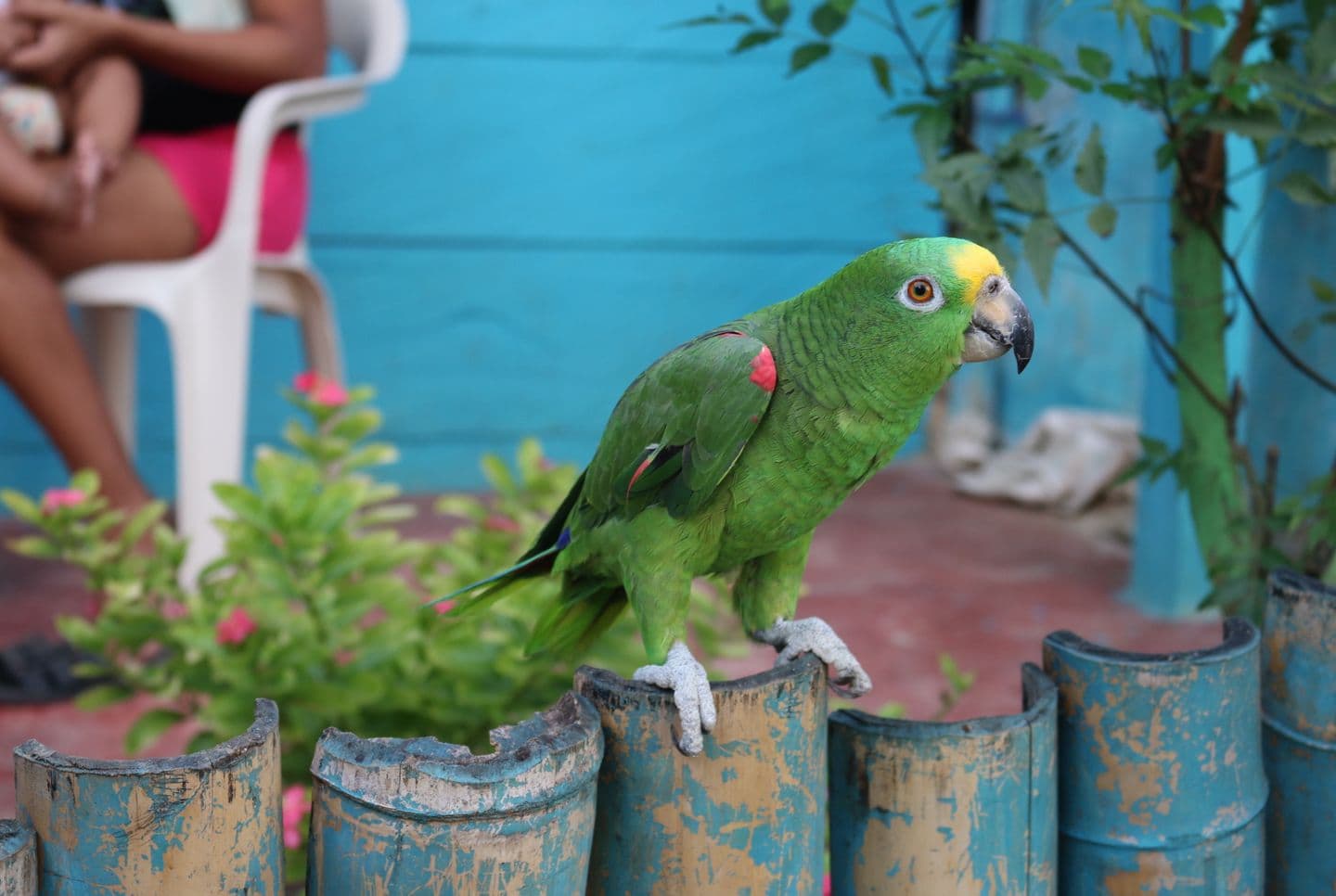
Adding a second bird to your home, whether as a companion for an existing pet or simply because you have fallen for another species, is not as simple as putting two cages side by side. Birds can be territorial, and introductions done too quickly can lead to serious injury. Here is how to do it properly.
Before your new bird meets your existing one, keep it completely separate, ideally in a different room, for at least two to four weeks. This protects your existing bird from infections the new arrival might be carrying without visible symptoms, since birds are notorious for hiding illness. Use this period to get the new bird settled, feeding well, and comfortable with you, since a stressed, unsettled bird is a poor candidate for a first meeting with another animal.
Once quarantine is over, place the two cages within sight of each other but not close enough to touch, and keep them that way for several days to a couple of weeks. This lets both birds get used to each other's presence, sounds, and smells without the pressure of direct contact. Watch their body language during this stage. Curious head tilts and calm feeding near the other cage are good signs. Prolonged screaming, feather puffing aimed at the other bird, or refusal to eat suggests you need to slow down.
When both birds seem relaxed around each other's cages, you can try short supervised sessions with both birds out together in a neutral space, not either bird's own cage or established territory. Keep these sessions brief at first, a few minutes, and always supervised. Never leave two birds that have not fully bonded alone together unsupervised, since even birds of the same species can injure each other seriously if a interaction turns aggressive.
Not every pairing works. Similarly sized, similarly tempered birds generally do better together than a small, gentle species paired with a larger, more assertive one. A budgie and a lovebird, for instance, can sometimes coexist but the lovebird's more assertive nature means close supervision is essential, while pairing a small bird with a large parrot carries real risk given the size and strength difference. Research your specific combination rather than assuming any two birds will get along simply because they are both birds.
If you see these signs even after a slow, careful introduction, some birds simply do better living separately, with supervised, structured time together rather than full cohabitation. There is no failure in recognising that not every pair will become companions, and keeping both birds safe matters more than forcing a friendship.
Article content © S Vejay Anand. All rights reserved.
Birds / Getting Started
It is possible in many Indian households, but it takes real management, not just hoping for the best.
3 min read
Birds / Health
From paratyphoid to a lung condition now worrying doctors in Mumbai and Delhi, here is what every pigeon keeper and balcony feeder in India should know.
4 min read
Birds / Getting Started
Almost every Indian home has a money plant trailing along a shelf or a tulsi pot on the balcony. Most owners never think twice about it until their bird takes an interested peck, so it is worth knowin
3 min read