

Birds / Getting Started
Can Cats and Birds Live Together Safely?
It is possible in many Indian households, but it takes real management, not just hoping for the best.
3 min read
Birds / Getting Started
Finding an injured or fledgling wild bird is common. Turning it into a pet is, in almost every case, both illegal and unwise.
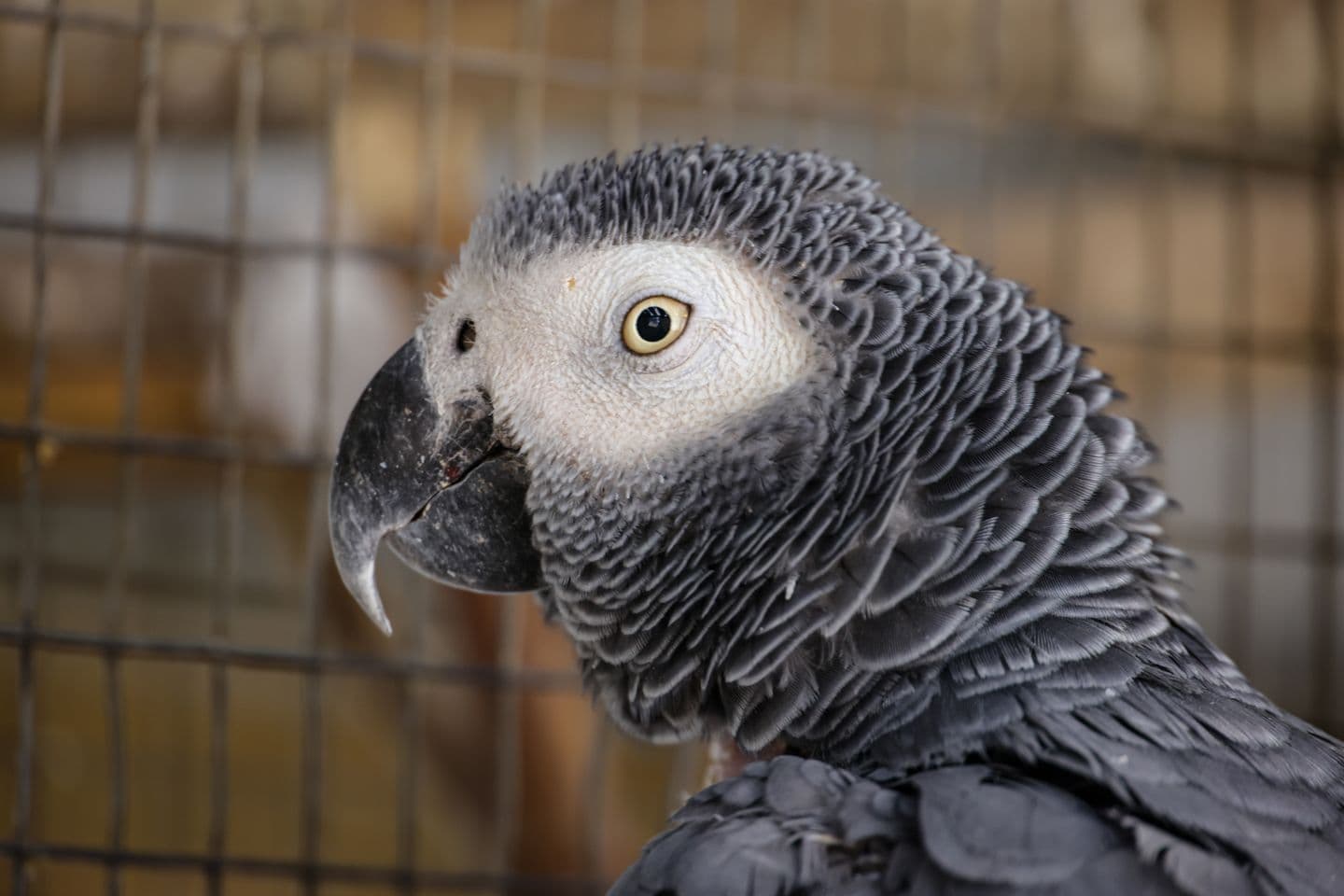
Finding an injured or fledgling wild bird is common. Turning it into a pet is, in almost every case, both illegal and unwise.
It is a familiar scene in Indian cities: a fledgling myna or a young pigeon found on a balcony or under a tree, seemingly abandoned, and a well-meaning family decides to raise it themselves. The instinct is a kind one, but keeping a wild-caught native bird as a pet is, with very limited exceptions, against the law, and even where it is not strictly illegal it is rarely the right choice for the bird.
Under the Wildlife Protection Act, 1972, capturing, keeping or trading almost any bird species naturally found in the wild in India is prohibited, covering everything from the common myna and house sparrow to parakeets, owls and birds of prey. This applies whether the bird was deliberately captured or simply found and kept rather than handed over to the appropriate authority. Penalties can include fines and imprisonment, and forest departments do periodically act on reports, particularly involving larger or more visibly protected species.
Hand-raising a wild bird without proper training tends to produce a bird that is poorly equipped for either life in the wild or life as a companion animal. Wild species have specific nutritional, social and environmental needs that are difficult to replicate at home, and a bird raised without its own species around it often develops behavioural problems that a rescue centre, with the right facilities and expertise, is far better placed to prevent.
The appropriate route is a legally available, non-native species from an established breeder or reputable pet shop, such as a budgerigar, cockatiel, lovebird or canary, rather than a bird taken from the wild. This sidesteps the legal risk entirely and gives you a species that is genuinely suited to captive life.
Article content © Ravi Teja. All rights reserved.
Birds / Getting Started
It is possible in many Indian households, but it takes real management, not just hoping for the best.
3 min read

Birds / Health
From paratyphoid to a lung condition now worrying doctors in Mumbai and Delhi, here is what every pigeon keeper and balcony feeder in India should know.
4 min read

Birds / Getting Started
Almost every Indian home has a money plant trailing along a shelf or a tulsi pot on the balcony. Most owners never think twice about it until their bird takes an interested peck, so it is worth knowin
3 min read