
Birds / Getting Started
Can Cats and Birds Live Together Safely?
It is possible in many Indian households, but it takes real management, not just hoping for the best.
3 min read
Birds / Getting Started
Good handling is less about technique and more about reading your bird correctly before you ever reach out a hand. Most bites happen after a bird has already signalled discomfort in some smaller way t
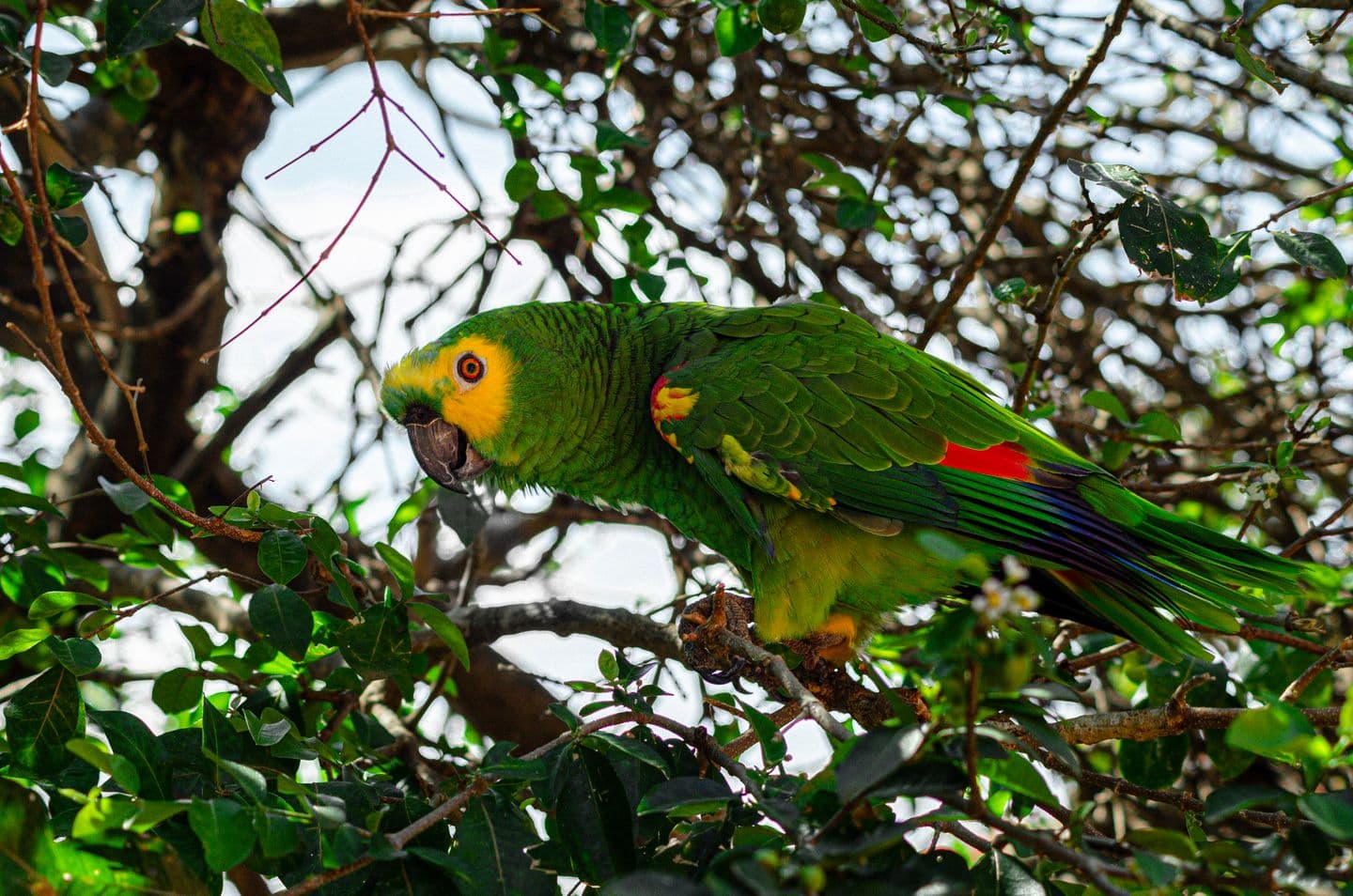
Good handling is less about technique and more about reading your bird correctly before you ever reach out a hand. Most bites happen after a bird has already signalled discomfort in some smaller way that got missed.
A bite is communication, not defiance. It usually means an earlier, quieter signal was missed, the bird is in pain, or it has been startled or cornered. Reacting with punishment such as shouting, flicking the beak, or shaking the cage tends to make the bird more fearful and more likely to bite again, so the more effective response is to note what led up to it and adjust the approach next time.
Some situations, such as a beak check or an at-home nail trim, do call for brief, firm restraint rather than a voluntary step up. This is different from everyday handling, and covered separately, since it uses a towel and a different hold entirely.
Many parrot species become noticeably less predictable during their hormonal or breeding season, which for several common Indian pet species tends to fall around the warmer months. A bird that is normally easy to handle may suddenly become territorial about its cage, nippier than usual, or reluctant to step up. This is a temporary hormonal shift rather than a training regression, so it helps to shorten handling sessions, avoid petting the lower back during this period, and simply give the bird a little more space until its behaviour settles back to normal.
Article content © Ravi Teja. All rights reserved.
Birds / Getting Started
It is possible in many Indian households, but it takes real management, not just hoping for the best.
3 min read
Birds / Health
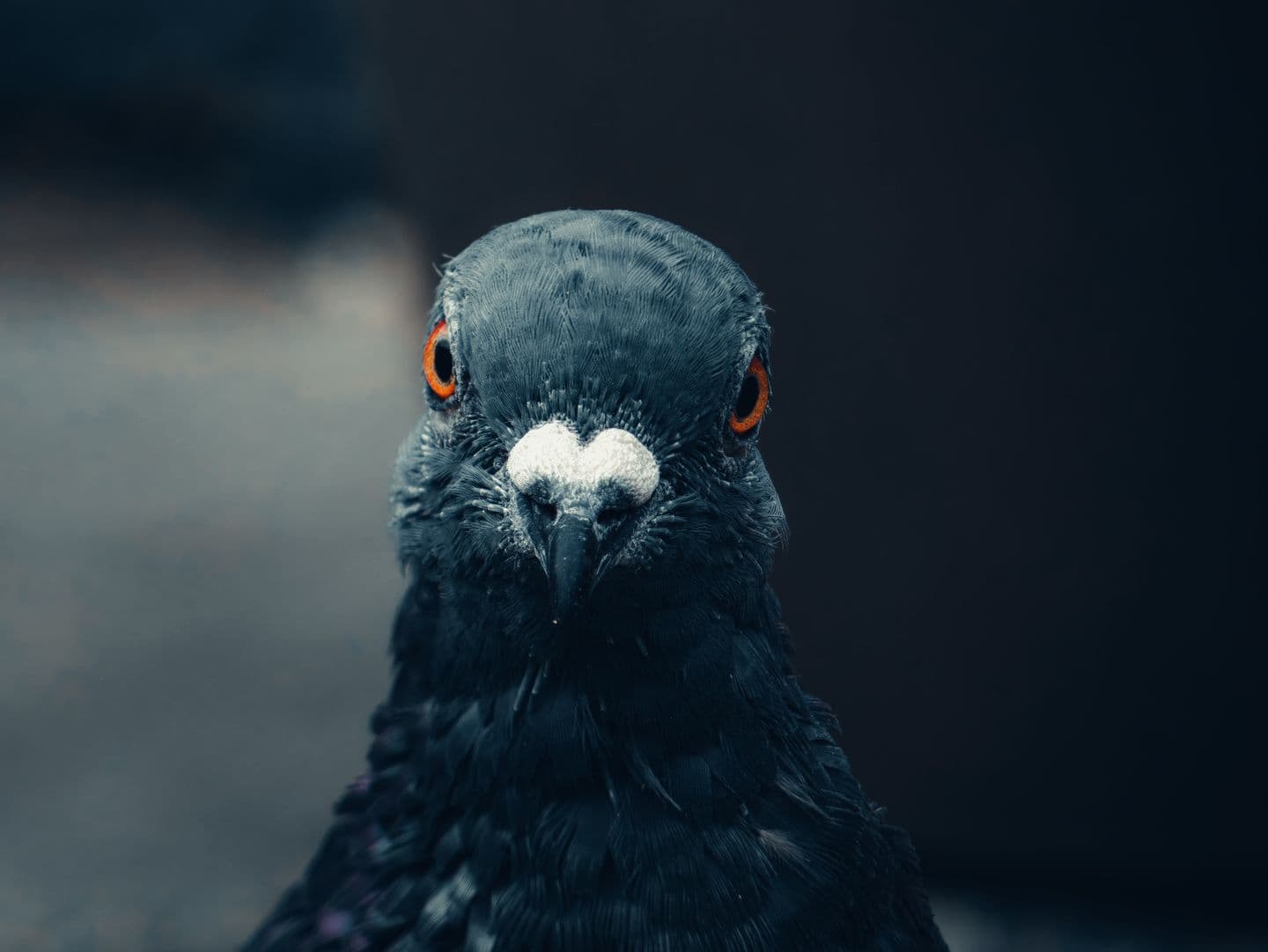
From paratyphoid to a lung condition now worrying doctors in Mumbai and Delhi, here is what every pigeon keeper and balcony feeder in India should know.
4 min read
Birds / Getting Started
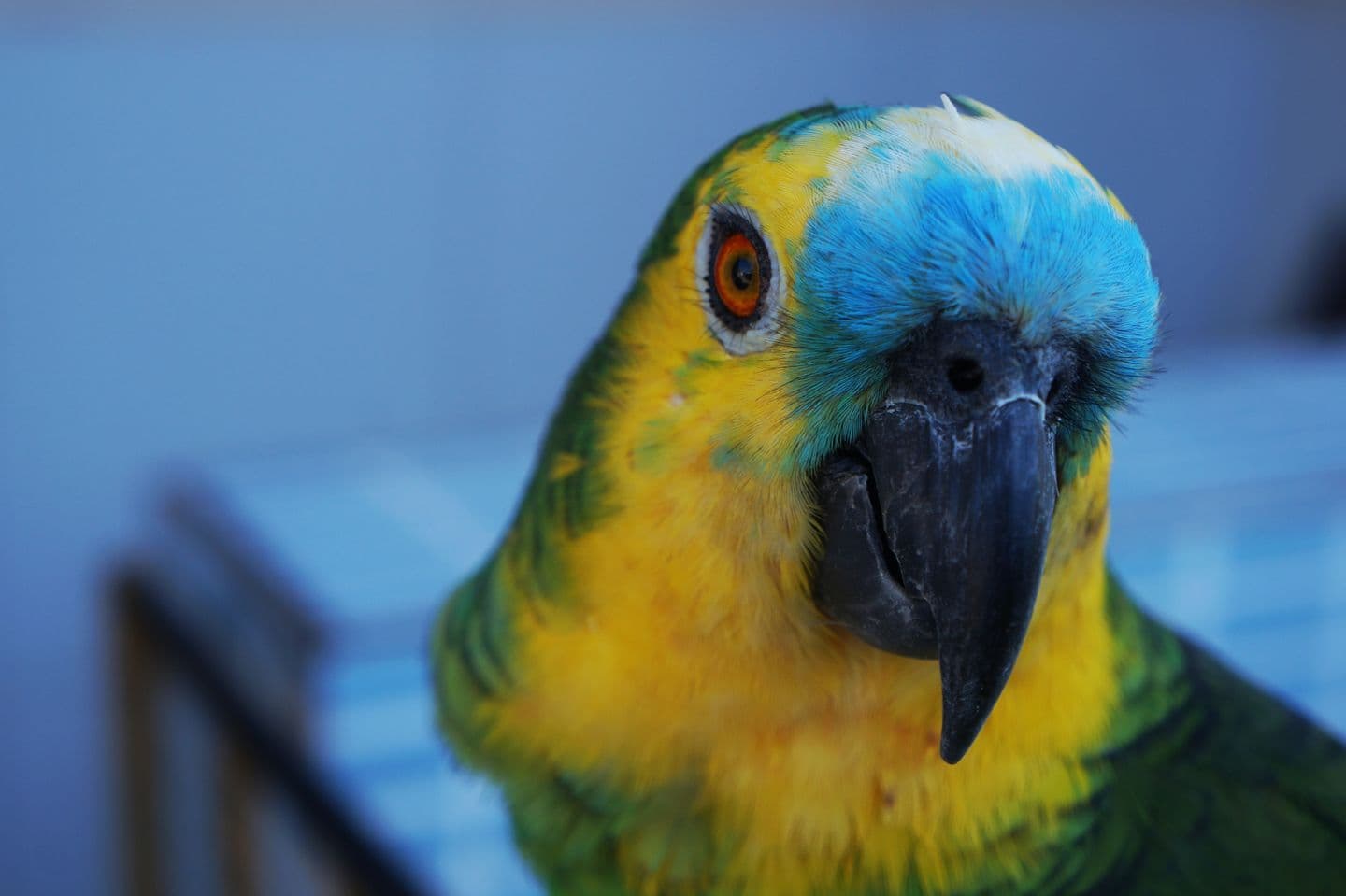
Almost every Indian home has a money plant trailing along a shelf or a tulsi pot on the balcony. Most owners never think twice about it until their bird takes an interested peck, so it is worth knowin
3 min read