
Birds / Getting Started
Can Cats and Birds Live Together Safely?
It is possible in many Indian households, but it takes real management, not just hoping for the best.
3 min read
Birds / Getting Started
The first few weeks after a bird arrives, whether newly adopted or brought home for the first time, shape how settled and trusting it becomes. Birds are creatures of routine and can find a new environ
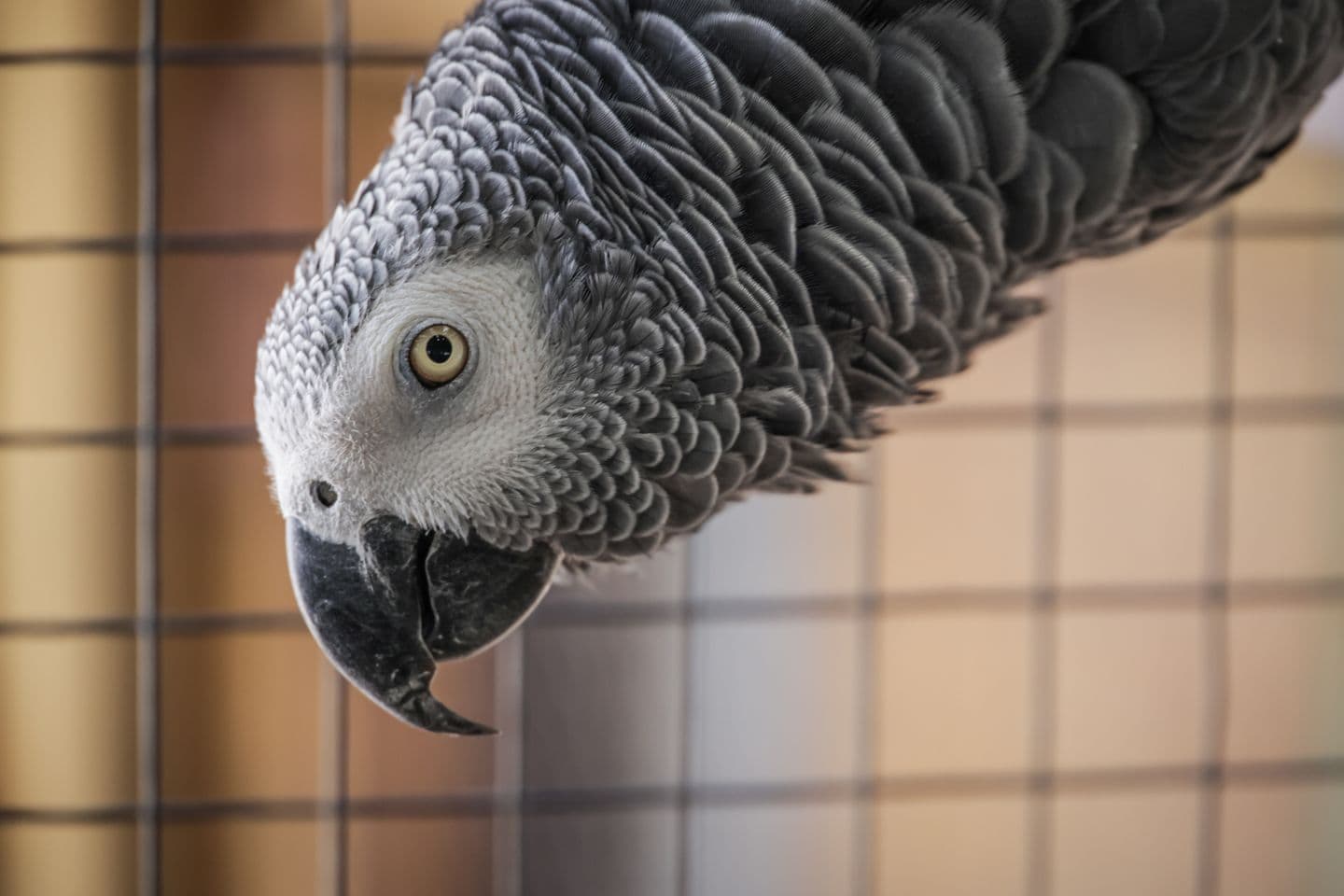
The first few weeks after a bird arrives, whether newly adopted or brought home for the first time, shape how settled and trusting it becomes. Birds are creatures of routine and can find a new environment genuinely frightening, so a slow, considered start pays off for years afterward.
Set up the cage in a location with steady foot traffic so the bird can get used to household activity, but away from kitchen fumes, direct blasting from air conditioners or ceiling fans, and direct harsh sunlight for long stretches. Kitchens in particular carry risk beyond just noise and heat, since fumes from overheated non stick cookware can be fatal to birds, so keep the cage well away from the cooking area entirely.
Resist the urge to handle or cuddle a bird in its first days home, however tempting that is. Let it explore its cage, get used to the sounds and sights of your home, and settle into eating normally before you attempt any direct handling. Sit near the cage calmly, talk in a soft, even voice, and let the bird approach the idea of you at its own pace rather than reaching into the cage repeatedly.
A healthy bird eats regularly and produces regular droppings. In the stress of a new environment it is normal for appetite to dip slightly for a day or two, but a bird that refuses food for more than about 24 to 48 hours, or whose droppings change significantly in colour, consistency, or frequency, needs a vet visit promptly rather than a wait and watch approach, since birds decline quickly once they stop eating.
Feed at the same times each day, keep the room reasonably quiet in the evenings, and avoid introducing the bird to visitors, other pets, or a lot of handling all at once. A predictable routine in the early days helps a bird learn what to expect from its new home, which in turn helps it relax faster.
Once the bird is eating well and seems reasonably settled, usually after the first week or two, you can begin slowly introducing it to other family members, one at a time, using the same calm, unhurried approach you used yourself. If there are other pets in the home, follow the specific, gradual introduction process covered elsewhere in this series rather than assuming the bird settling in generally means it is ready for that step too. Those are separate milestones, and rushing either one undoes the patience you have already invested.
By the end of the first month, most birds have settled into a visible routine, eating well, vocalising normally, and showing curiosity rather than fear toward their surroundings. That said, full trust with a nervous or previously rehomed bird can take considerably longer, sometimes months. Settling in is the beginning of your relationship with the bird, not a box to tick before moving on to the next thing.
Article content © Ravi Teja. All rights reserved.
Birds / Getting Started
It is possible in many Indian households, but it takes real management, not just hoping for the best.
3 min read
Birds / Health
From paratyphoid to a lung condition now worrying doctors in Mumbai and Delhi, here is what every pigeon keeper and balcony feeder in India should know.
4 min read
Birds / Getting Started
Almost every Indian home has a money plant trailing along a shelf or a tulsi pot on the balcony. Most owners never think twice about it until their bird takes an interested peck, so it is worth knowin
3 min read