

Birds / Getting Started
Can Cats and Birds Live Together Safely?
It is possible in many Indian households, but it takes real management, not just hoping for the best.
3 min read
Birds / Getting Started
Birds can experience something that looks very much like depression, and the earlier you catch it, the easier it is to reverse.
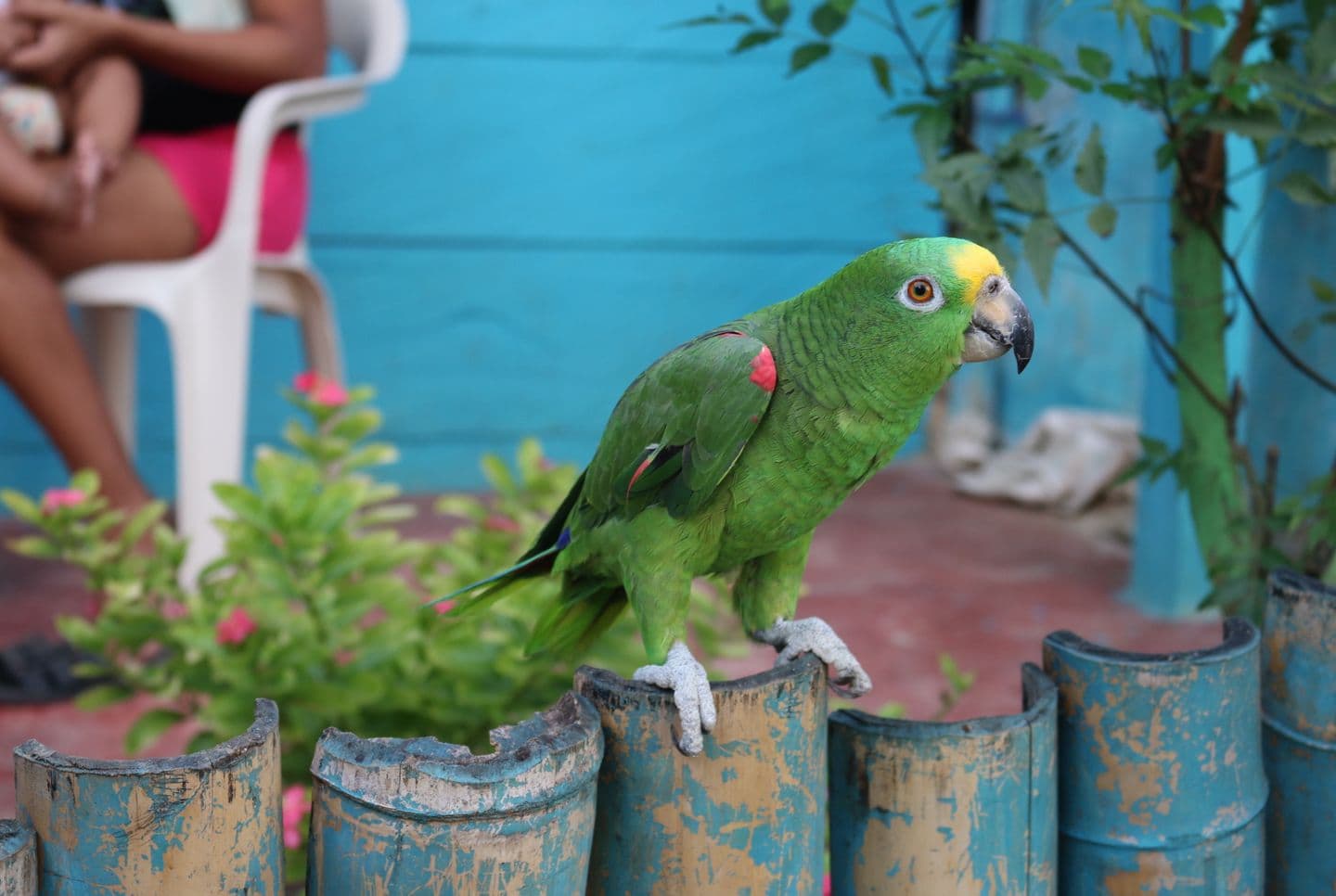
Birds can experience something that looks very much like depression, and the earlier you catch it, the easier it is to reverse.
While it is difficult to know exactly what a bird experiences internally, avian vets and behaviourists widely recognise a cluster of symptoms in pet birds that closely mirrors what we would call depression in a mammal: a period of low mood, reduced activity and withdrawal, usually triggered by a loss, a major change, or prolonged loneliness.
Because so many physical illnesses in birds present with identical symptoms, an avian vet visit should always be the first step before assuming a change in behaviour is purely emotional. Ruling out infection, nutritional deficiency and organ dysfunction is essential, since treating a sick bird as though it is merely sad delays the care it actually needs.
Once a medical cause has been ruled out, recovery usually comes from rebuilding a sense of security rather than from grand gestures. Restoring a predictable daily routine, spending calm, quiet time near the cage even without direct handling, reintroducing favourite foods and toys gradually, and, where the bird's species is a highly social one, considering a compatible companion bird after careful thought, all help. Progress is often slow and should not be forced; a bird recovering from a low period responds best to patience and consistency rather than an overwhelming burst of attention.
It is tempting to respond to a withdrawn bird with a sudden burst of extra attention, new toys and constant handling, but this can overwhelm a bird that is already struggling to cope and push it further into withdrawal. Equally, punishing reduced activity, screaming or feather plucking, or forcing a bird out of its cage when it is clearly avoiding contact, tends to add fear on top of whatever caused the low mood in the first place. Resist the urge to rehome a bird quickly out of concern that you are the wrong owner for it; a change of environment during a low period is usually more disruptive than helpful, and most birds recover well with patience in familiar surroundings once the underlying cause is addressed.
Article content © Ravi Teja. All rights reserved.
Birds / Getting Started
It is possible in many Indian households, but it takes real management, not just hoping for the best.
3 min read

Birds / Health
From paratyphoid to a lung condition now worrying doctors in Mumbai and Delhi, here is what every pigeon keeper and balcony feeder in India should know.
4 min read

Birds / Getting Started
Almost every Indian home has a money plant trailing along a shelf or a tulsi pot on the balcony. Most owners never think twice about it until their bird takes an interested peck, so it is worth knowin
3 min read