
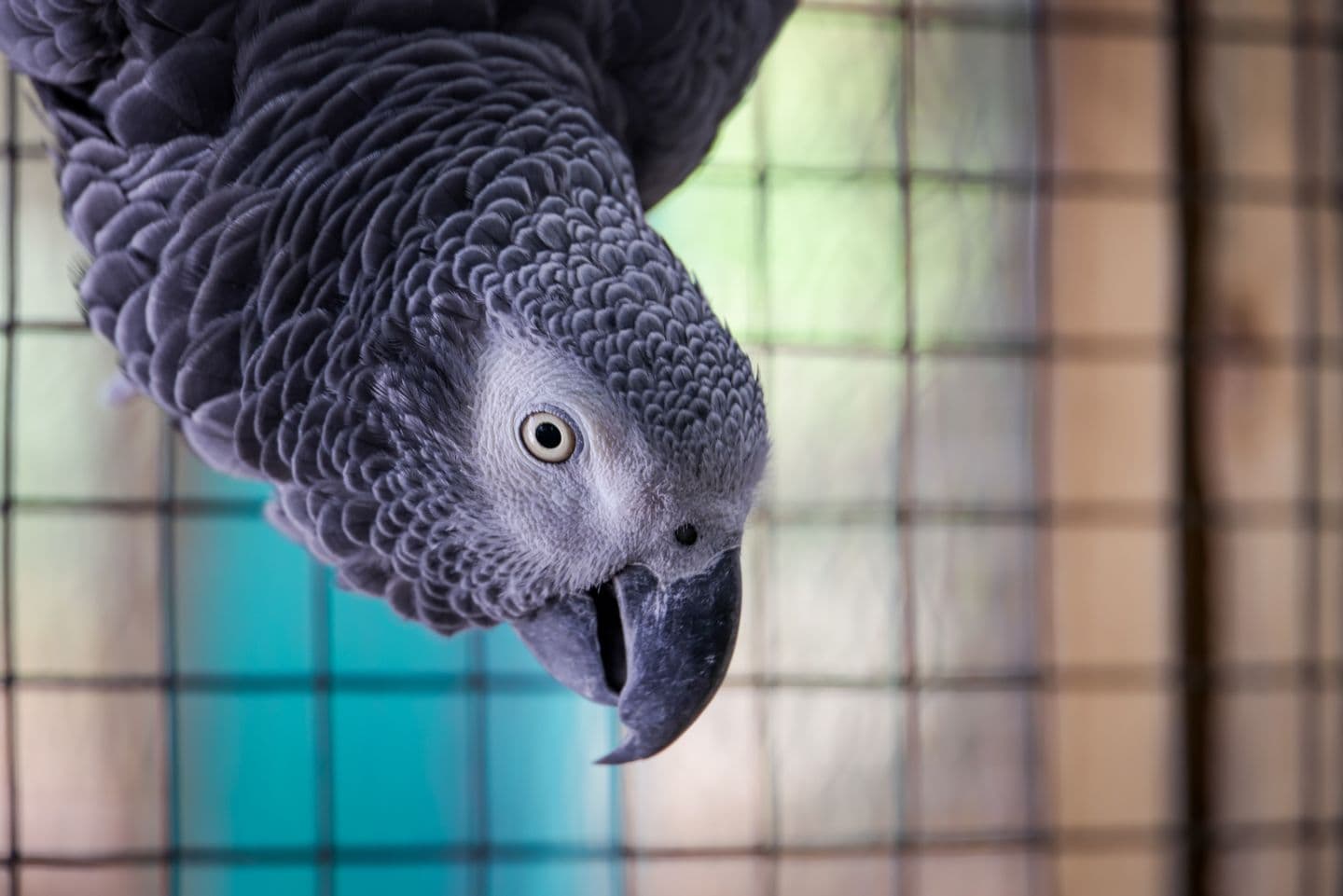
Birds / Getting Started
Can Cats and Birds Live Together Safely?
It is possible in many Indian households, but it takes real management, not just hoping for the best.
3 min read
Birds / Getting Started
In the wild, showing weakness makes a bird an easy target, so pet birds carry the same instinct and hide illness until it is often quite advanced. Learning to read the subtle signs early can genuinely
In the wild, showing weakness makes a bird an easy target, so pet birds carry the same instinct and hide illness until it is often quite advanced. Learning to read the subtle signs early can genuinely make the difference between a quick recovery and a serious emergency.
The earliest and most reliable warning system is simply knowing what is normal for your own bird. Its usual appetite, activity level, droppings, and voice are the baseline against which every small change should be measured, and small changes are usually all you get before things become obvious.
Extreme summer heat, sudden monsoon humidity swings, and cold snaps in northern winters can all add stress on top of an underlying illness, so seasonal changes are a good moment to watch a little more closely than usual. Owners handling a bird that turns out to have a respiratory infection should also be aware that psittacosis, a bacterial infection some birds carry, can pass to humans mainly through inhaling dust from dried droppings rather than through casual contact alone. Any bird showing lethargy, weight loss, and green droppings together should be isolated and seen by a vet promptly, and in the meantime avoid dry-sweeping or stirring up dust when cleaning its cage, since damp cleaning methods are safer until the cause is confirmed.
A sick bird loses body heat quickly, so keep it somewhere warm, ideally around twenty-nine to thirty-two degrees Celsius, using a covered cage with a heating pad set on low underneath one end, or a warm room away from drafts if you do not have one. Keep the space quiet and dim, cover most of the cage to reduce visual stress, and leave fresh water and its usual food within easy reach without forcing it to eat. Avoid handling more than necessary and keep other pets and boisterous household activity away, since calm and warmth are the two things you can genuinely provide until professional care takes over.
Article content © Ravi Teja. All rights reserved.
Birds / Getting Started
It is possible in many Indian households, but it takes real management, not just hoping for the best.
3 min read
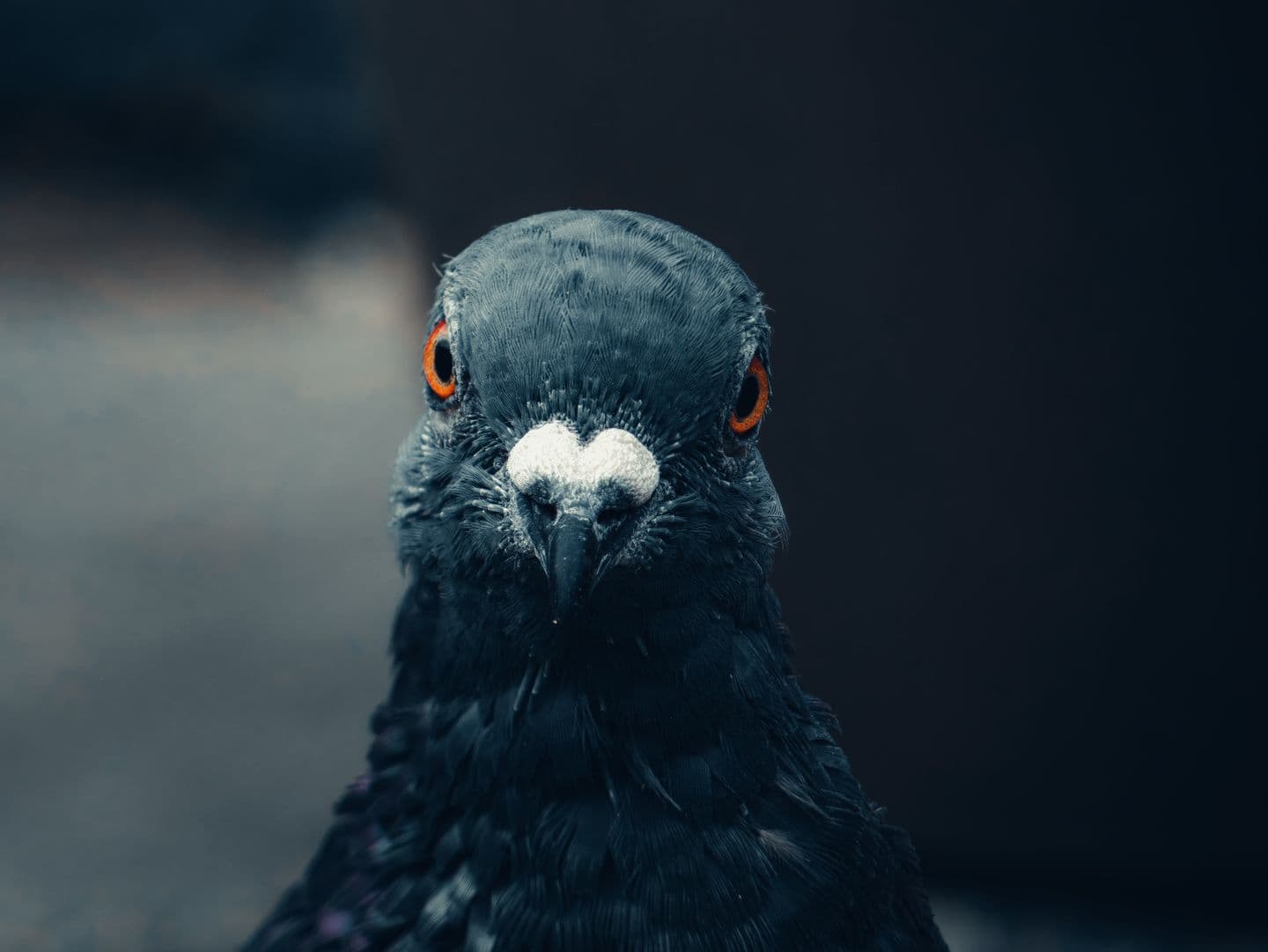
Birds / Health
From paratyphoid to a lung condition now worrying doctors in Mumbai and Delhi, here is what every pigeon keeper and balcony feeder in India should know.
4 min read
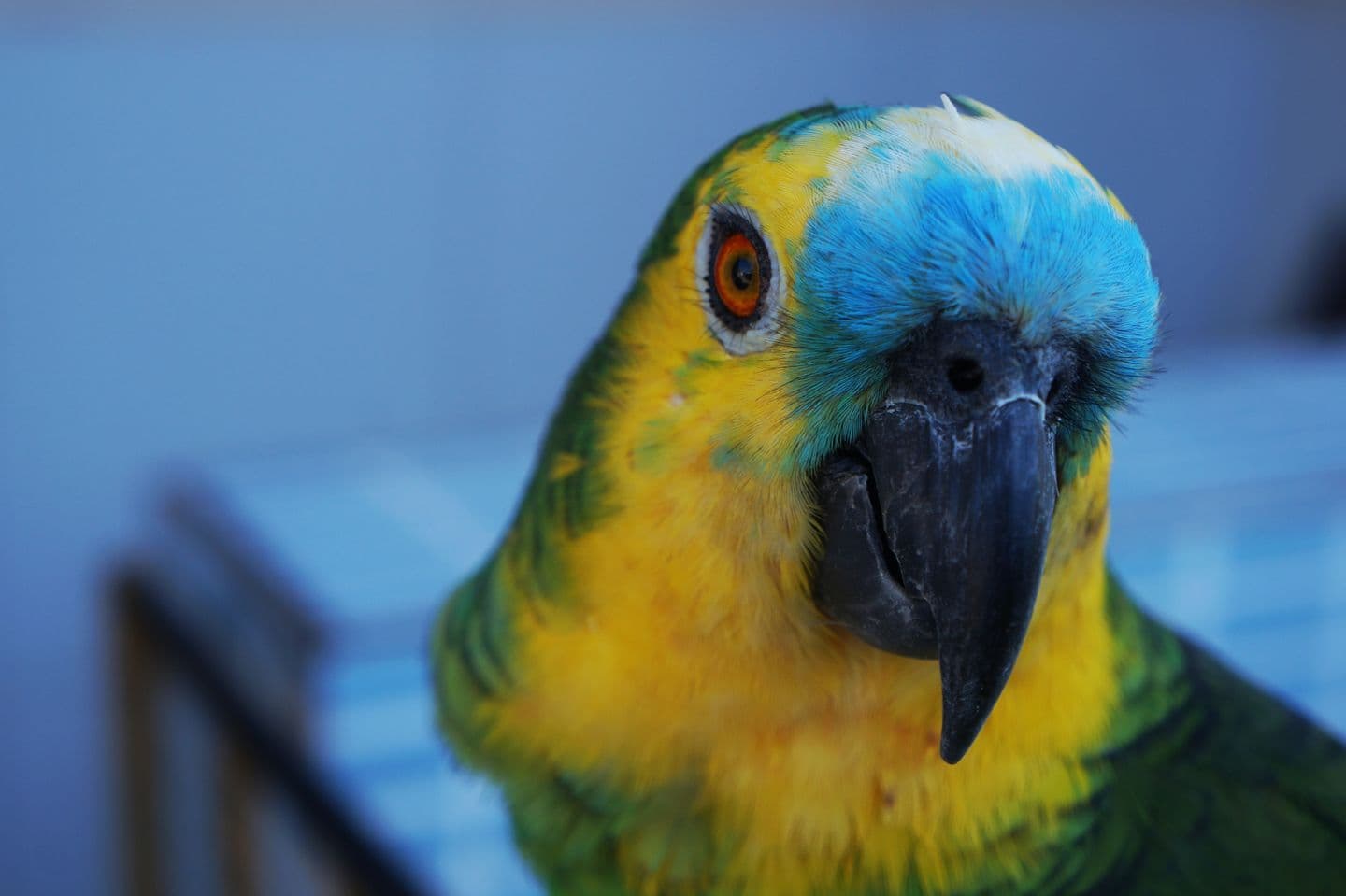
Birds / Getting Started
Almost every Indian home has a money plant trailing along a shelf or a tulsi pot on the balcony. Most owners never think twice about it until their bird takes an interested peck, so it is worth knowin
3 min read