

Birds / Getting Started
Can Cats and Birds Live Together Safely?
It is possible in many Indian households, but it takes real management, not just hoping for the best.
3 min read
Birds / Getting Started
Birds are prey animals by instinct, which means they are wired to hide weakness and distress until it becomes severe. Understanding stress in a pet bird is therefore less about waiting for an obvious
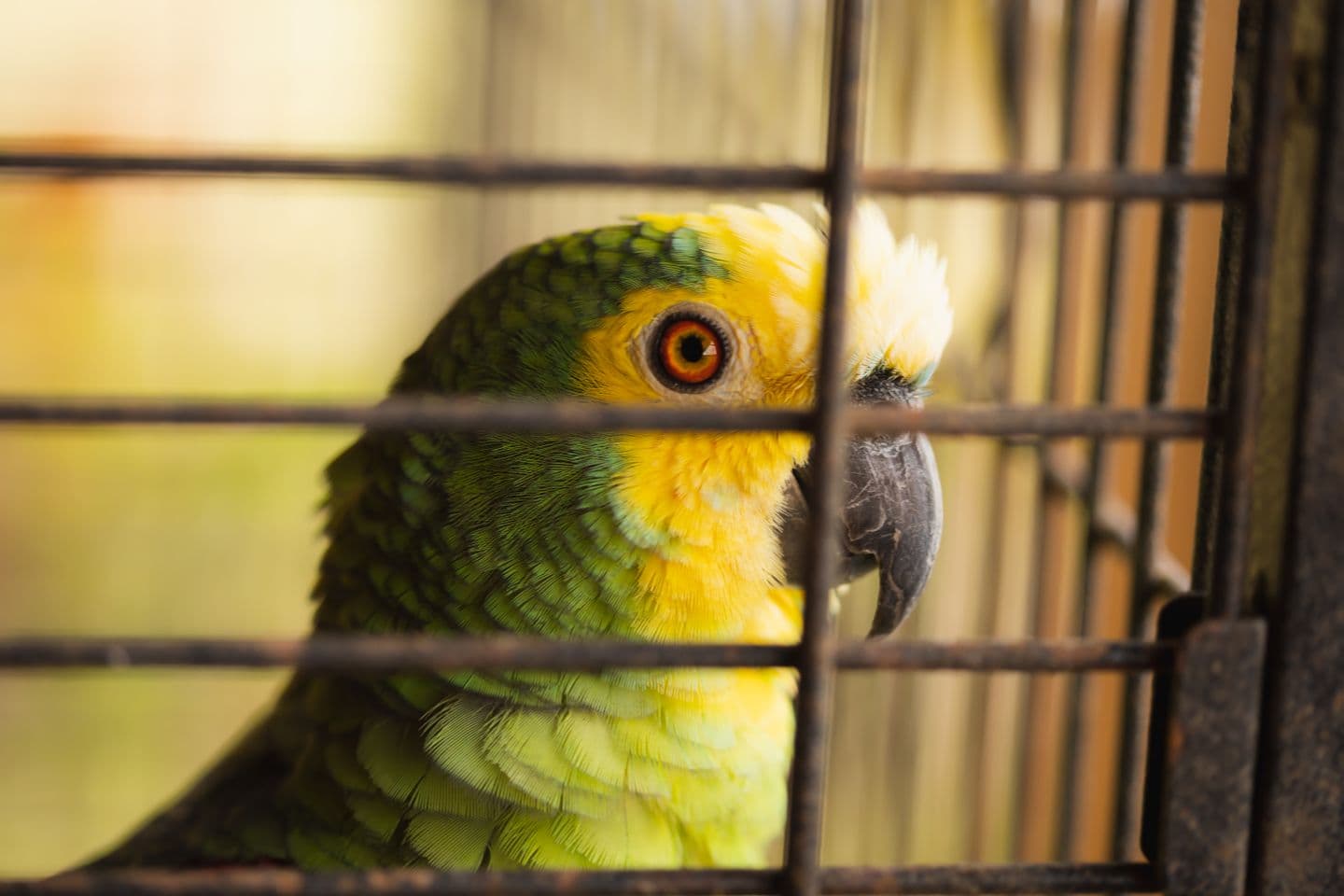
A stressed bird will almost always tell you, if you know what to look for.
Birds are prey animals by instinct, which means they are wired to hide weakness and distress until it becomes severe. Understanding stress in a pet bird is therefore less about waiting for an obvious dramatic reaction and more about noticing subtle shifts in everyday behaviour before they escalate.
Consistency is the single most powerful tool available to a bird owner. Feeding at the same times, keeping the cage in a stable location away from high-traffic doorways, and maintaining a predictable day and night cycle of roughly twelve hours each does more to calm a bird than almost any single product or toy.
During India's loud festival season, moving the cage to the quietest room in the house, covering part of the cage to reduce visual stimulation from fireworks, and playing soft, steady background sound to mask sudden bangs can make a genuine difference to a bird's stress levels. For everyday stress, rotating toys weekly, offering foraging opportunities that make the bird work gently for food, and ensuring at least some dedicated, distraction-free time with the bird each day address the root causes rather than just the symptoms.
Beyond Diwali, India's weather itself brings its own stress points. Monsoon thunder and sudden heavy rain can startle birds badly, particularly if the cage is near an open window that lets in flashes of lightning or gusts of wind. Moving the cage slightly further from windows during storm season and keeping to the usual routine as much as possible helps a bird ride out a thunderstorm calmly rather than panicking. Peak summer heat is its own stressor, since birds cannot cool down as efficiently as mammals do; a cage in direct afternoon sun, poor ventilation, or a room that gets uncomfortably hot in May and June will raise a bird's stress and health risk together, so shade, airflow and, where affordable, a cooled room during the worst heat of the day matter as much as any toy or feeding routine.
Feather plucking that draws blood, a sudden refusal to eat, or any sign of stress lasting more than a few days despite changes at home warrants a visit to an avian vet. Stress in birds can suppress the immune system and mask or worsen underlying illness, so what looks like a behavioural issue is sometimes a medical one wearing a behavioural mask.
Article content © Ravi Teja. All rights reserved.
Birds / Getting Started
It is possible in many Indian households, but it takes real management, not just hoping for the best.
3 min read

Birds / Health
From paratyphoid to a lung condition now worrying doctors in Mumbai and Delhi, here is what every pigeon keeper and balcony feeder in India should know.
4 min read

Birds / Getting Started
Almost every Indian home has a money plant trailing along a shelf or a tulsi pot on the balcony. Most owners never think twice about it until their bird takes an interested peck, so it is worth knowin
3 min read