
Birds / Getting Started
Can Cats and Birds Live Together Safely?
It is possible in many Indian households, but it takes real management, not just hoping for the best.
3 min read
Birds / Getting Started
A bird and a child can form a genuinely warm relationship, but it depends far more on the adults setting it up well than on the bird's personality alone.
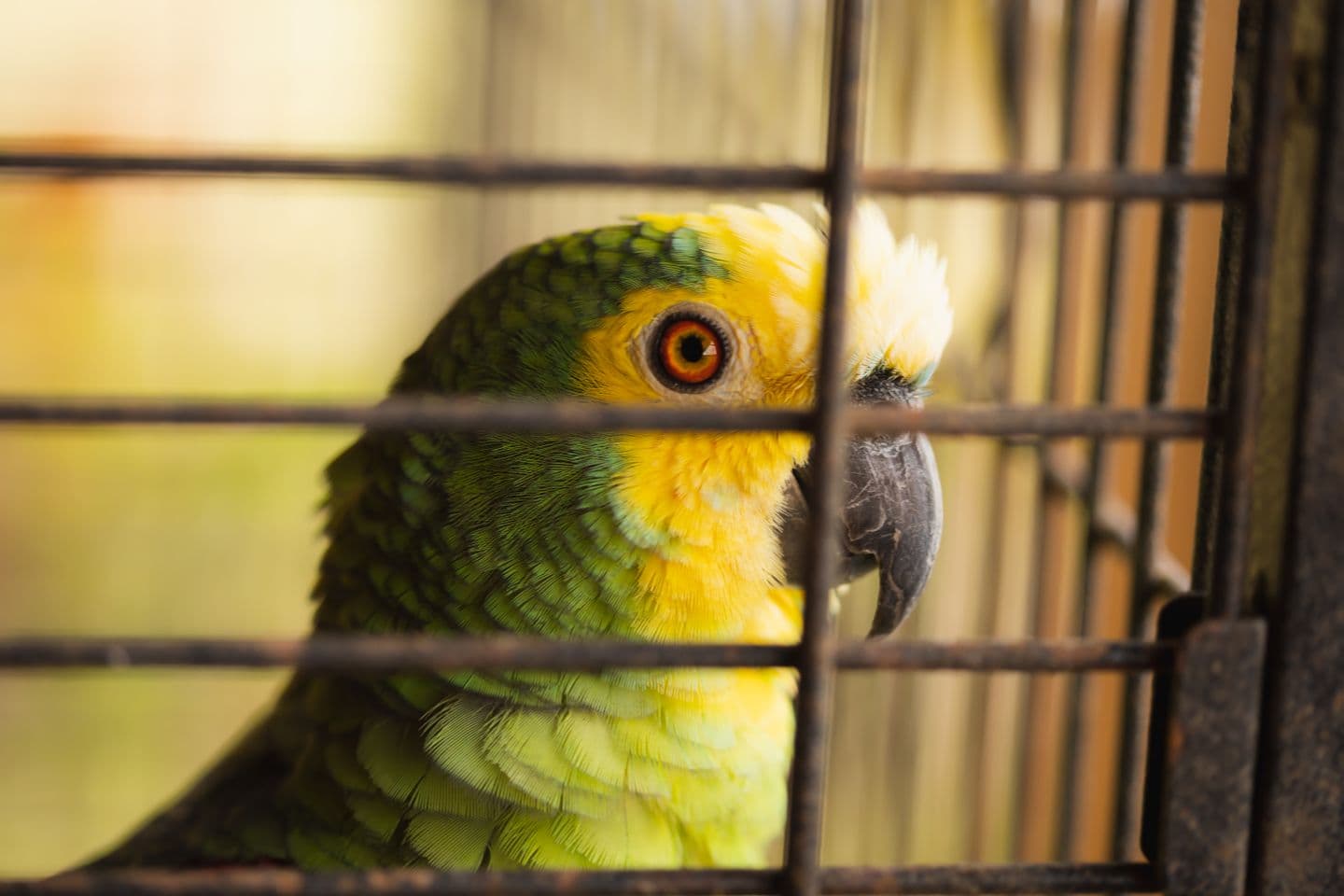
A bird and a child can form a genuinely warm relationship, but it depends far more on the adults setting it up well than on the bird's personality alone.
Children and pet birds can build a lovely, lasting bond, one built on gentle routine, mutual trust and a child's genuine curiosity about a creature so different from a cat or dog. Getting there safely and successfully depends heavily on how the relationship is introduced and managed in the early stages.
Before a child ever touches a bird, encouraging them to simply watch it, learn its habits, and talk to it calmly from a comfortable distance builds familiarity on both sides. A bird that has seen and heard a child calmly, repeatedly, over several days is far more receptive to that child's first attempt at closer contact than one being handled by a total stranger for the first time.
Birds respond strongly to tone of voice, sudden movement and general energy level. Coaching a child to use a soft voice, move slowly around the cage, and approach from the side rather than looming overhead pays off enormously in how comfortable the bird becomes around them.
A simple, consistent task, such as offering a specific treat at the same time each day or helping refill water under supervision, does more to build a genuine bond than occasional excited play sessions. It also teaches a child that caring for another creature involves routine and responsibility, not just the fun parts.
When a bird shows signs it wants to be left alone, fluffed feathers, turning away, retreating to a corner of the cage, use it as a teaching moment rather than pushing through. A child who learns early that living creatures are allowed to say no grows into a far more thoughtful pet owner, and this lesson often extends well beyond the bird itself.
Even the calmest species can react unpredictably to an overly excited child, and a child's grip strength and impulse control are both still developing. An adult should be present for interactions until both the bird and the child have a well-established, calm rapport, and even then, checking in periodically remains good practice.
As with any pet, a basic hand-washing habit after handling the bird or cleaning its cage is worth establishing from the very first interaction, particularly for younger children who tend to touch their face often. This is not about treating the bird as a health risk, most healthy, well-cared-for birds pose very little danger, but simple hygiene is a habit worth having in place before it is ever actually needed, rather than introduced only after a concern comes up.
Article content © S Vejay Anand. All rights reserved.
Birds / Getting Started
It is possible in many Indian households, but it takes real management, not just hoping for the best.
3 min read
Birds / Health
From paratyphoid to a lung condition now worrying doctors in Mumbai and Delhi, here is what every pigeon keeper and balcony feeder in India should know.
4 min read
Birds / Getting Started
Almost every Indian home has a money plant trailing along a shelf or a tulsi pot on the balcony. Most owners never think twice about it until their bird takes an interested peck, so it is worth knowin
3 min read