
Birds / Getting Started
Can Cats and Birds Live Together Safely?
It is possible in many Indian households, but it takes real management, not just hoping for the best.
3 min read
Birds / Getting Started
A bird is a genuinely different kind of commitment from a dog or cat. These are the questions worth answering honestly before you bring one home.
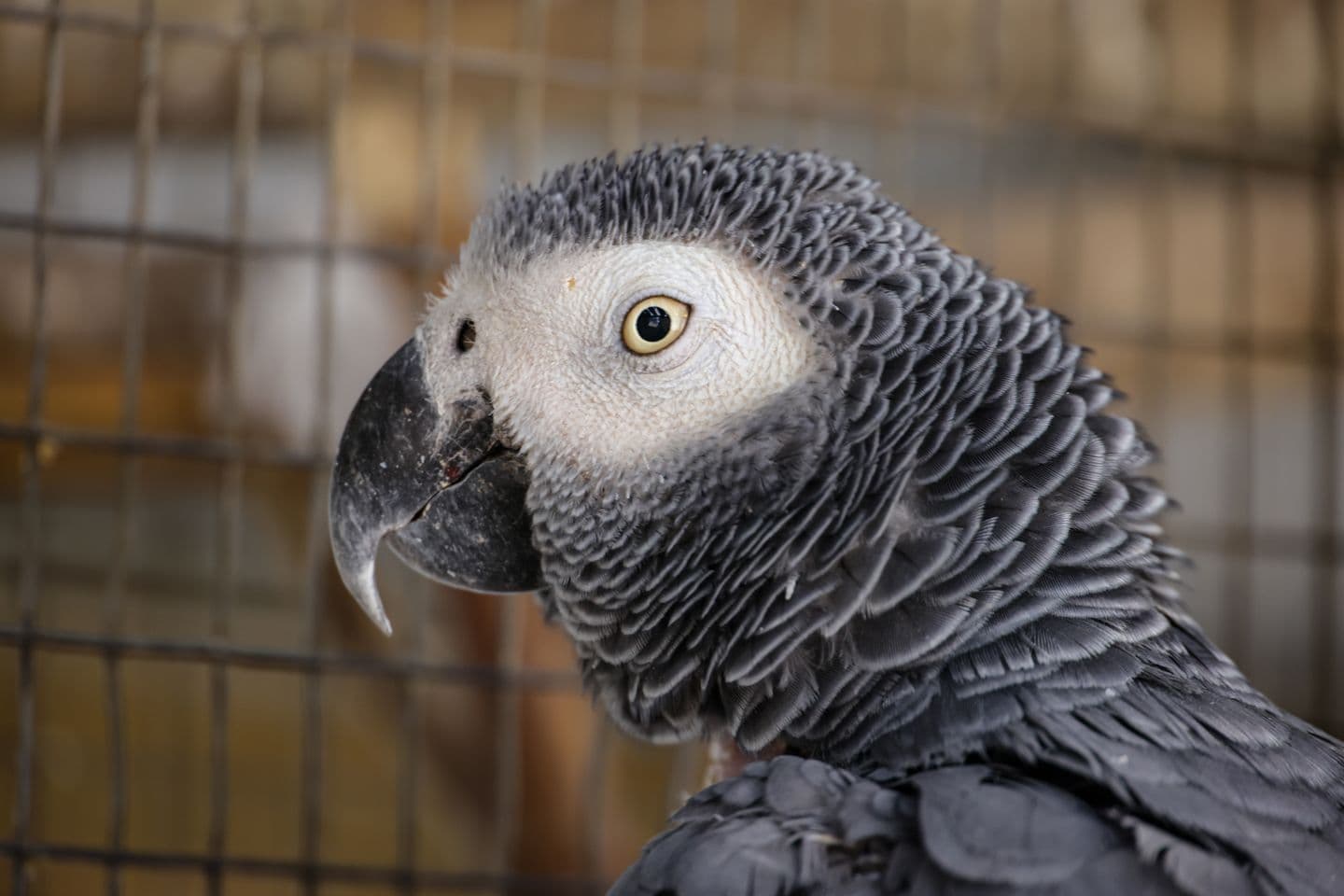
A bird is a genuinely different kind of commitment from a dog or cat. These are the questions worth answering honestly before you bring one home.
Pet birds are often chosen on the strength of a single appealing trait, colour, the idea of a talking companion, a memory of a relative's parrot, without a full look at what daily life with that species actually involves. A little honest planning before bringing a bird home prevents the majority of rehoming situations that shelters and rescues see.
Many popular pet birds live far longer than people expect. A budgie might live five to ten years, but an Indian ringneck or a macaw can live 25 to 60 years, meaning the bird you bring home today could still need care from you, or from whoever inherits it, decades from now. Consider not just whether you want this bird now, but who will care for it if your own circumstances change significantly.
Be honest about your living situation. A loud parrot in a shared-wall apartment is a recipe for conflict with neighbours, and a large parrot in a small flat with no room for a spacious cage or daily flight time will struggle regardless of how much love it gets. Match the species to your actual home, not the home you might have someday.
Most parrot species are highly social and need real daily interaction, not just a clean cage and fresh food. If your household is out of the house most of the day with little time left over in the evenings, a highly social species will likely develop behaviour problems no matter how well-intentioned you are.
Several commonly desired species, particularly the rose-ringed parakeet and other native parrots, sit in genuinely unclear legal territory under the Wildlife Protection Act. It is worth deciding in advance how much this matters to you and choosing accordingly, rather than discovering the complication after you are already attached to a specific bird.
Beyond the bird itself, a proper cage, toys, a balanced diet of pellets and fresh food rather than seed alone, and regular avian vet visits add up over the years. Avian vets are also less widely available than general small-animal vets in many Indian cities, so it is worth confirming there is one accessible to you before committing to a species with more complex health needs.
It is easy for one enthusiastic family member to make the decision on everyone else's behalf, but a bird affects the whole household, not just the person who wanted it. Feather dust and dander, especially from powder-down species such as cockatoos and cockatiels, can trigger respiratory symptoms in family members with asthma or bird-related allergies, something worth checking for before committing rather than after. It is also worth having a genuine conversation about who will handle daily care if the original owner is travelling, unwell or simply loses interest over time, since a bird kept for two decades or more will inevitably outlast a few changes in circumstance.
Article content © S Vejay Anand. All rights reserved.
Birds / Getting Started
It is possible in many Indian households, but it takes real management, not just hoping for the best.
3 min read
Birds / Health
From paratyphoid to a lung condition now worrying doctors in Mumbai and Delhi, here is what every pigeon keeper and balcony feeder in India should know.
4 min read
Birds / Getting Started
Almost every Indian home has a money plant trailing along a shelf or a tulsi pot on the balcony. Most owners never think twice about it until their bird takes an interested peck, so it is worth knowin
3 min read