
Birds / Getting Started
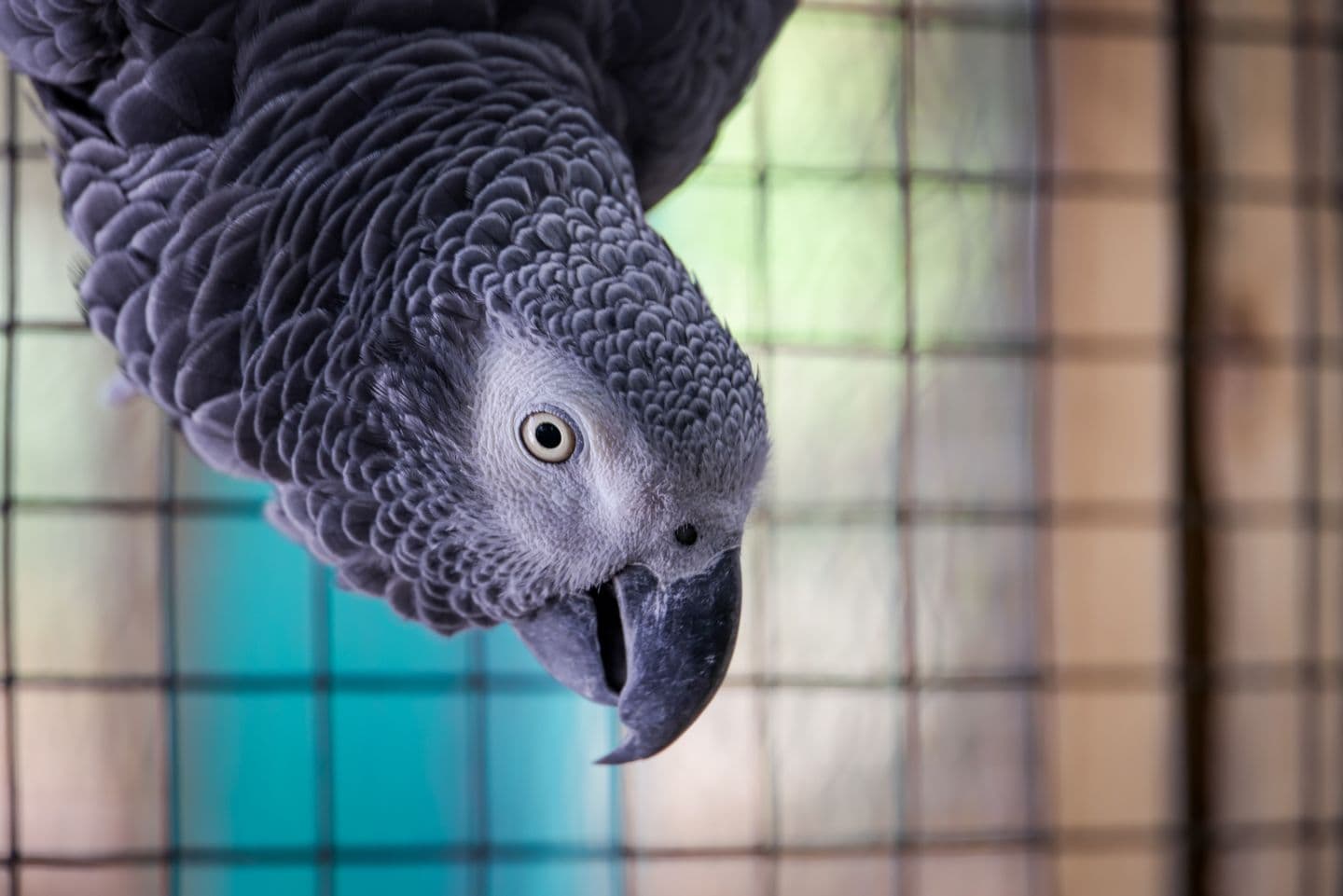
Can Cats and Birds Live Together Safely?
It is possible in many Indian households, but it takes real management, not just hoping for the best.
3 min read
Birds / Getting Started
That spiky, quill-like stubble your bird gets during a moult has a name and a good reason to be handled gently.
That spiky, quill-like stubble your bird gets during a moult has a name and a good reason to be handled gently.
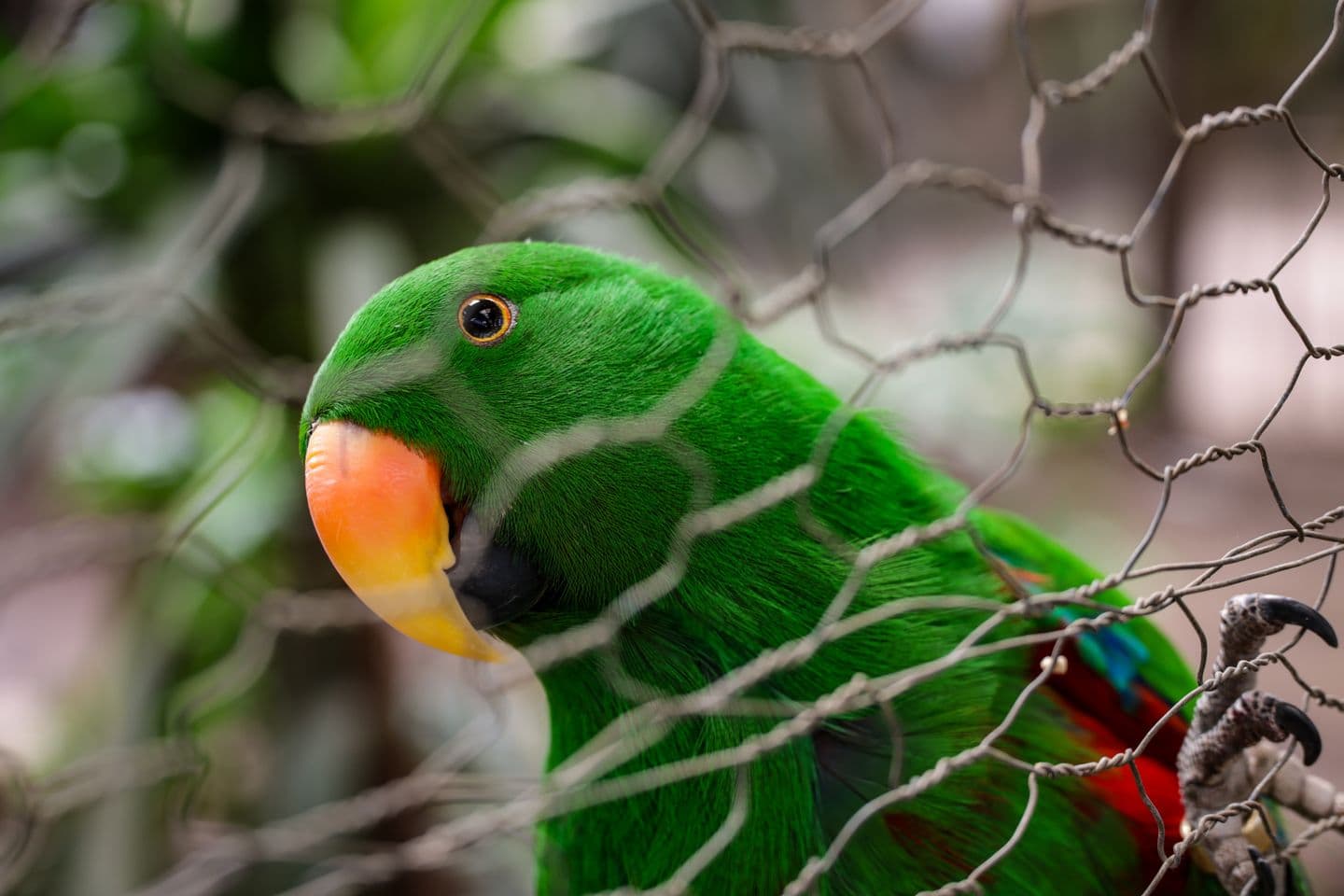
Owners often notice their bird looking unusually rough, with small spike-like growths poking through the skin, and wonder whether something is wrong. In the vast majority of cases, this is completely normal: these are pinfeathers, also called blood feathers, and they are simply new feathers growing in during a moult.
When an old feather is shed, a new one begins growing almost immediately from the same follicle. In its earliest stage, this new feather is fed by an active blood supply running through its centre and is wrapped in a protective keratin sheath, which is what gives it that hard, spiky, pin-like appearance rather than the soft look of a mature feather. As the feather finishes growing, the blood supply recedes back into the follicle and the sheath flakes away, usually helped along by the bird's own preening or a companion bird grooming the hard-to-reach spots.
A heavy moult means many pinfeathers emerging around the same time, particularly on the head and neck, areas the bird cannot easily preen itself. This can genuinely be uncomfortable, and it is common for an otherwise easy-going bird to become a little more sensitive, less tolerant of handling, or eager for gentle head scratches during a heavy moult.
A pinfeather that is broken or damaged while the blood supply is still active can bleed, sometimes heavily, since it is essentially a small blood vessel encased in keratin. If you see active bleeding from a broken feather, apply gentle pressure with a clean cloth or, if available, a small amount of styptic powder or plain cornflour to the site, and contact an avian vet promptly, especially in a small bird where even a modest blood loss is proportionally significant.
It can be tempting to help a bird along by pulling out a stubborn-looking pin, but this is genuinely risky. A pinfeather with an active blood supply will bleed, sometimes significantly, if pulled or broken, and pulling one out prematurely can also damage the follicle, occasionally affecting how well feathers grow back in that spot in future. The only pinfeathers safe to remove by hand are ones that have already fully matured, gone hard and lost their blood supply, and even then this is best learned from an avian vet or an experienced handler rather than guessed at. If a feather looks stuck or a bird seems unable to reach an itchy pin on its own, gentle scratching to help flake off the dry sheath is safe; pulling the feather itself is not.
Article content © Ravi Teja. All rights reserved.
Birds / Getting Started
It is possible in many Indian households, but it takes real management, not just hoping for the best.
3 min read
Birds / Health
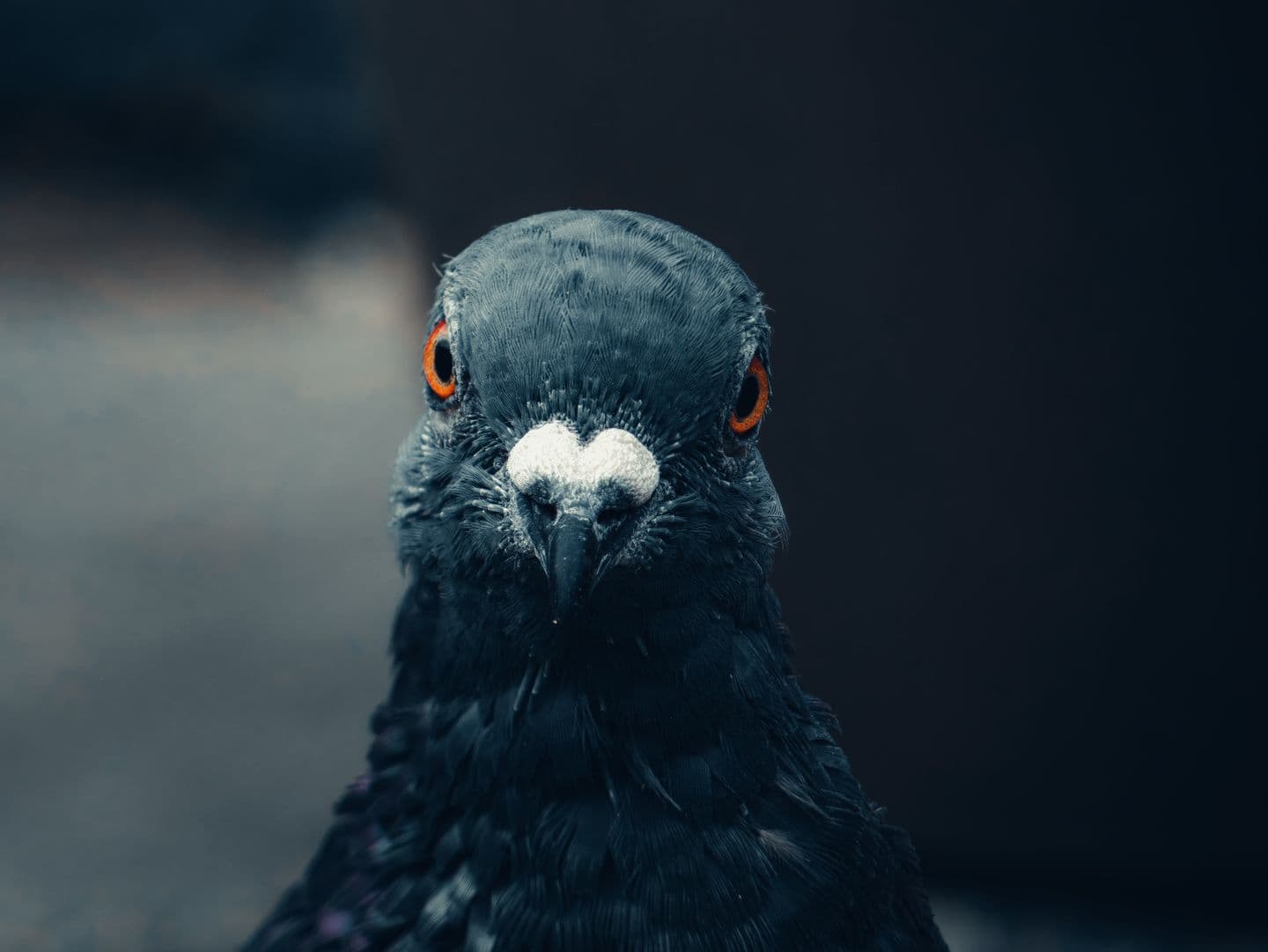
From paratyphoid to a lung condition now worrying doctors in Mumbai and Delhi, here is what every pigeon keeper and balcony feeder in India should know.
4 min read
Birds / Getting Started
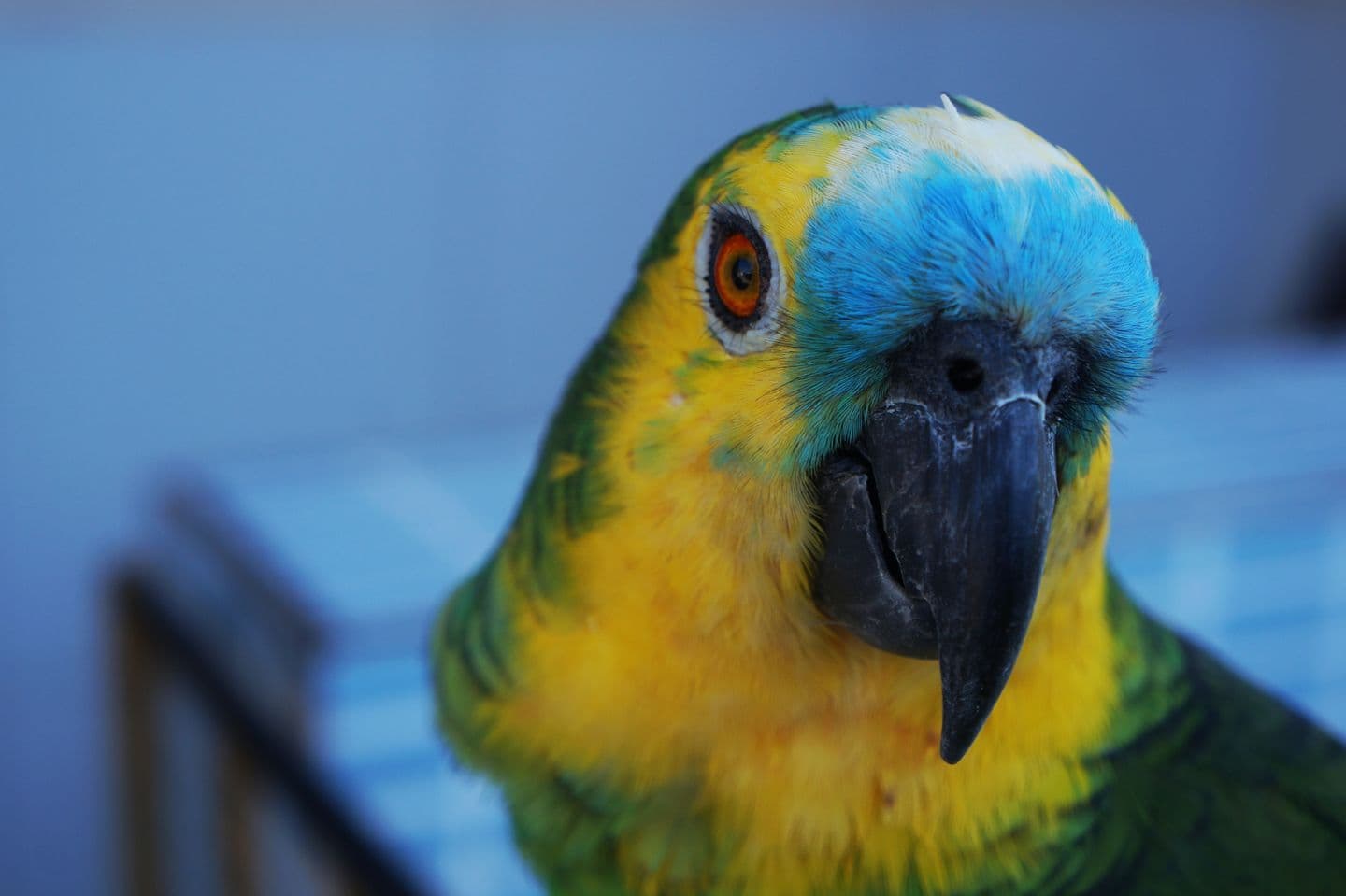
Almost every Indian home has a money plant trailing along a shelf or a tulsi pot on the balcony. Most owners never think twice about it until their bird takes an interested peck, so it is worth knowin
3 min read