Birds / Getting Started
Can Cats and Birds Live Together Safely?
It is possible in many Indian households, but it takes real management, not just hoping for the best.
3 min read
Birds / Getting Started
A bird can have fresh food, clean water and a comfortable cage and still have a poor quality of life. This is one of the most important distinctions in responsible bird ownership. Meeting an animal's
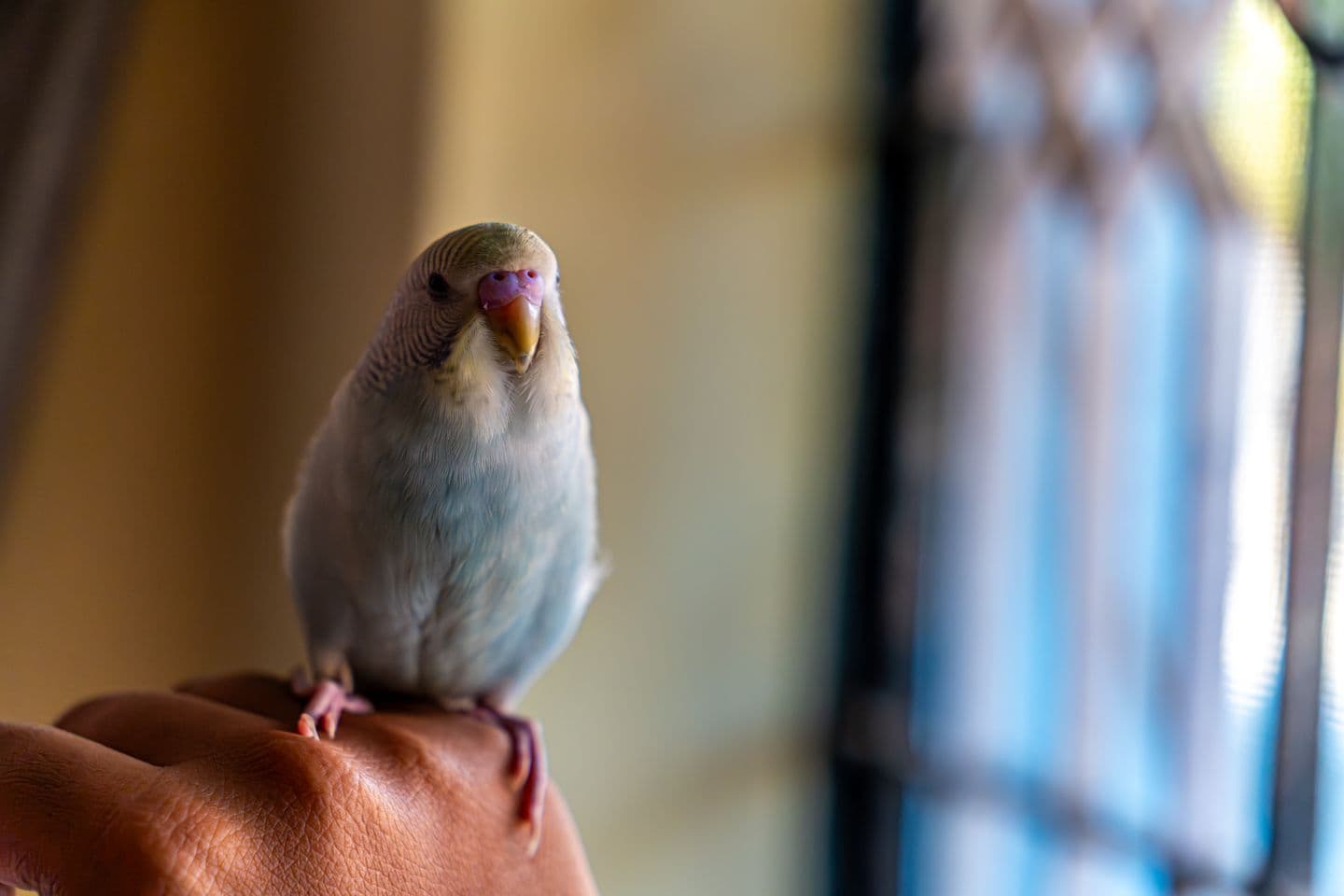
A bird can have fresh food, clean water and a comfortable cage and still have a poor quality of life. This is one of the most important distinctions in responsible bird ownership. Meeting an animal's basic survival requirements does not necessarily mean meeting its welfare needs. Birds are intelligent, active creatures with complex physical, social and behavioural requirements. A good life in captivity must provide opportunities to express natural behaviours. But what does that actually look like?
For most bird species, flight is an essential natural behaviour. In captivity, this requires spacious housing and opportunities for safe exercise.
A secure flight aviary or supervised indoor flight area can provide valuable opportunities for exercise. The enclosure must also protect birds from predators, household hazards and extreme weather.
Birds need more than physical space. They also need activities that challenge their minds. In the wild, finding food can involve searching, problem-solving, manipulation and exploration. Captive environments should provide similar opportunities through:
Enrichment should be appropriate to the species, age and individual personality of the bird. A parrot, for example, may need considerably more complex stimulation than some smaller species.
Many birds are highly social and form strong relationships. Some species live in flocks, while others form long-term pair bonds or maintain smaller social groups. Captive birds need opportunities for appropriate social interaction. Depending on the species, this may involve compatible bird companions or carefully managed interaction with human caregivers. However, keeping two birds together without considering compatibility can result in aggression, stress and injury. Social needs must therefore be understood at the species and individual level.
A healthy bird needs a balanced, species-appropriate diet. Seed-only diets are unsuitable for many commonly kept companion birds and may contribute to nutritional deficiencies. Owners should seek veterinary guidance on the appropriate combination of formulated foods, vegetables, fruits and other dietary components. Regular health monitoring is equally important. Changes in appetite, droppings, feather condition, breathing and activity can indicate illness. An avian veterinarian should be consulted when health concerns arise.
Birds need predictable routines and environments where they feel safe. Sudden changes, excessive noise, rough handling and constant disturbance can cause stress. They should have access to quiet resting spaces and should never be forced into interactions. Their body language should be respected. A bird that moves away, becomes defensive or displays signs of fear should be given space.
A good life for a captive bird is not defined by how well it talks, performs tricks or entertains its owner. It is defined by its ability to remain healthy, explore, move, interact appropriately and express natural behaviours.
The real achievement of responsible bird ownership is not having a bird that adapts completely to human expectations. It is creating an environment in which the bird can thrive despite living in captivity.
Article content © Tarun. All rights reserved.
Birds / Getting Started
It is possible in many Indian households, but it takes real management, not just hoping for the best.
3 min read
Birds / Health
From paratyphoid to a lung condition now worrying doctors in Mumbai and Delhi, here is what every pigeon keeper and balcony feeder in India should know.
4 min read
Birds / Getting Started
Almost every Indian home has a money plant trailing along a shelf or a tulsi pot on the balcony. Most owners never think twice about it until their bird takes an interested peck, so it is worth knowin
3 min read