

Birds / Getting Started
Can Cats and Birds Live Together Safely?
It is possible in many Indian households, but it takes real management, not just hoping for the best.
3 min read
Birds / Getting Started
A budgie or a lovebird looks like a low cost pet next to a dog or a cat. It is small, it eats little, and it does not need daily walks. That impression is only half true. The upfront cost of a bird is
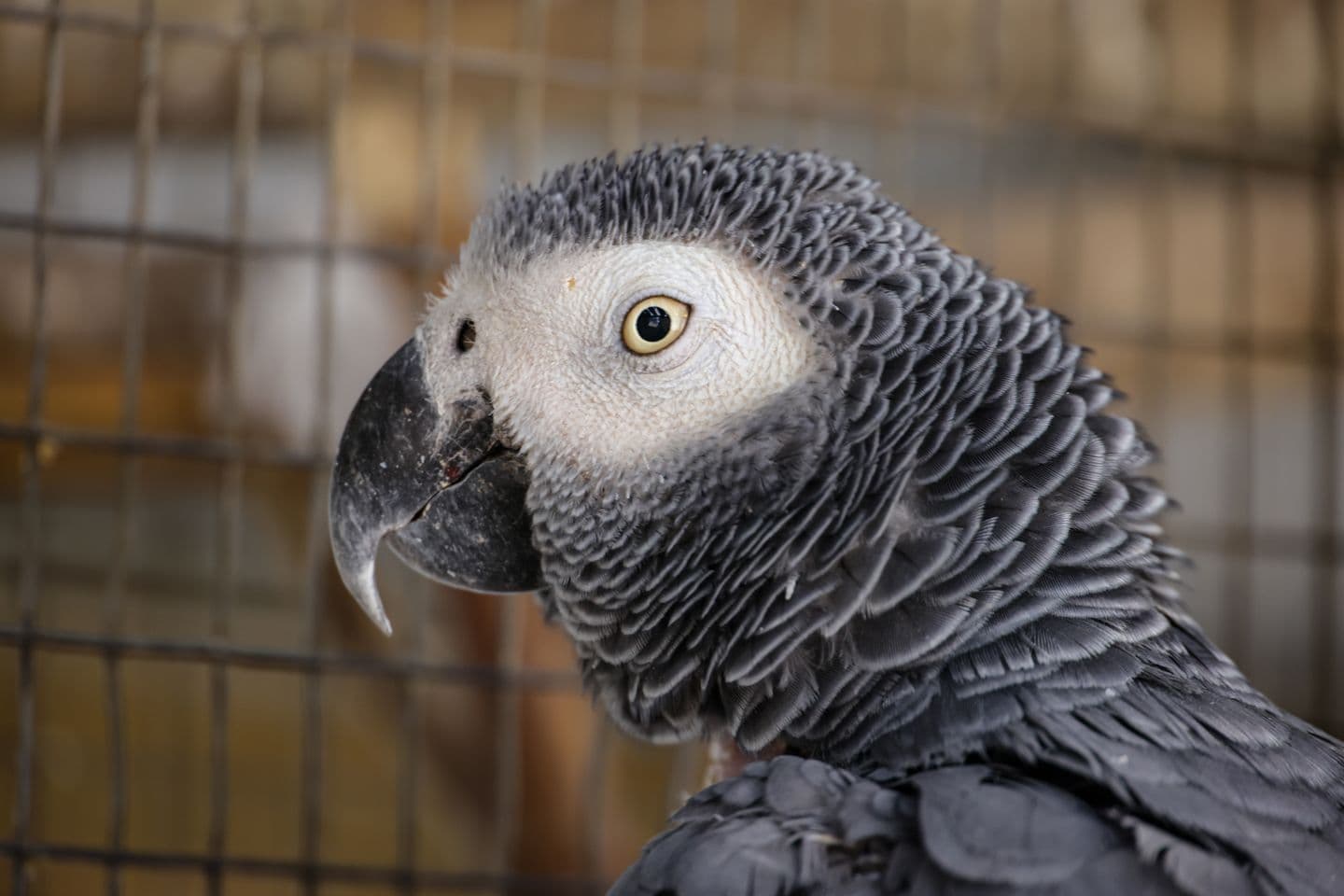
A budgie or a lovebird looks like a low cost pet next to a dog or a cat. It is small, it eats little, and it does not need daily walks. That impression is only half true. The upfront cost of a bird is usually modest, but the running cost of keeping one healthy for a decade or more adds up quietly. Before you adopt, it helps to know exactly where the money goes.
A cage is the single biggest upfront expense and also the easiest place to underspend. Small wire cages sold for budgies and lovebirds in Indian pet shops start around 350 to 500 rupees, but these are usually too small for a bird to open its wings fully, let alone fly a short hop. A cage that actually gives a small bird room to move costs closer to 2,500 to 6,000 rupees, and a well built cage for a cockatiel, conure or larger parrot can run from 8,000 rupees well past 25,000 rupees depending on size and material. Stainless steel costs more than mild steel or powder coated wire but lasts far longer and is safer, since birds chew on the bars and can ingest flaking paint or rust over time.
Add to this a set of feeding bowls, a few sturdy perches of different diameters, a couple of toys for mental stimulation, and a travel carrier for vet visits. Budget roughly 1,500 to 3,000 rupees for this starter set on top of the cage itself.
Feeding a budgie or lovebird well costs relatively little. Good quality seed mixes and millet sold by bird food suppliers in India typically run between 75 and 220 rupees per kilogram depending on the blend, and a small bird eats only a spoonful or two a day, so a kilogram lasts weeks. Add fresh vegetables, sprouted grains, and the occasional fruit, and monthly food costs for a small bird usually stay under 500 rupees. Larger parrots such as African Greys, Amazons, and macaws eat proportionally more and benefit from a wider mix of pellets, nuts, and fresh produce, which can push monthly food costs to 1,500 rupees or more.
This is where bird ownership quietly gets expensive. Avian medicine is a specialised field, and only a small number of vets across Indian cities, mostly in metros such as Mumbai, Delhi, and Bengaluru, are genuinely experienced with exotic birds rather than treating them as an afterthought to a dog and cat practice. Fees vary widely by clinic and city, so treat any figure as a rough guide rather than a fixed number, but a routine in person consultation typically runs from a few hundred rupees at a general veterinary clinic to well over a thousand rupees at a dedicated exotics practice, and that is before any tests. Diagnostics such as blood work, droppings analysis, or X-rays are priced separately and can add several thousand rupees, particularly if a bird needs emergency treatment. Online vet consultation platforms serving India also now offer avian specific advice for a few hundred rupees, which can be a useful first step for a minor concern, though a bird showing serious symptoms needs an in person exam, not a phone call. Because birds instinctively hide illness until it is advanced, an owner who skips checkups to save money often ends up paying far more later for emergency care, or loses the bird entirely.
It is worth locating an avian or exotics vet in your city before you bring a bird home, not after something goes wrong. A short phone call to confirm they see birds regularly, not occasionally, will save you a frantic search later.
If you adopt a bird from a rescue or a rehoming situation rather than acquiring one new, the biggest saving is usually not in ongoing costs but in the initial outlay. Many rescued birds already come with a cage and accessories from their previous home, and adoption fees, where they exist, are typically far lower than the price of a young bird from a breeder or shop. Some rescues also do an initial health check before rehoming, which can save you that first vet visit. The monthly cost of food, toys, and healthcare stays largely the same regardless of how the bird came to you, because that cost is about the bird's needs, not its origin.
For a small bird such as a budgie, lovebird, or cockatiel, a realistic first year, including setup, food, and at least one vet visit, lands somewhere between 6,000 and 15,000 rupees. For a larger, longer lived parrot, first year costs comfortably cross 20,000 rupees once a decent cage and richer diet are accounted for, and annual costs after that typically run several thousand rupees. None of this includes the less tangible cost of time. Birds are social animals that need daily interaction, and a bird left alone in a cage for most of its life develops behavioural problems that no amount of money fixes. Budget for the bird's time as carefully as you budget for its food.
Article content © S Vejay Anand. All rights reserved.
Birds / Getting Started
It is possible in many Indian households, but it takes real management, not just hoping for the best.
3 min read

Birds / Health
From paratyphoid to a lung condition now worrying doctors in Mumbai and Delhi, here is what every pigeon keeper and balcony feeder in India should know.
4 min read

Birds / Getting Started
Almost every Indian home has a money plant trailing along a shelf or a tulsi pot on the balcony. Most owners never think twice about it until their bird takes an interested peck, so it is worth knowin
3 min read