
Birds / Getting Started
Can Cats and Birds Live Together Safely?
It is possible in many Indian households, but it takes real management, not just hoping for the best.
3 min read
Birds / Getting Started
A door left open for a delivery, a window without mesh, a startled flutter towards the balcony. In an Indian home, an escaped bird can go from a minor scare to a real emergency within minutes, so know
A door left open for a delivery, a window without mesh, a startled flutter towards the balcony. In an Indian home, an escaped bird can go from a minor scare to a real emergency within minutes, so knowing exactly what to do matters.
The single biggest factor in getting a bird back safely is how fast you respond. Birds rarely fly far on their first dash, so if you notice the escape within a minute or two, you have a real chance.
Close the doors and windows of the room the bird is in before anything else. Turn off ceiling fans immediately. Remove other pets from the room, and dim harsh lights if the bird seems agitated. Place the open cage, stocked with a favourite treat, somewhere visible and let the bird settle and come to it in its own time.
This is the harder situation, and in Indian cities it carries extra risks that owners abroad rarely have to think about. Kites, crows, and even monkeys are common in many neighbourhoods and can see an unfamiliar, tame bird as either prey or a threat to chase off. Traffic, overhead wires, and the sheer heat of an Indian afternoon add further danger.
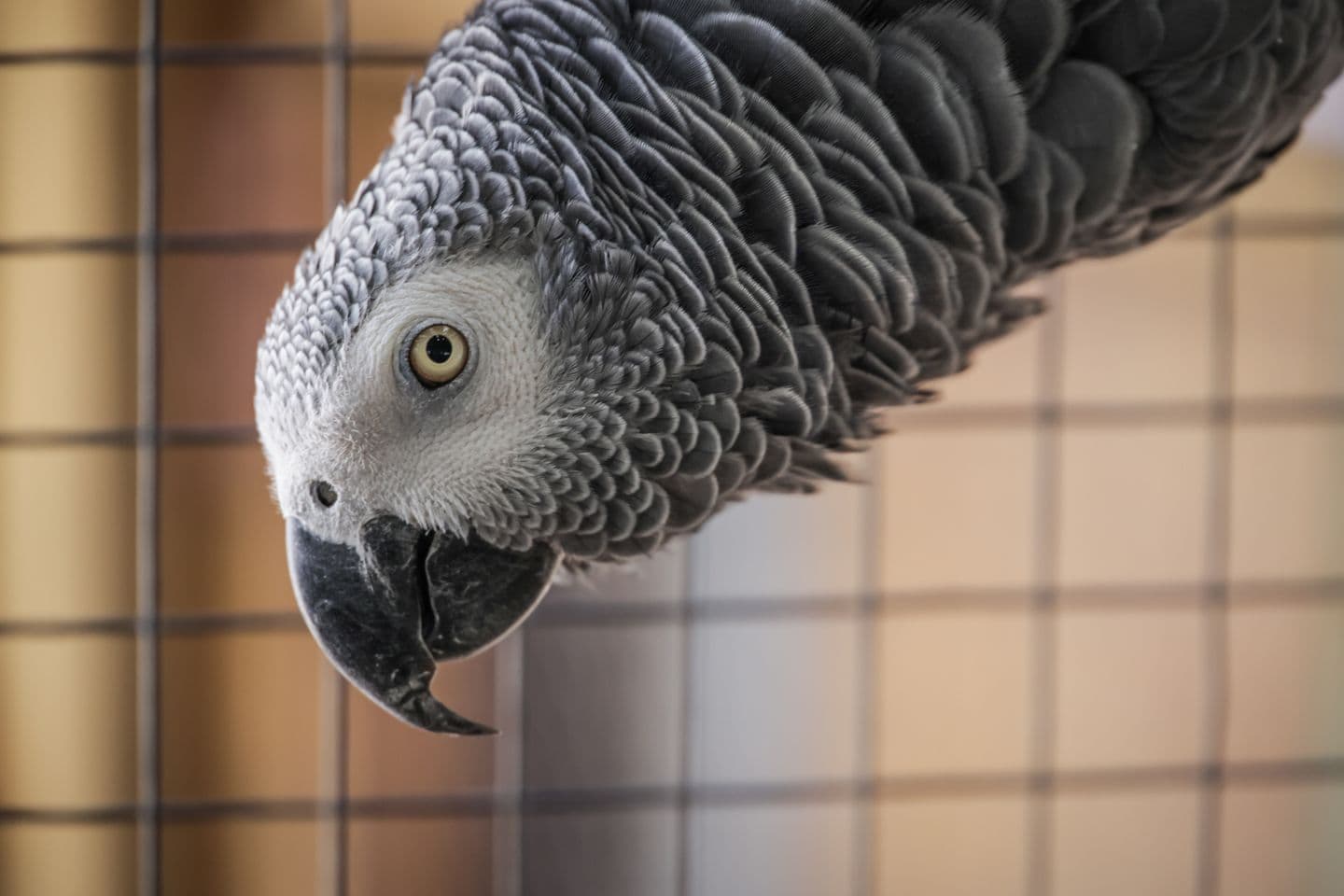
A family in Karnataka once lost their African Grey parrot when he flew out through an open door while furniture was being moved in. He was gone for five days. The family put up posters and offered a reward, and their bonded second parrot refused to eat while he was missing. He was eventually found and returned safely, a reminder that persistence, a wide public appeal, and patience do pay off even after the odds seem to have lengthened.
A little preparation makes a real difference if an escape ever does happen. Keep a clear, recent photo of your bird on your phone so you can share it instantly on a residents' WhatsApp group or with a rescue organisation. Note down any distinguishing features, such as a leg ring, an unusual marking, or a favourite call it makes, since these details help others identify your bird correctly if they spot it. If your bird has a name it responds to, make sure everyone in the household knows to call it the same way, since an unfamiliar voice using an unfamiliar name is far less likely to bring the bird back.
Article content © Ravi Teja. All rights reserved.
Birds / Getting Started
It is possible in many Indian households, but it takes real management, not just hoping for the best.
3 min read
Birds / Health
From paratyphoid to a lung condition now worrying doctors in Mumbai and Delhi, here is what every pigeon keeper and balcony feeder in India should know.
4 min read
Birds / Getting Started
Almost every Indian home has a money plant trailing along a shelf or a tulsi pot on the balcony. Most owners never think twice about it until their bird takes an interested peck, so it is worth knowin
3 min read