
Birds / Getting Started
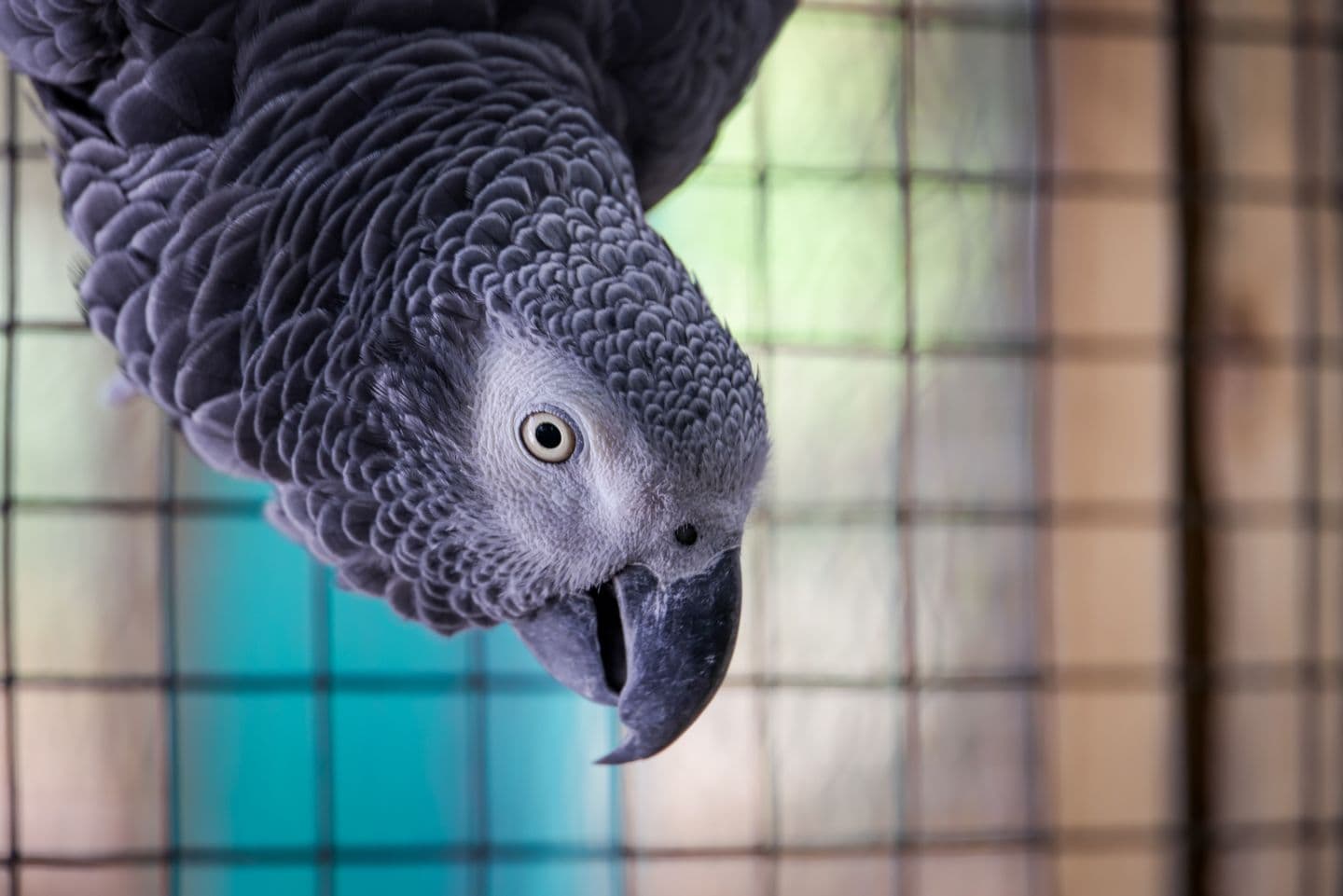
Can Cats and Birds Live Together Safely?
It is possible in many Indian households, but it takes real management, not just hoping for the best.
3 min read
Birds / Grooming
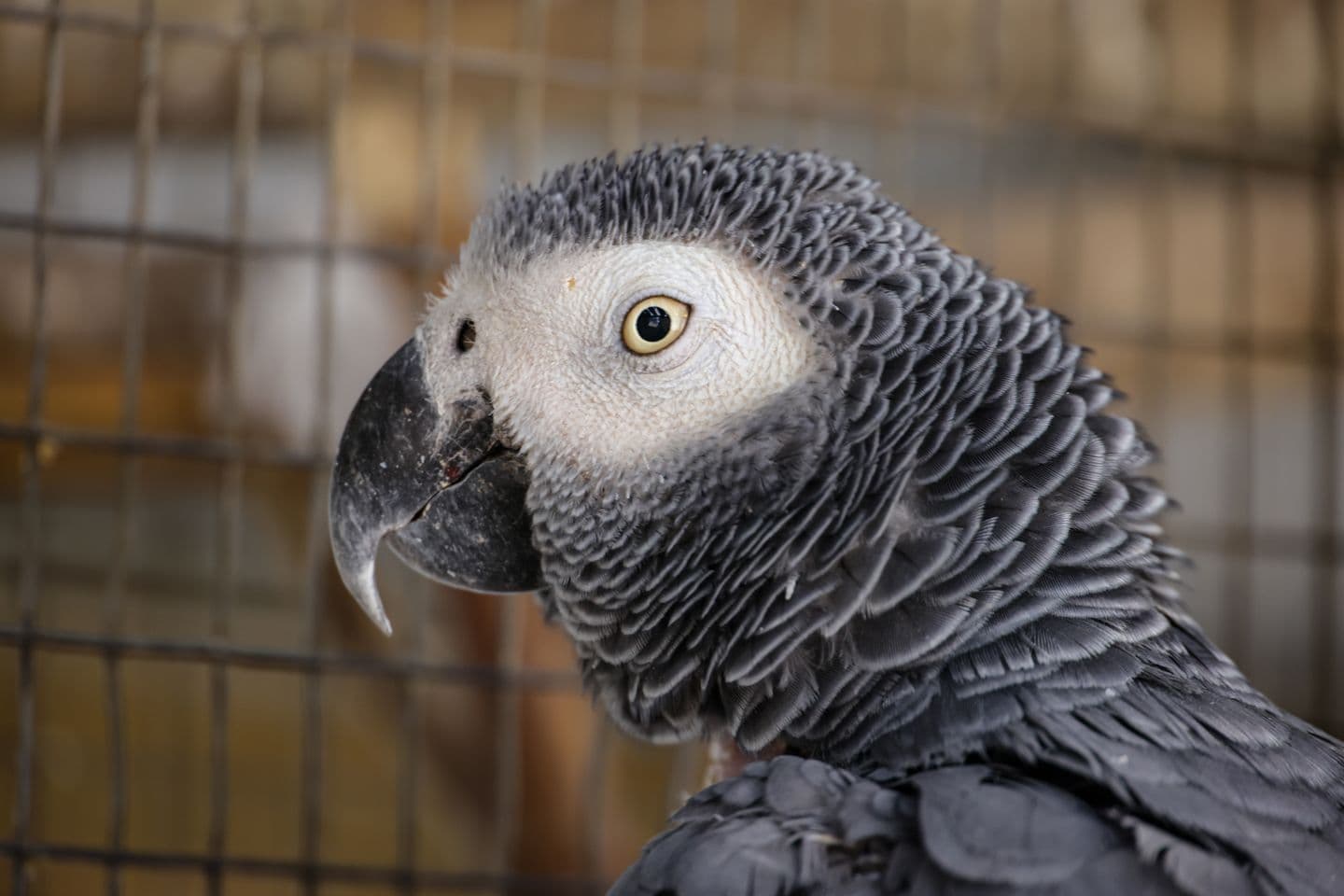
Bathing keeps feathers clean and supple, skin healthy, and preening effective, and in India's dusty cities and long, dry summers, it matters even more than owners often realise.
Bathing keeps feathers clean and supple, skin healthy, and preening effective, and in India's dusty cities and long, dry summers, it matters even more than owners often realise.
In the wild, most pet bird species bathe in rain, dew soaked leaves, or shallow puddles as a normal part of daily life. This keeps their feathers in condition for flight and helps them regulate body temperature. Indoors, without that natural moisture, feathers can dry out, and dust and dander build up faster than they would outdoors, especially in cities with heavy air pollution.
A light, screened balcony session in gentle monsoon rain can be a wonderful natural bath for a supervised, trusted bird, but only where the air is genuinely clean, never in areas with heavy traffic pollution, and never left unattended, since a sudden gust or a passing crow can turn a pleasant outing risky in seconds.
After a bath, keep your bird in a warm room away from direct fan drafts or air conditioning vents until it is fully dry. A damp bird sitting in a cold draught is at real risk of chilling. Morning baths work well for exactly this reason, since the bird has the whole warm part of the day to dry off and preen before the evening cools down.
Bathing needs shift noticeably across the year in most of India. During the hot, dry months, frequent bathing helps combat dry skin and dust buildup and most birds welcome it even daily. During the monsoon, high ambient humidity means feathers take longer to dry naturally, so it is worth bathing a little earlier in the day and keeping a closer eye on drying time. In the cooler winter months in northern India, cut back on bathing frequency and always use comfortably lukewarm rather than cold water, since a chilled, damp bird in a cold room is more vulnerable to illness.
Article content © Ravi Teja. All rights reserved.
Birds / Getting Started
It is possible in many Indian households, but it takes real management, not just hoping for the best.
3 min read
Birds / Health
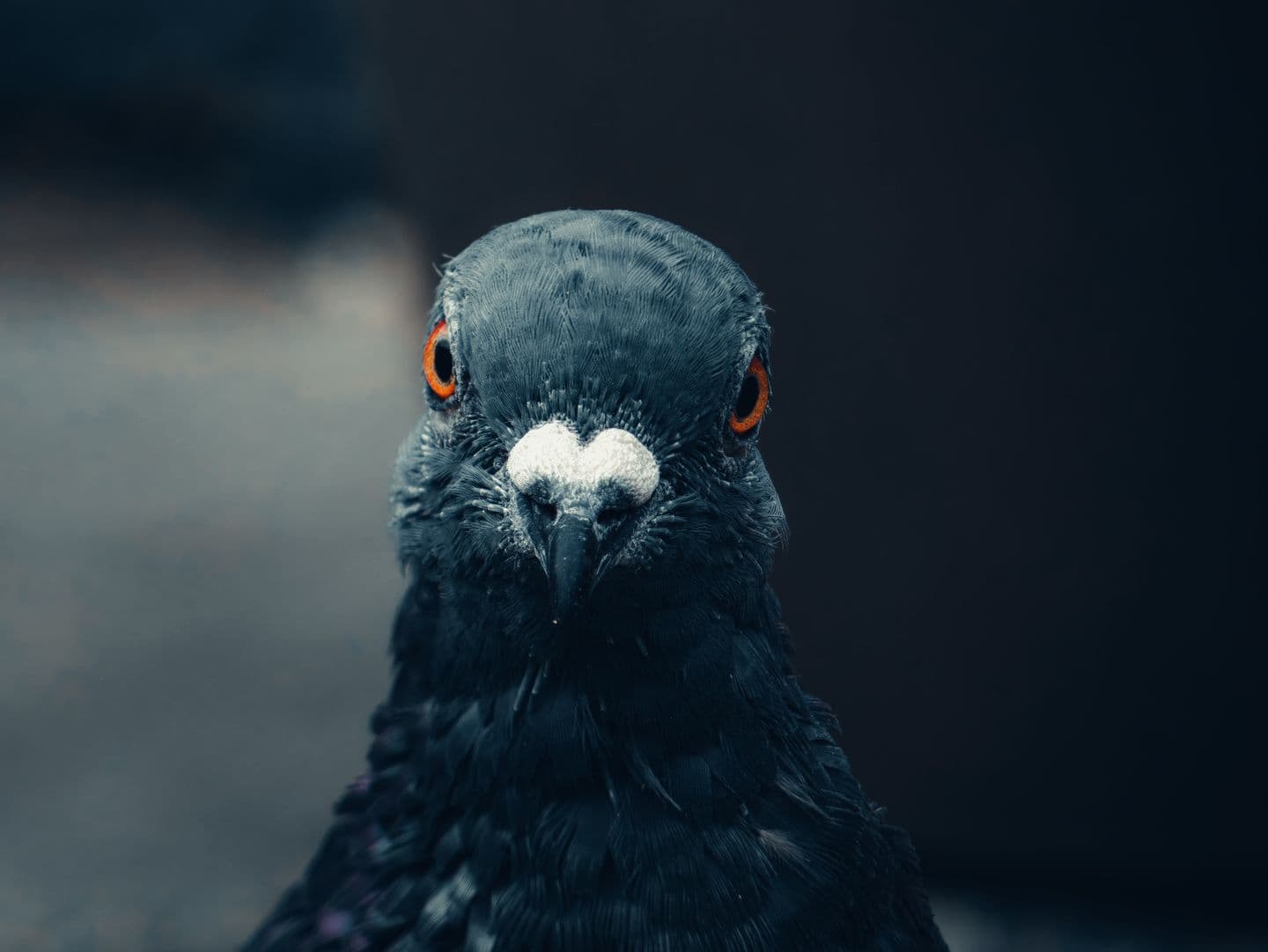
From paratyphoid to a lung condition now worrying doctors in Mumbai and Delhi, here is what every pigeon keeper and balcony feeder in India should know.
4 min read
Birds / Getting Started
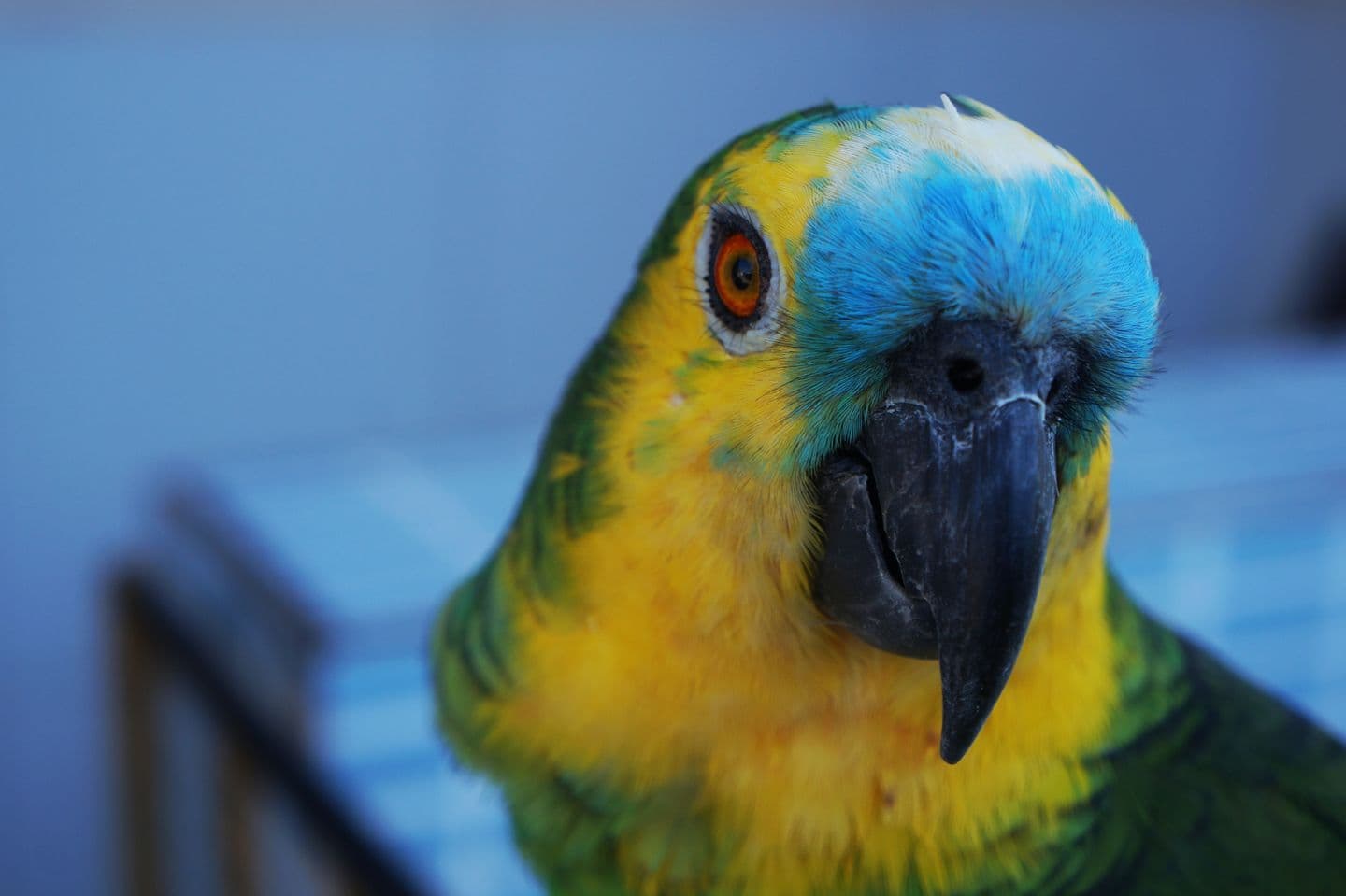
Almost every Indian home has a money plant trailing along a shelf or a tulsi pot on the balcony. Most owners never think twice about it until their bird takes an interested peck, so it is worth knowin
3 min read