
Birds / Getting Started
Can Cats and Birds Live Together Safely?
It is possible in many Indian households, but it takes real management, not just hoping for the best.
3 min read
Birds / Health
Many everyday kitchen foods that are perfectly safe for humans can be seriously dangerous, even fatal, for pet birds.
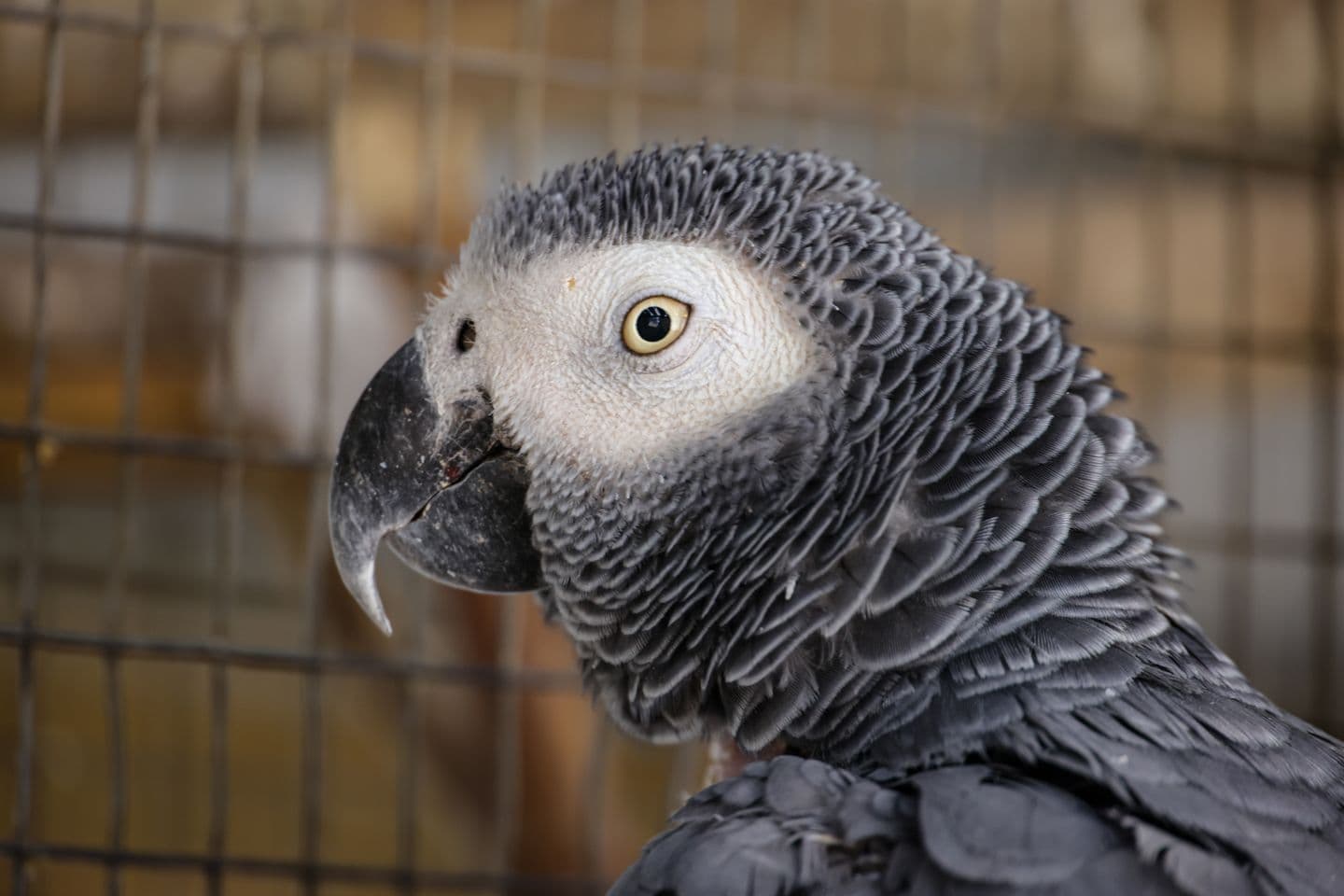
Many everyday kitchen foods that are perfectly safe for humans can be seriously dangerous, even fatal, for pet birds.
Sharing food is one of the easiest ways to bond with a pet bird, but a surprising number of common Indian kitchen staples are genuinely toxic to birds, sometimes at very small doses. Knowing this list well is one of the simplest ways to prevent an emergency.
The flesh of apples, papaya, banana, pomegranate, melon and most fresh vegetables including carrot, pumpkin, beans and leafy greens are excellent additions to a bird's diet in appropriate portions. The goal is not to fear feeding your bird fresh food, since a varied diet is genuinely healthier than a seed-only one, but simply to know which specific items to keep off the plate.
Poisoning risk is not limited to the kitchen. Several plants common in Indian homes and gardens are also toxic if chewed or nibbled by a free-flying bird, including oleander, which is a popular flowering hedge plant and one of the more dangerous ones for any pet, philodendron and other aroid houseplants, and the leaves and seeds of tobacco and datura. If your bird spends supervised time out of its cage, it is worth walking through the room beforehand and either moving houseplants out of reach or confirming the specific species is safe rather than assuming.
Do not attempt to make the bird vomit, since birds cannot vomit safely and trying will only cause additional harm. Call an avian vet or the nearest vet with bird experience immediately, note exactly what and roughly how much was eaten, and get the bird seen as quickly as possible. With toxins like persin from avocado, speed of treatment makes a real difference to the outcome.
Article content © Ravi Teja. All rights reserved.
Birds / Getting Started
It is possible in many Indian households, but it takes real management, not just hoping for the best.
3 min read
Birds / Health
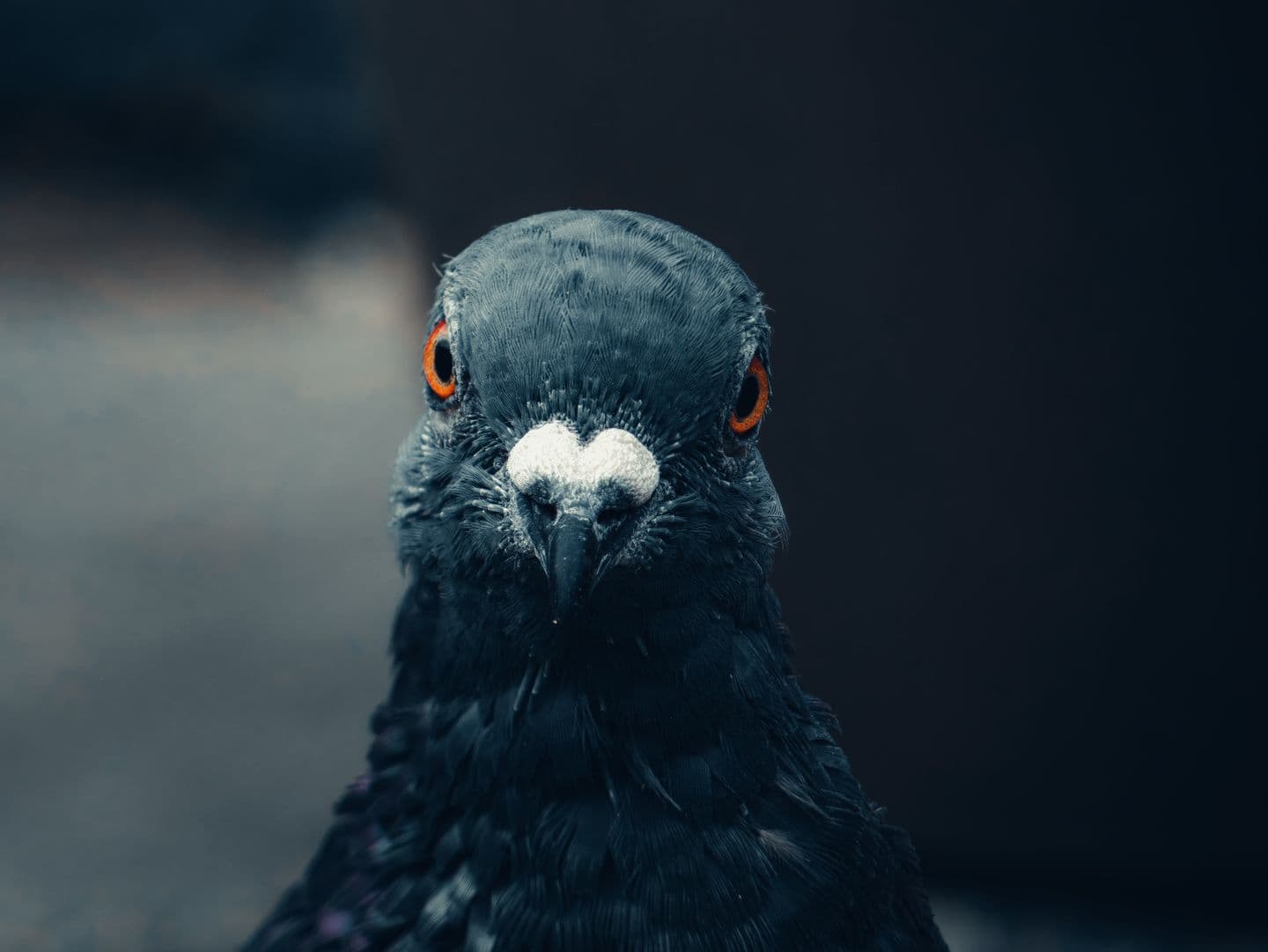
From paratyphoid to a lung condition now worrying doctors in Mumbai and Delhi, here is what every pigeon keeper and balcony feeder in India should know.
4 min read
Birds / Getting Started
Almost every Indian home has a money plant trailing along a shelf or a tulsi pot on the balcony. Most owners never think twice about it until their bird takes an interested peck, so it is worth knowin
3 min read