

Birds / Getting Started
Can Cats and Birds Live Together Safely?
It is possible in many Indian households, but it takes real management, not just hoping for the best.
3 min read
Birds / Nutrition
This is one of the most debated questions in pet bird care, and Indian owners face a slightly different version of it than owners elsewhere, largely because pellets are not always easy to find on the
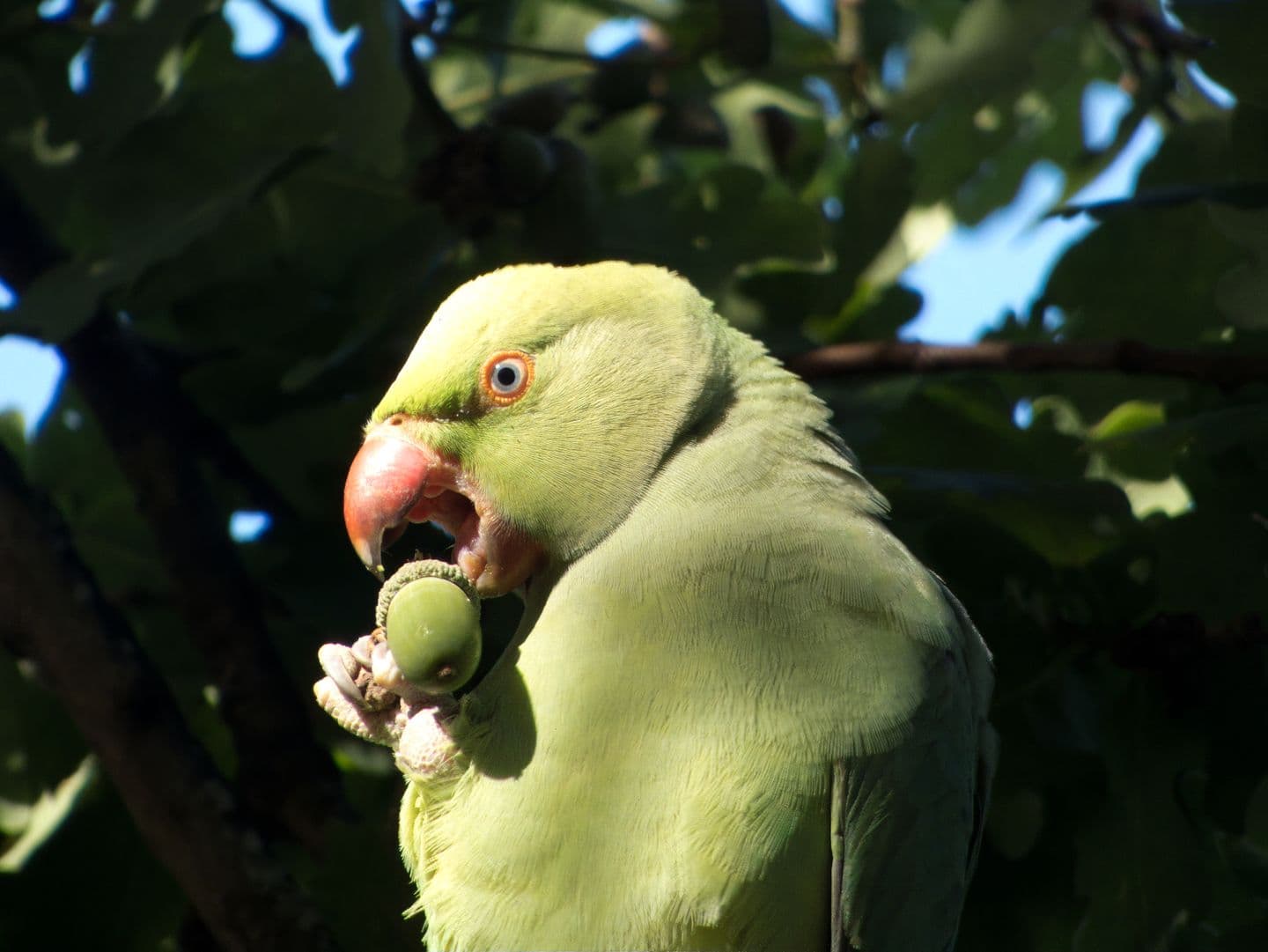
This is one of the most debated questions in pet bird care, and Indian owners face a slightly different version of it than owners elsewhere, largely because pellets are not always easy to find on the local high street.
Seeds are naturally high in fat and low in several nutrients birds need, including vitamin A, vitamin D3, calcium and certain essential amino acids. A diet built mainly around seed mix is strongly linked to obesity, fatty liver disease and poor feather condition over time. Birds also tend to pick out their favourite seeds and leave the rest, which can turn even a well-designed mix into an unbalanced one in practice.
Formulated pellets are designed to deliver complete nutrition in every bite, so a bird cannot simply pick out the tasty bits and skip the rest. Board-certified avian vets who study bird nutrition generally recommend pellets make up somewhere around 50 to 70 percent of a parrot's diet, with the remaining share coming from fresh vegetables and a smaller amount of fruit.
Good pellet brands are becoming easier to find in Indian metro cities and online, but many towns still mainly stock seed-based mixes, often labelled simply as parrot food or budgie food. If that is your situation, it does not mean your bird is doomed to poor nutrition. It means the fresh food side of the diet has to work harder to fill the gap, with daily vegetables, a controlled amount of fruit, and occasional cooked protein doing more of the nutritional heavy lifting.
Seed is not poison, and a small, controlled amount has a place in most diets, especially for smaller species. The problem is seed as the entire diet. Whatever mix of pellet, seed and fresh food you land on, the fresh vegetables and limited fruit should never be skipped.
Article content © Ravi Teja. All rights reserved.
Birds / Getting Started
It is possible in many Indian households, but it takes real management, not just hoping for the best.
3 min read

Birds / Health
From paratyphoid to a lung condition now worrying doctors in Mumbai and Delhi, here is what every pigeon keeper and balcony feeder in India should know.
4 min read

Birds / Getting Started
Almost every Indian home has a money plant trailing along a shelf or a tulsi pot on the balcony. Most owners never think twice about it until their bird takes an interested peck, so it is worth knowin
3 min read