
Birds / Getting Started
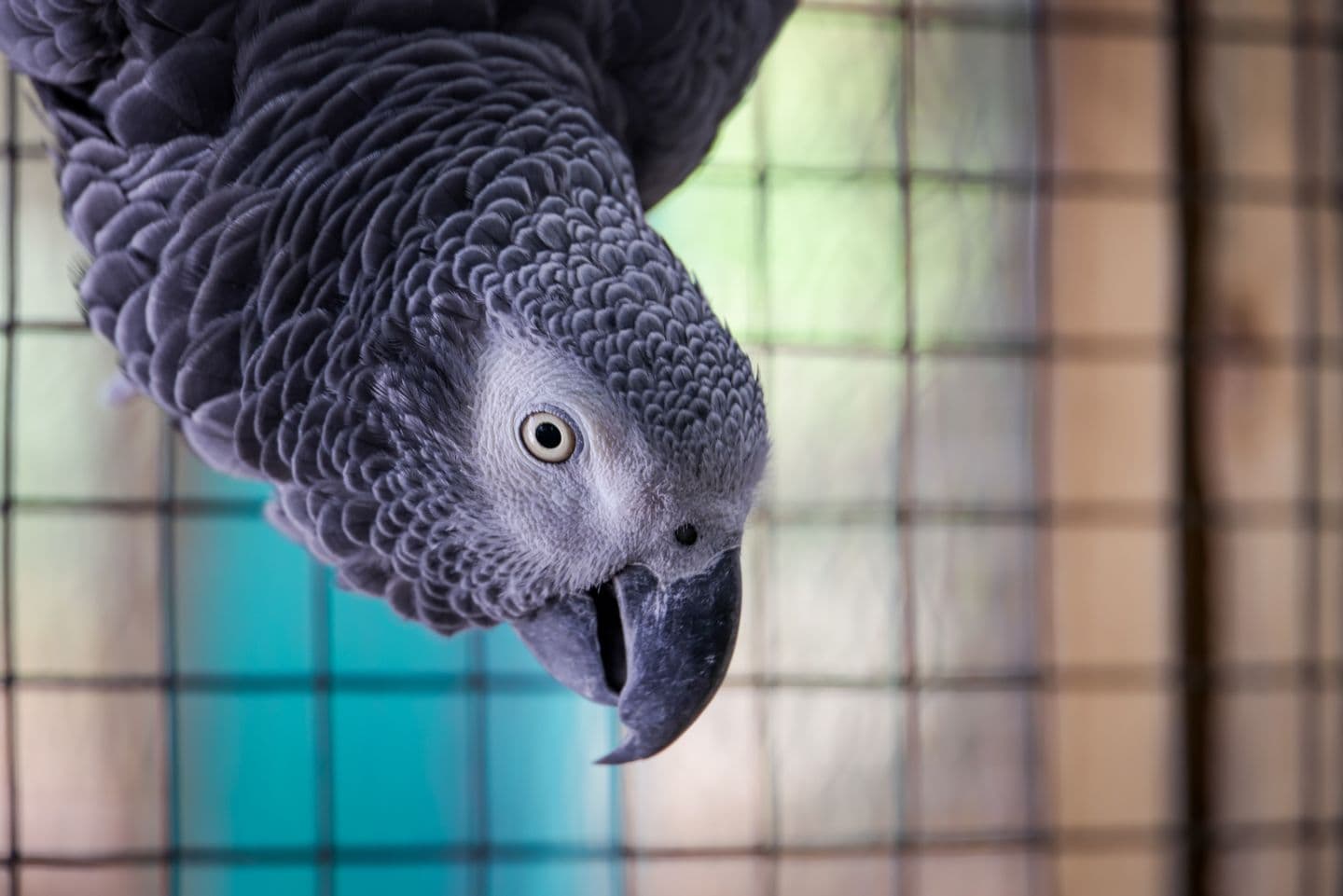
Can Cats and Birds Live Together Safely?
It is possible in many Indian households, but it takes real management, not just hoping for the best.
3 min read
Birds / Training
If your bird is biting regularly rather than occasionally, the fix is rarely a single trick. It is a combination of understanding the trigger, changing your response, and rebuilding trust step by step
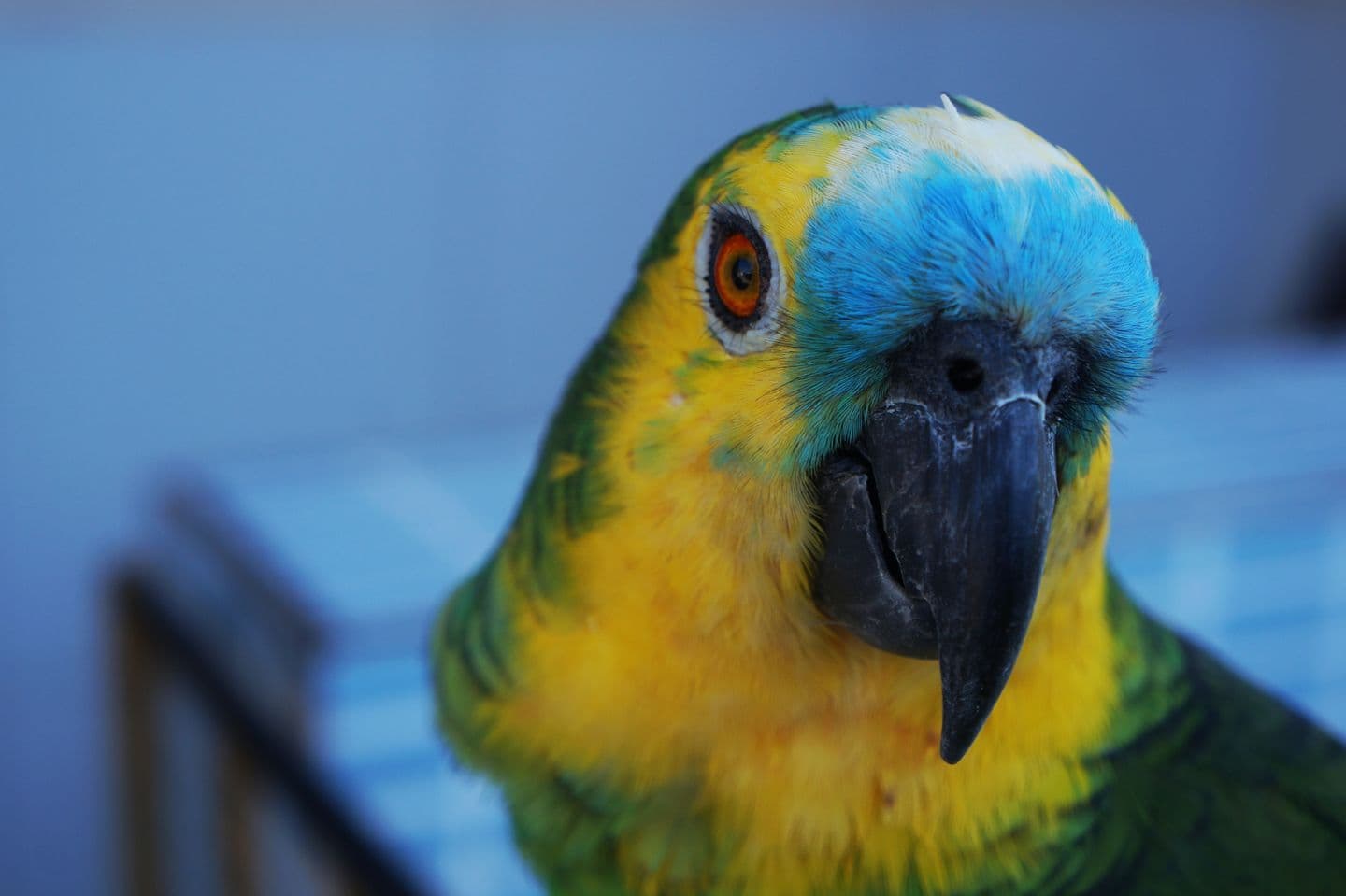
If your bird is biting regularly rather than occasionally, the fix is rarely a single trick. It is a combination of understanding the trigger, changing your response, and rebuilding trust step by step.
Before working on training, it is worth confirming your bird is healthy. A sudden or worsening biting habit, especially in an older bird, can be the first visible sign of an underlying medical issue. A quick check with an avian vet is a sensible first step, not an overreaction.
In Indian homes where several family members interact with the bird, including children, it helps enormously if everyone uses the same calm, low pitched no and the same hand signals. A bird that gets mixed signals from different people in the house often ends up biting more, simply because the rules keep changing.
A small piece of roasted foxtail millet, a sliver of fresh fruit such as apple or papaya, or a single sunflower seed all work well as high value rewards without needing anything imported or specialised. Keep the piece tiny, no bigger than what the bird can finish in one or two bites, so training sessions can include many quick repetitions rather than filling the bird up after the first few tries.
Article content © S Vejay Anand. All rights reserved.
Birds / Getting Started
It is possible in many Indian households, but it takes real management, not just hoping for the best.
3 min read
Birds / Health
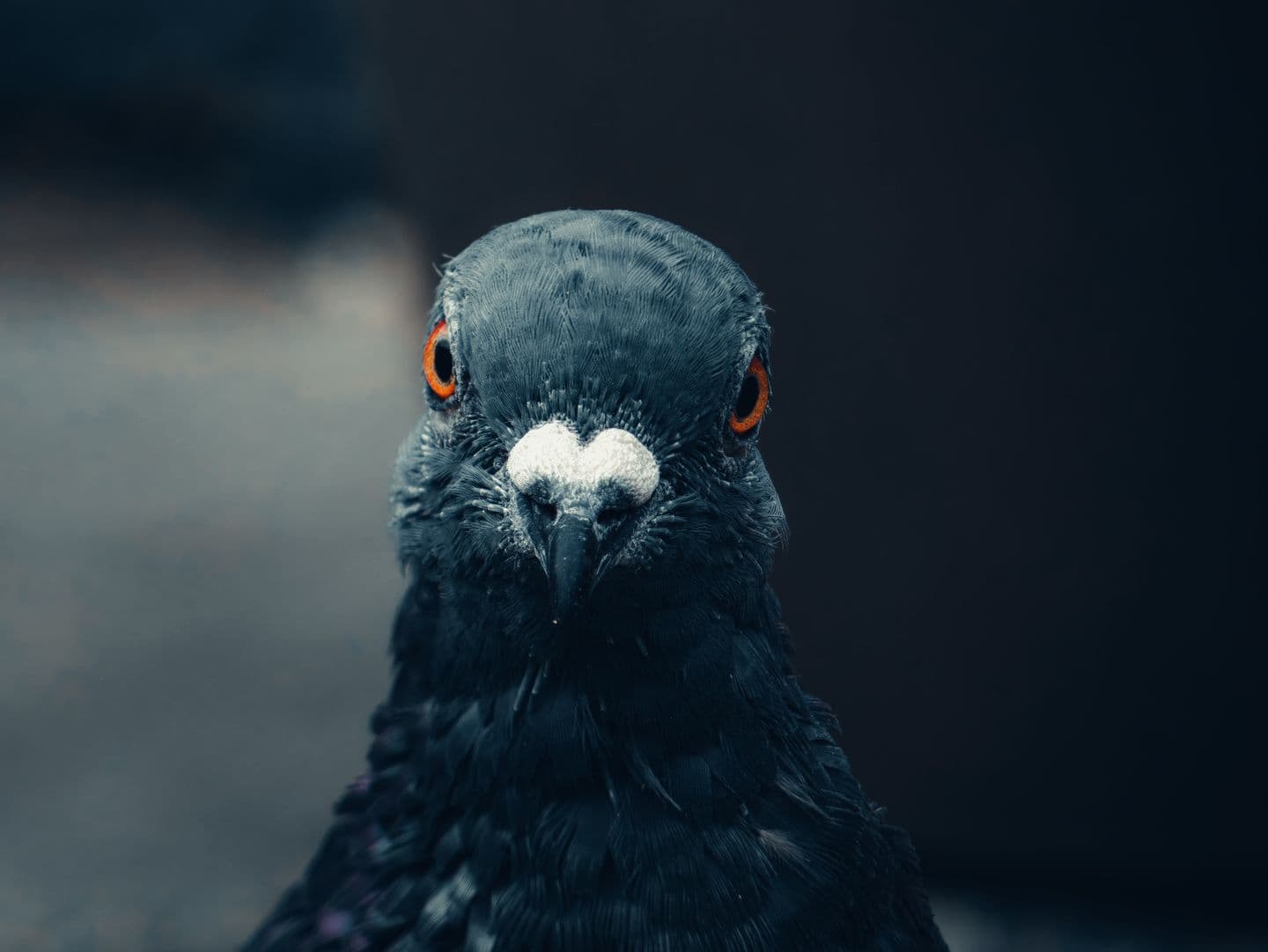
From paratyphoid to a lung condition now worrying doctors in Mumbai and Delhi, here is what every pigeon keeper and balcony feeder in India should know.
4 min read
Birds / Getting Started
Almost every Indian home has a money plant trailing along a shelf or a tulsi pot on the balcony. Most owners never think twice about it until their bird takes an interested peck, so it is worth knowin
3 min read