
Birds / Getting Started
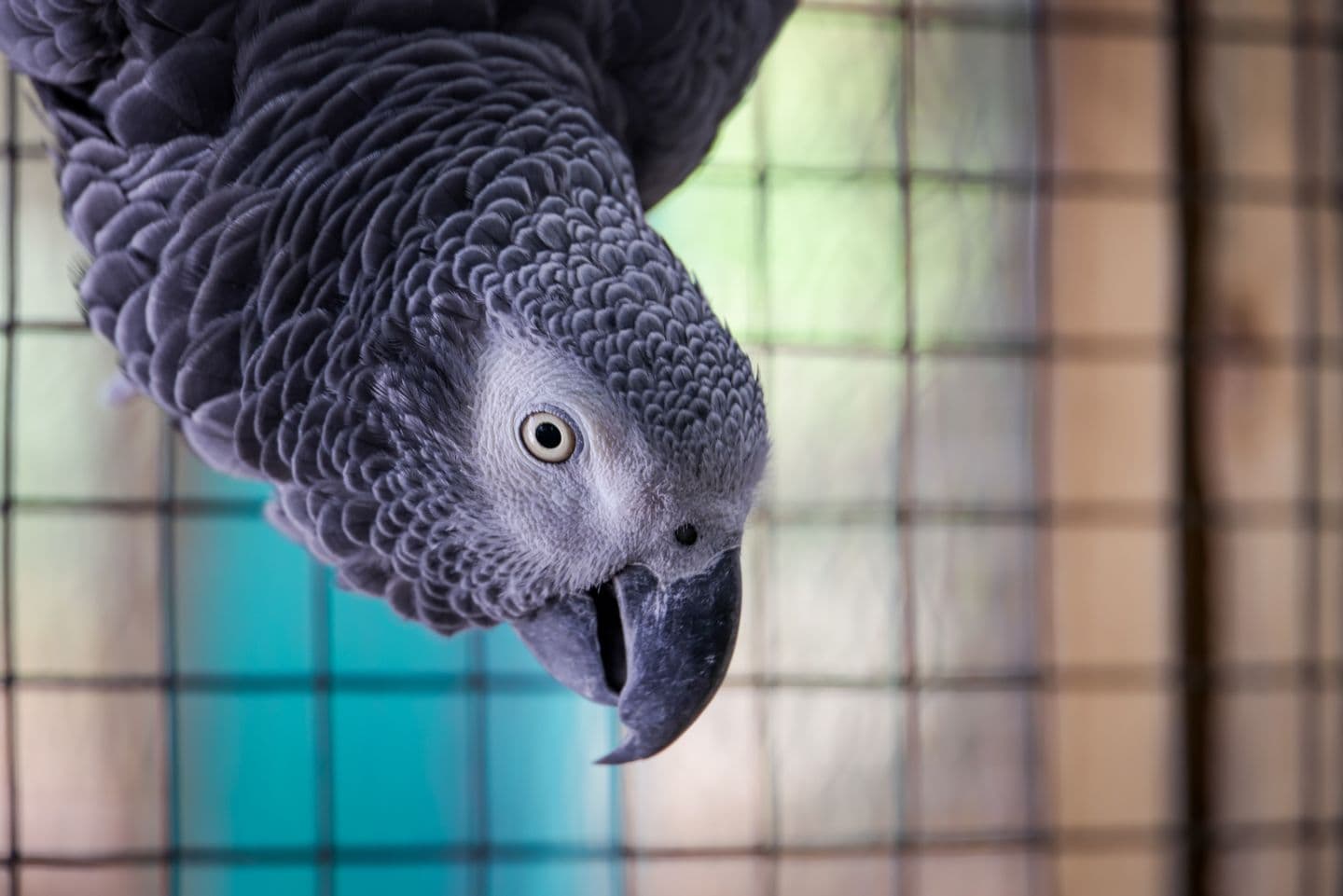
Can Cats and Birds Live Together Safely?
It is possible in many Indian households, but it takes real management, not just hoping for the best.
3 min read
Birds / Training
Birds are intelligent, social animals, and just like people, they can genuinely struggle when their emotional needs go unmet. Recognising the signs early makes recovery far more likely.
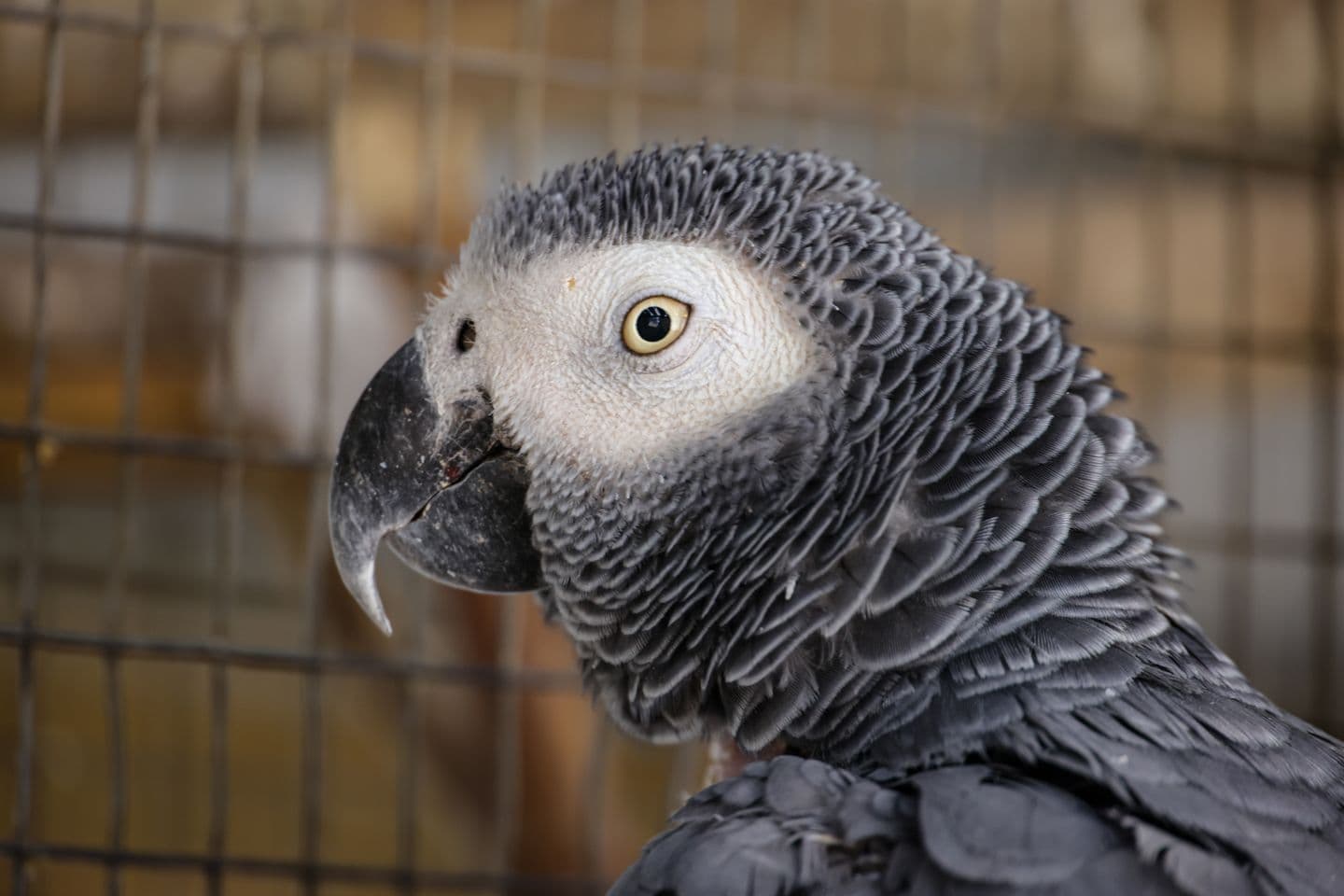
Birds are intelligent, social animals, and just like people, they can genuinely struggle when their emotional needs go unmet. Recognising the signs early makes recovery far more likely.
Because birds instinctively hide signs of sickness as a survival strategy, a sudden change in mood or energy is always worth a vet visit before assuming the cause is purely emotional. An avian vet can check for infections, nutritional gaps or other physical issues that might be sitting underneath what looks like sadness.
Some avian vets do occasionally prescribe medication for severe, persistent cases, but this is a decision for a qualified avian veterinarian only, made after ruling out medical causes and trying environmental changes first. This is never something to attempt on your own.
Some Indian bird owners notice their birds seem a little quieter or less playful through the long grey stretches of the monsoon, when natural light is lower and outdoor time or window perching is more limited. This is usually mild and temporary rather than true depression, but keeping indoor lighting bright during the day and maintaining the usual play routine through the rainy months helps prevent a genuine low mood from setting in.
Most birds respond well to a combination of routine, enrichment and patient companionship. Recovery can take weeks rather than days, and that is entirely normal. Consistency matters far more than any single dramatic change.
Article content © Ravi Teja. All rights reserved.
Birds / Getting Started
It is possible in many Indian households, but it takes real management, not just hoping for the best.
3 min read
Birds / Health
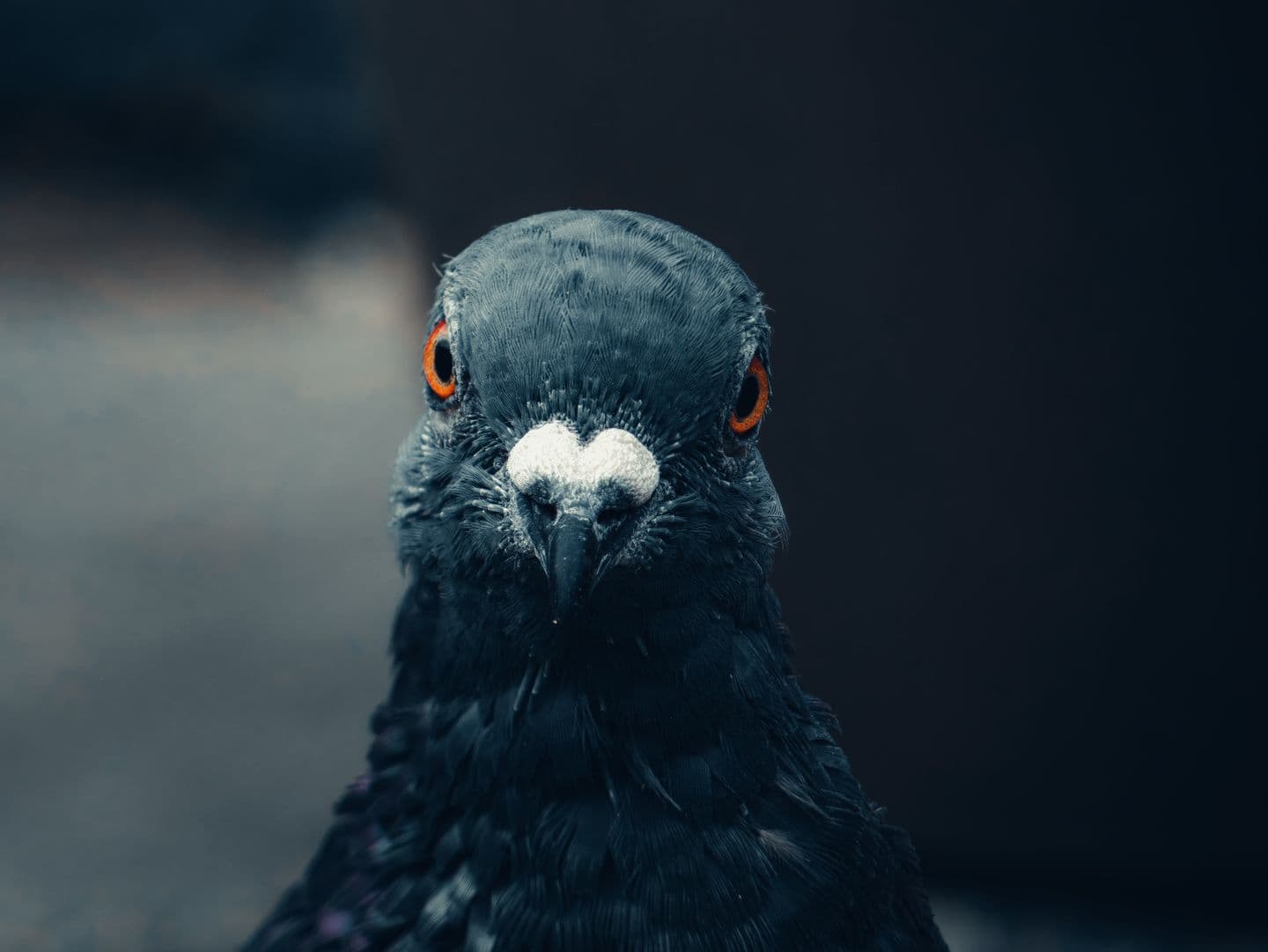
From paratyphoid to a lung condition now worrying doctors in Mumbai and Delhi, here is what every pigeon keeper and balcony feeder in India should know.
4 min read
Birds / Getting Started
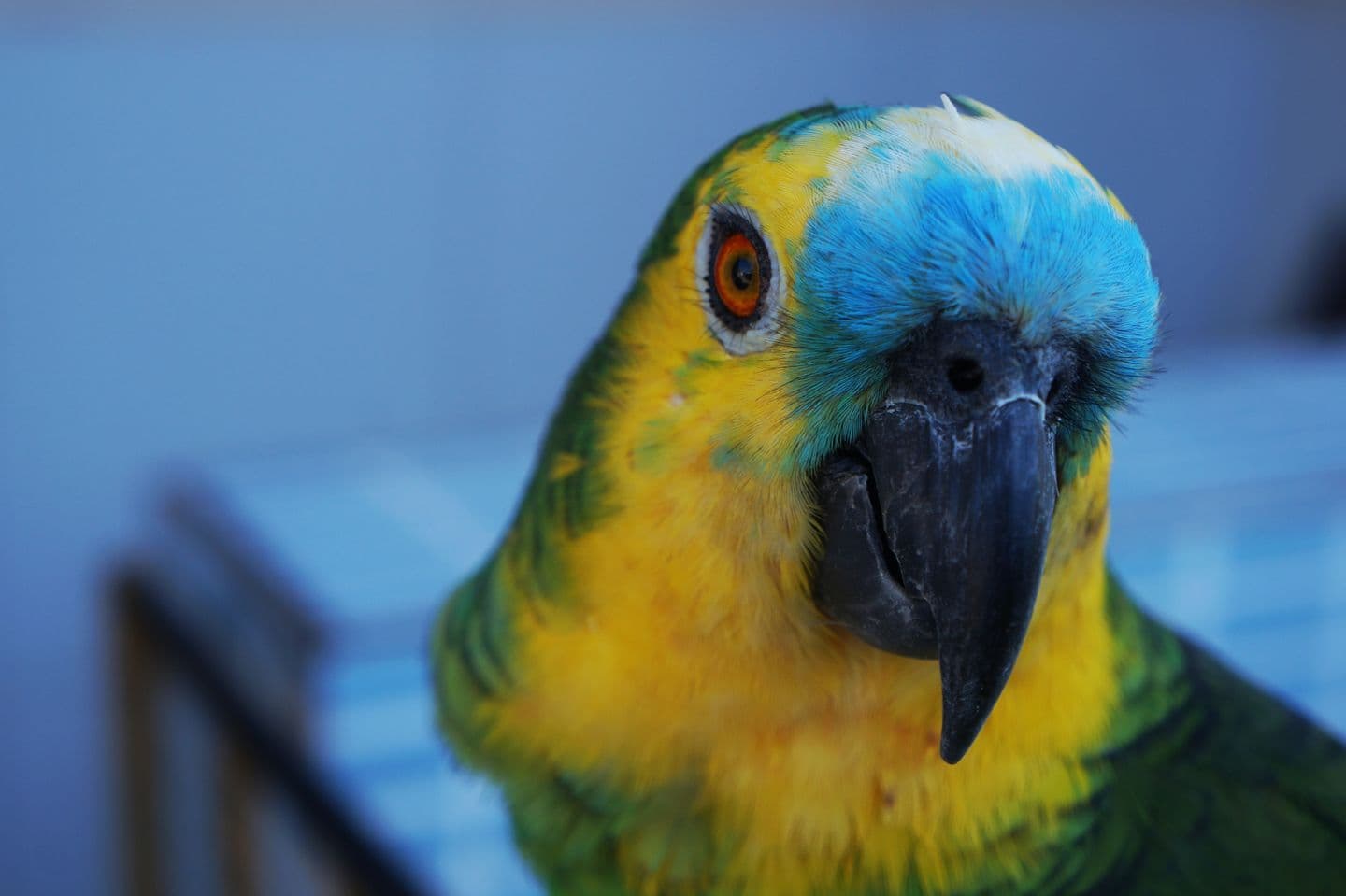
Almost every Indian home has a money plant trailing along a shelf or a tulsi pot on the balcony. Most owners never think twice about it until their bird takes an interested peck, so it is worth knowin
3 min read