
Birds / Getting Started
Can Cats and Birds Live Together Safely?
It is possible in many Indian households, but it takes real management, not just hoping for the best.
3 min read
Birds / Training
A dog's prey drive around a small, fast-moving bird is a real instinct, not a training failure, and it varies significantly by individual dog rather than simply by breed. The goal of training is not t
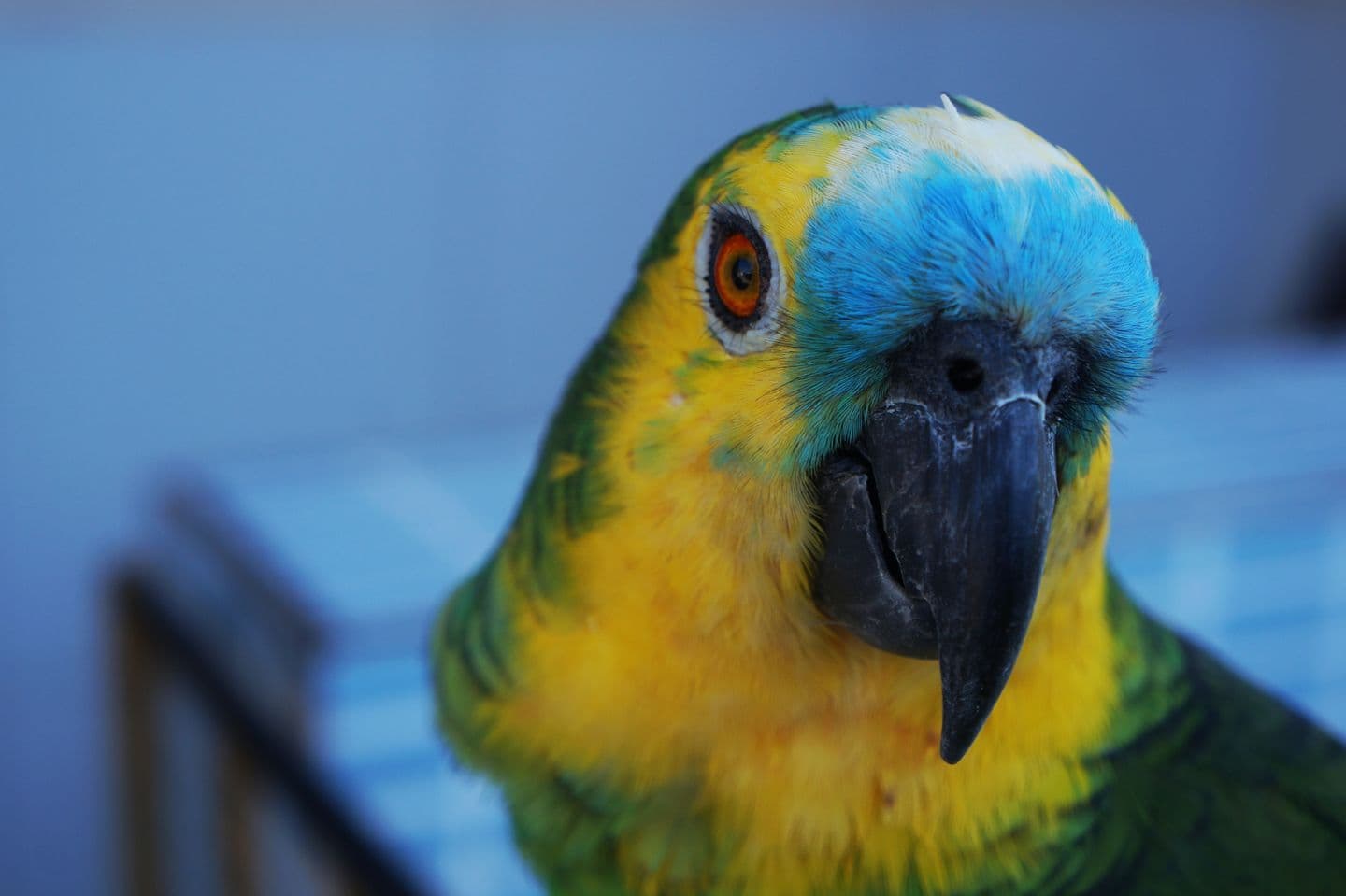
Many Indian homes have both, and with the right groundwork, dogs and birds can share a house safely.
A dog's prey drive around a small, fast-moving bird is a real instinct, not a training failure, and it varies significantly by individual dog rather than simply by breed. The goal of training is not to eliminate this instinct entirely, which is unrealistic, but to build enough impulse control and calm association that the dog can be reliably trusted around the bird under the right conditions.
Begin introductions with the bird safely inside its cage and the dog on a leash at a distance where it can see the bird without fixating intensely. Reward calm behaviour, a relaxed body, glancing at the bird and then back at you, generously with treats and praise. Gradually decrease the distance over several sessions, always retreating back to a distance where the dog can stay calm if it starts to fixate.
A dog that reliably responds to "leave it" and can settle calmly on command gives you a genuine safety tool for the moments the bird is out of its cage. These cues are best built up in low-distraction situations first, then practised with the bird present once the dog has a solid foundation elsewhere.
Even a dog that has shown months of calm, reliable behaviour around a bird should not be left alone with it unsupervised, since a sudden movement, noise or unexpected event can trigger an instinct no amount of training fully removes. Treat calm supervised time as the goal, not unsupervised free access.
Birds can also become stressed simply by a dog's presence, even a calm, well-trained one, so watch the bird's body language as closely as the dog's during introductions. A cage placed where the bird can retreat visually, behind a piece of furniture or with a partial cover, gives it a sense of control that makes the whole arrangement easier for everyone.
For a dog with a strong prey drive or a breed history that includes bird hunting, a well-fitted basket muzzle during the earliest supervised sessions with the bird out of its cage adds a genuine safety margin while the dog is still learning, without preventing it from panting or drinking normally. This is not a permanent measure for most dogs, more a temporary tool while trust is being built, and it should be introduced and made comfortable to wear well before it is ever used around the bird, so the muzzle itself does not become an added source of stress during an already high-stakes introduction.
Article content © S Vejay Anand. All rights reserved.
Birds / Getting Started
It is possible in many Indian households, but it takes real management, not just hoping for the best.
3 min read
Birds / Health
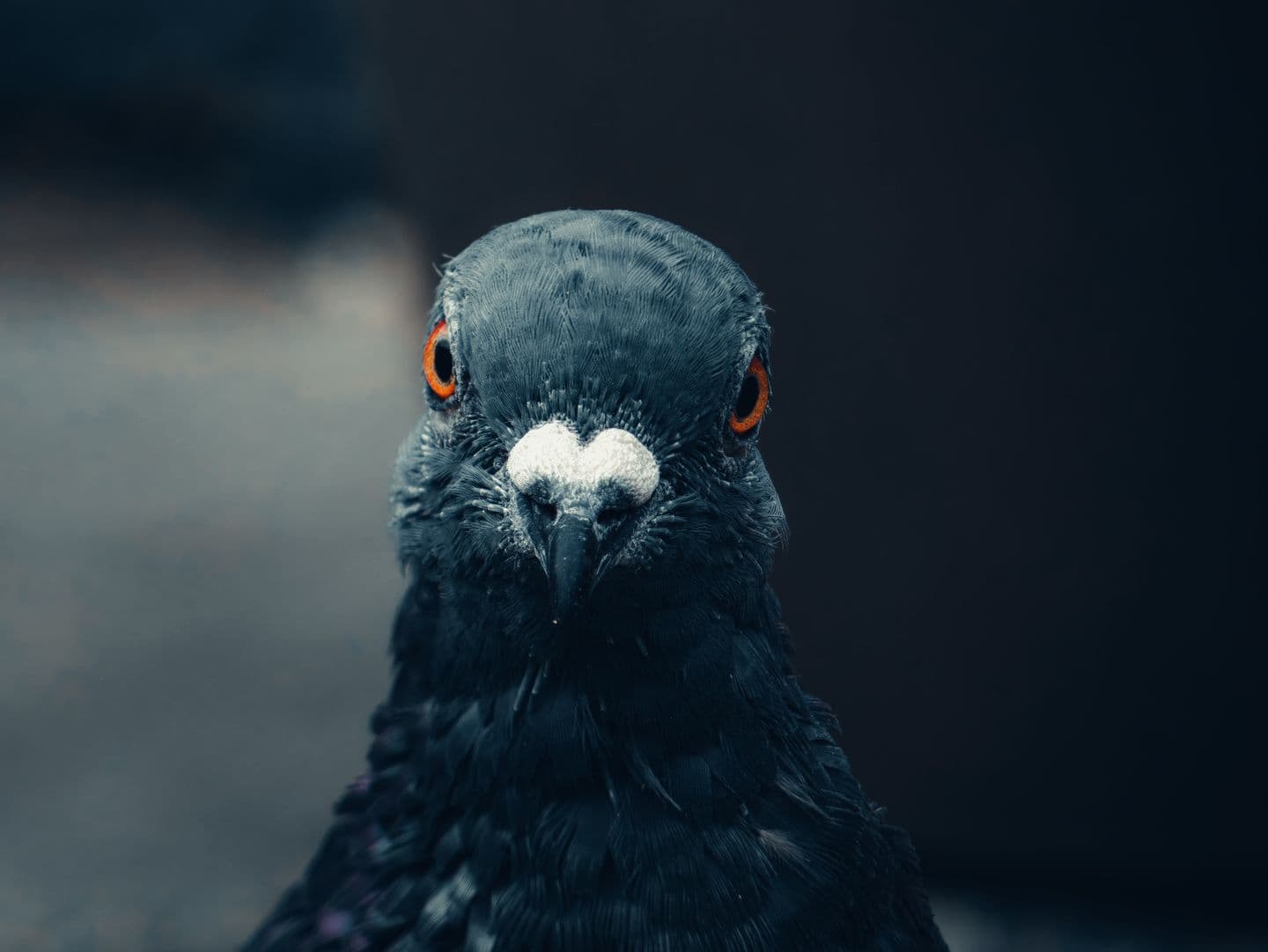
From paratyphoid to a lung condition now worrying doctors in Mumbai and Delhi, here is what every pigeon keeper and balcony feeder in India should know.
4 min read
Birds / Getting Started
Almost every Indian home has a money plant trailing along a shelf or a tulsi pot on the balcony. Most owners never think twice about it until their bird takes an interested peck, so it is worth knowin
3 min read