
Birds / Getting Started
Can Cats and Birds Live Together Safely?
It is possible in many Indian households, but it takes real management, not just hoping for the best.
3 min read
Birds / Training
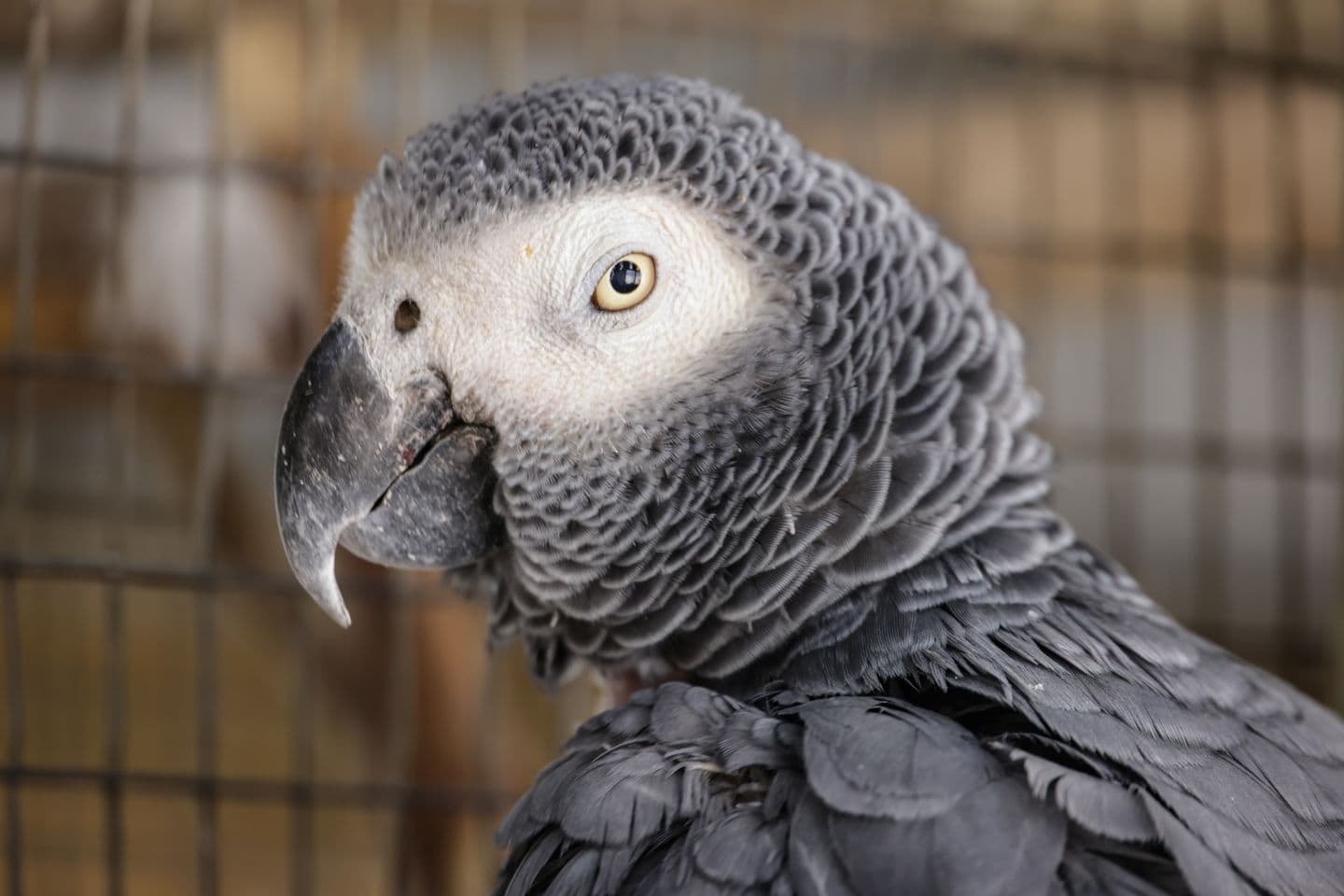
One of the most useful pieces of bird body language happens in a fraction of a second and is easy to miss if you do not know to look for it.
One of the most useful pieces of bird body language happens in a fraction of a second and is easy to miss if you do not know to look for it.
Eye pinning, sometimes called eye flashing, is the rapid contraction and dilation of a bird's pupils, visible as a quick flick between wide and narrow. Unlike in humans, where pupil size is an automatic reflex, parrots have some voluntary control over this and use it as a genuine form of communication. It is especially easy to spot in species with light coloured irises against dark pupils, including many amazons, macaws, African greys and the Poicephalus group such as Senegal and Meyer's parrots.
Eye pinning on its own is not a message, it is closer to an exclamation mark. The meaning depends entirely on the body language around it.
The same fast pupil flicker can mean delight or displeasure, so it should never be read in isolation. Check the rest of the bird's body at the same time, relaxed, sleek feathers and a soft posture generally point toward positive excitement, while puffed feathers, a rigid stance, an open beak or a fanned tail point toward overstimulation or an oncoming warning bite.
Occasional eye pinning during normal daily interactions is completely healthy and expected. It becomes a concern when it appears alongside other symptoms, including lethargy, reduced appetite, fluffed feathers for long stretches, discharge or swelling around the eye, or any change in vision such as the bird bumping into familiar objects. In that context, book an avian vet visit rather than assuming it is simply excitement, since eye pinning by itself is a behaviour and not an eye condition, but it can sometimes appear alongside genuine illness.
Once you start noticing eye pinning, you will likely see it several times a day, and over time it becomes one of the clearest early signals your bird gives you, often a second or two before a bite, a word, or a burst of happy energy, giving you a useful head start on responding the right way.
Popular Indian companion species such as budgerigars, cockatiels, lovebirds and the Indian ringneck and Alexandrine parakeets have very dark irises, which makes the pupil harder to distinguish and eye pinning far less visible than in species like African greys or macaws. With these birds, it is more useful to rely on feather position, posture, tail movement and vocalisation as your main body language cues, rather than watching for a flash in the eyes you may never clearly catch.
Article content © Ravi Teja. All rights reserved.
Birds / Getting Started
It is possible in many Indian households, but it takes real management, not just hoping for the best.
3 min read
Birds / Health
From paratyphoid to a lung condition now worrying doctors in Mumbai and Delhi, here is what every pigeon keeper and balcony feeder in India should know.
4 min read
Birds / Getting Started
Almost every Indian home has a money plant trailing along a shelf or a tulsi pot on the balcony. Most owners never think twice about it until their bird takes an interested peck, so it is worth knowin
3 min read