
Birds / Getting Started
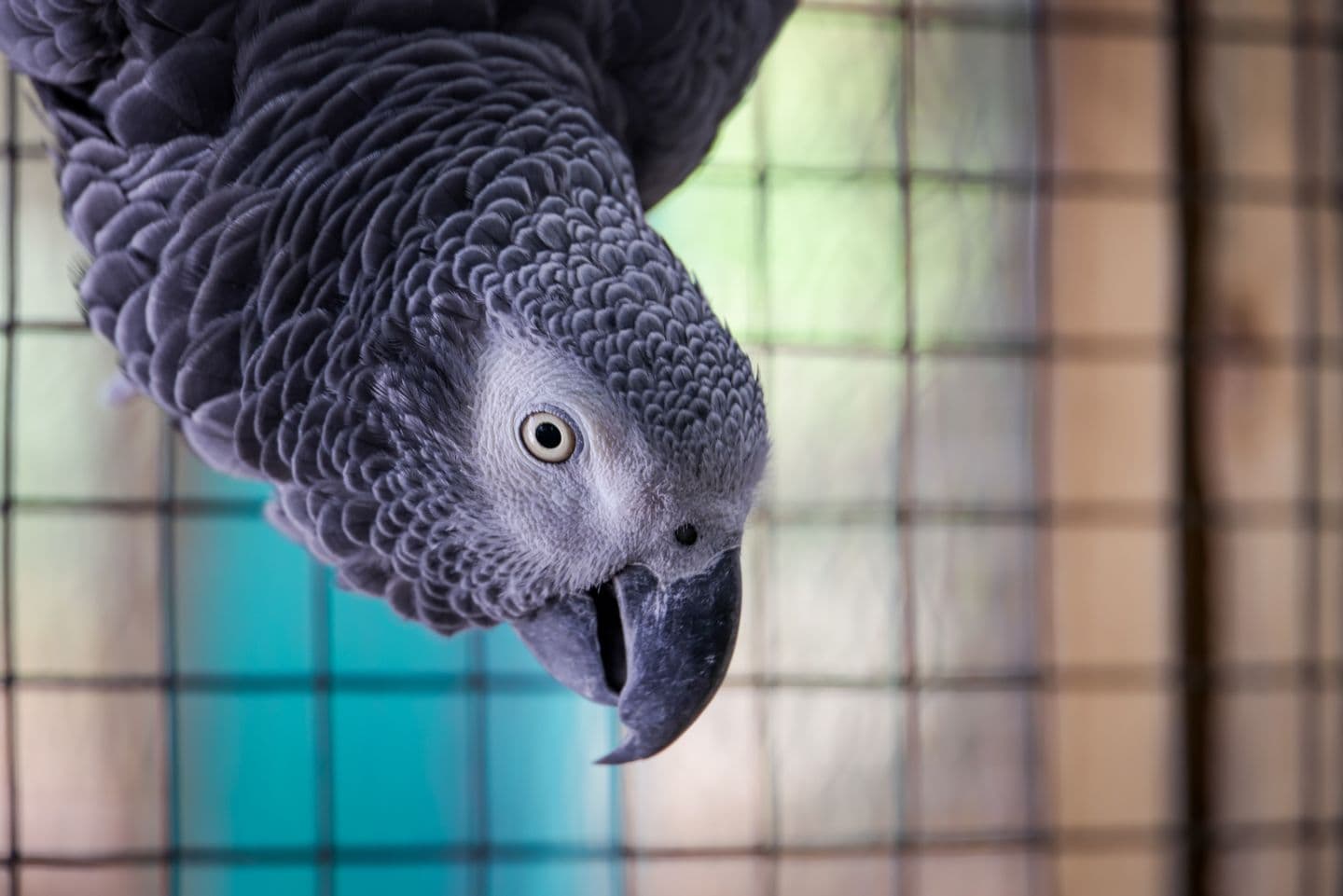
Can Cats and Birds Live Together Safely?
It is possible in many Indian households, but it takes real management, not just hoping for the best.
3 min read
Birds / Training
Petting a parrot is not the same as petting a dog or cat. Get it wrong and you risk a bite. Get it right and you build one of the deepest bonds a bird can offer a person.
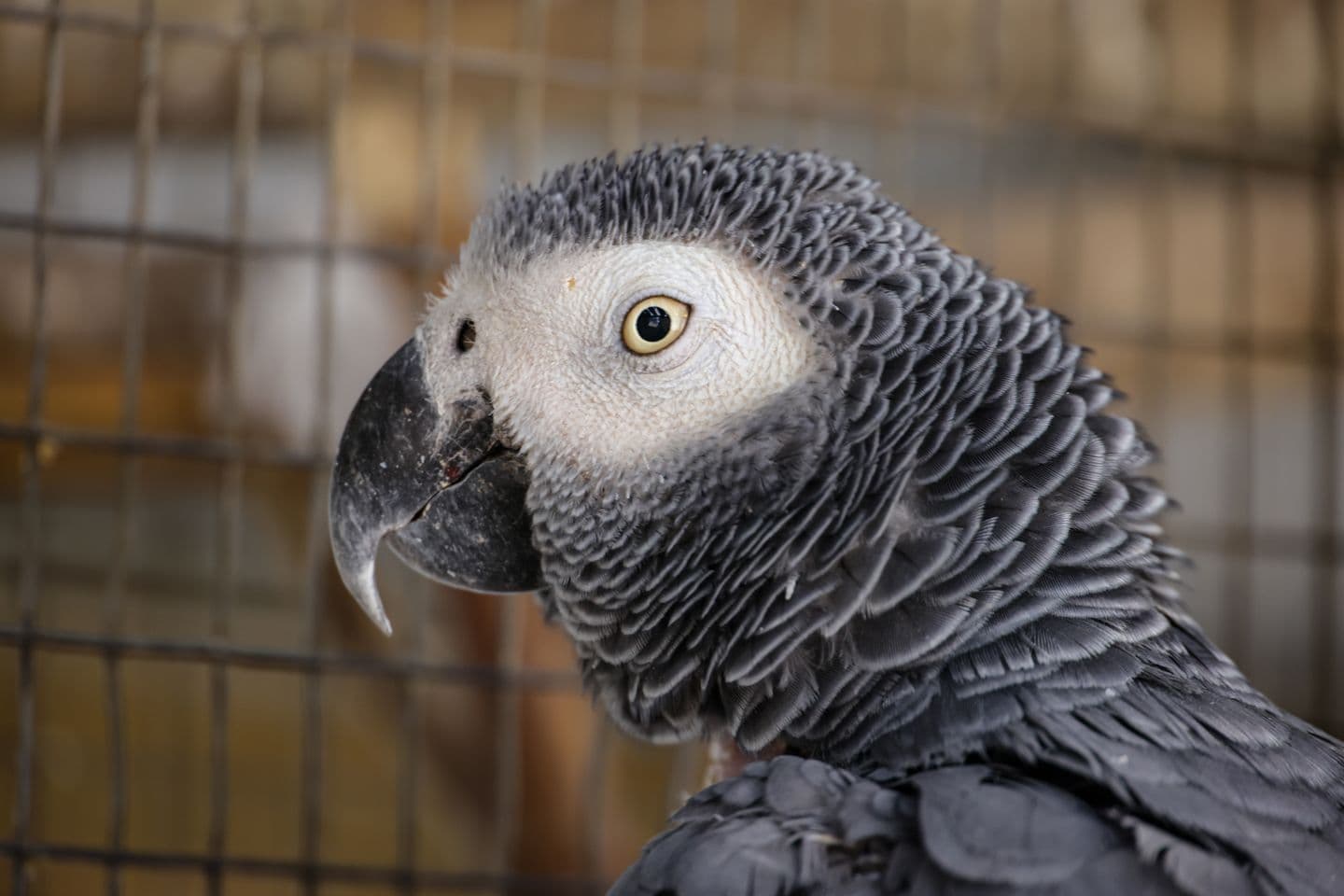
Petting a parrot is not the same as petting a dog or cat. Get it wrong and you risk a bite. Get it right and you build one of the deepest bonds a bird can offer a person.
A bird that avoids your hand is not necessarily unfriendly. Many birds sold in Indian pet markets have had limited early handling, and even hand raised birds can go through phases where they simply are not in the mood. Respecting that is the first step toward a bird that eventually seeks out petting on its own terms.
Stick mainly to the head, neck and feet. Stroking the back, wings, tail or underside can mimic courtship behaviour in many parrot species and may trigger hormonal or possessive behaviour, particularly in adult birds. If your bird suddenly becomes clingy, snappy or starts regurgitating for you after a petting session, ease off touch below the neck for a while.
Once a bird accepts head and neck touch comfortably, it becomes noticeably easier to gently check its body during a home health check, such as feeling the keel bone for weight changes or examining the feet and vent area. This same comfort with handling also makes trips to the avian vet considerably less stressful for the bird, since it is less likely to panic at being touched by an unfamiliar person in an unfamiliar room.
Article content © Ravi Teja. All rights reserved.
Birds / Getting Started
It is possible in many Indian households, but it takes real management, not just hoping for the best.
3 min read
Birds / Health
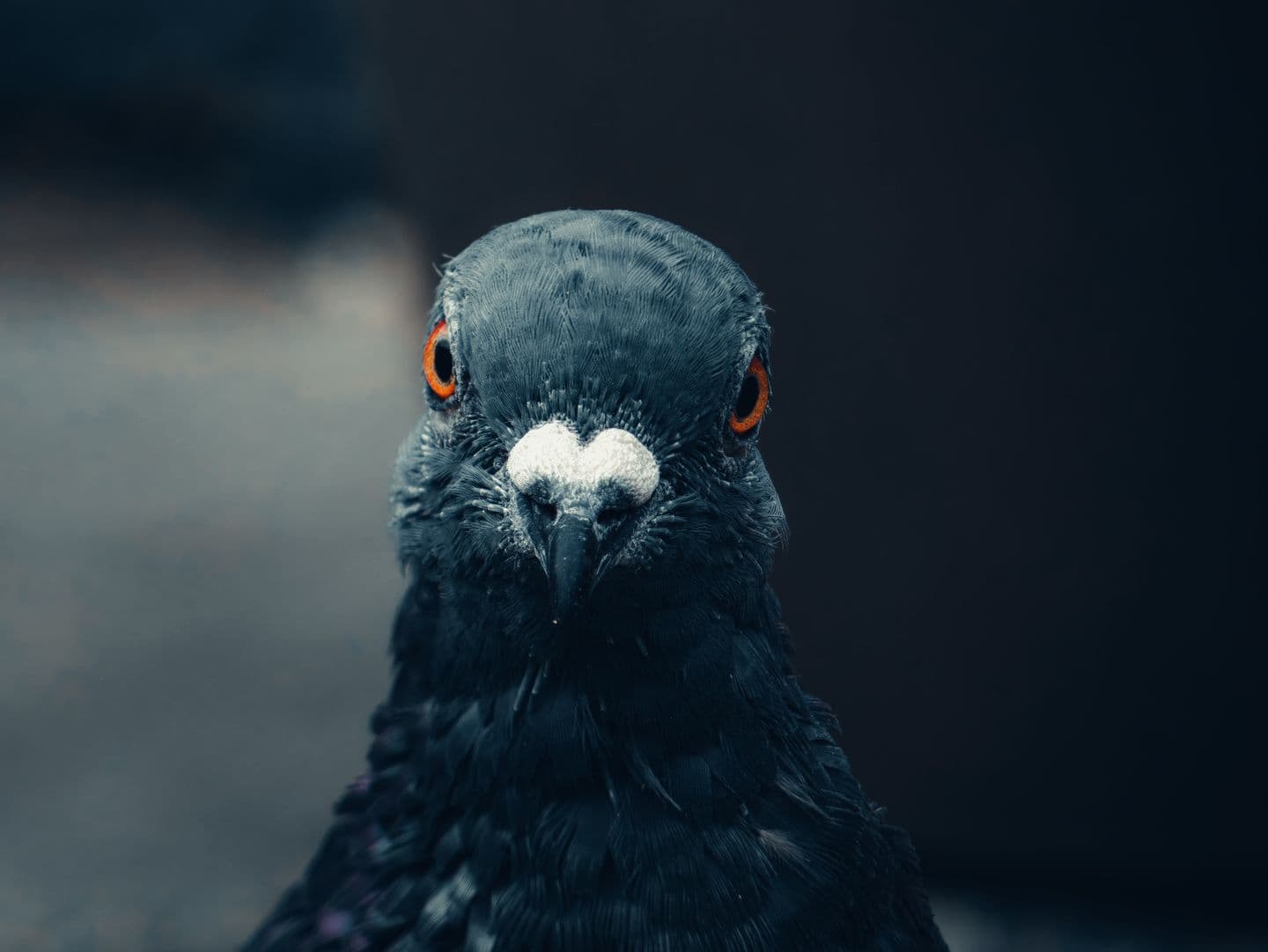
From paratyphoid to a lung condition now worrying doctors in Mumbai and Delhi, here is what every pigeon keeper and balcony feeder in India should know.
4 min read
Birds / Getting Started
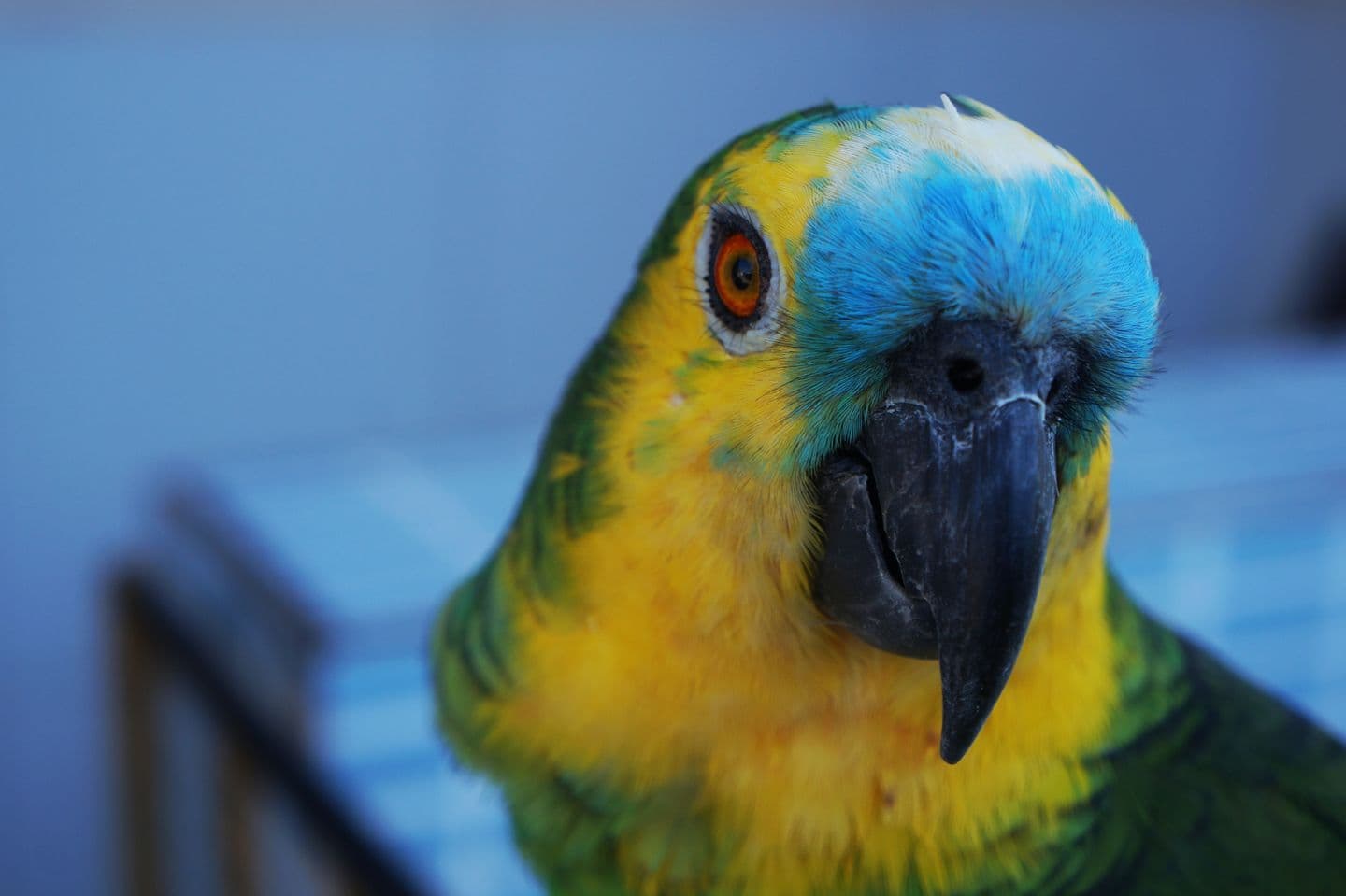
Almost every Indian home has a money plant trailing along a shelf or a tulsi pot on the balcony. Most owners never think twice about it until their bird takes an interested peck, so it is worth knowin
3 min read