

Birds / Getting Started
Can Cats and Birds Live Together Safely?
It is possible in many Indian households, but it takes real management, not just hoping for the best.
3 min read
Birds / Training
Birds cannot be house trained the way a puppy can, but most can learn to relieve themselves in a chosen spot on a verbal cue, which makes life considerably easier for everyone.
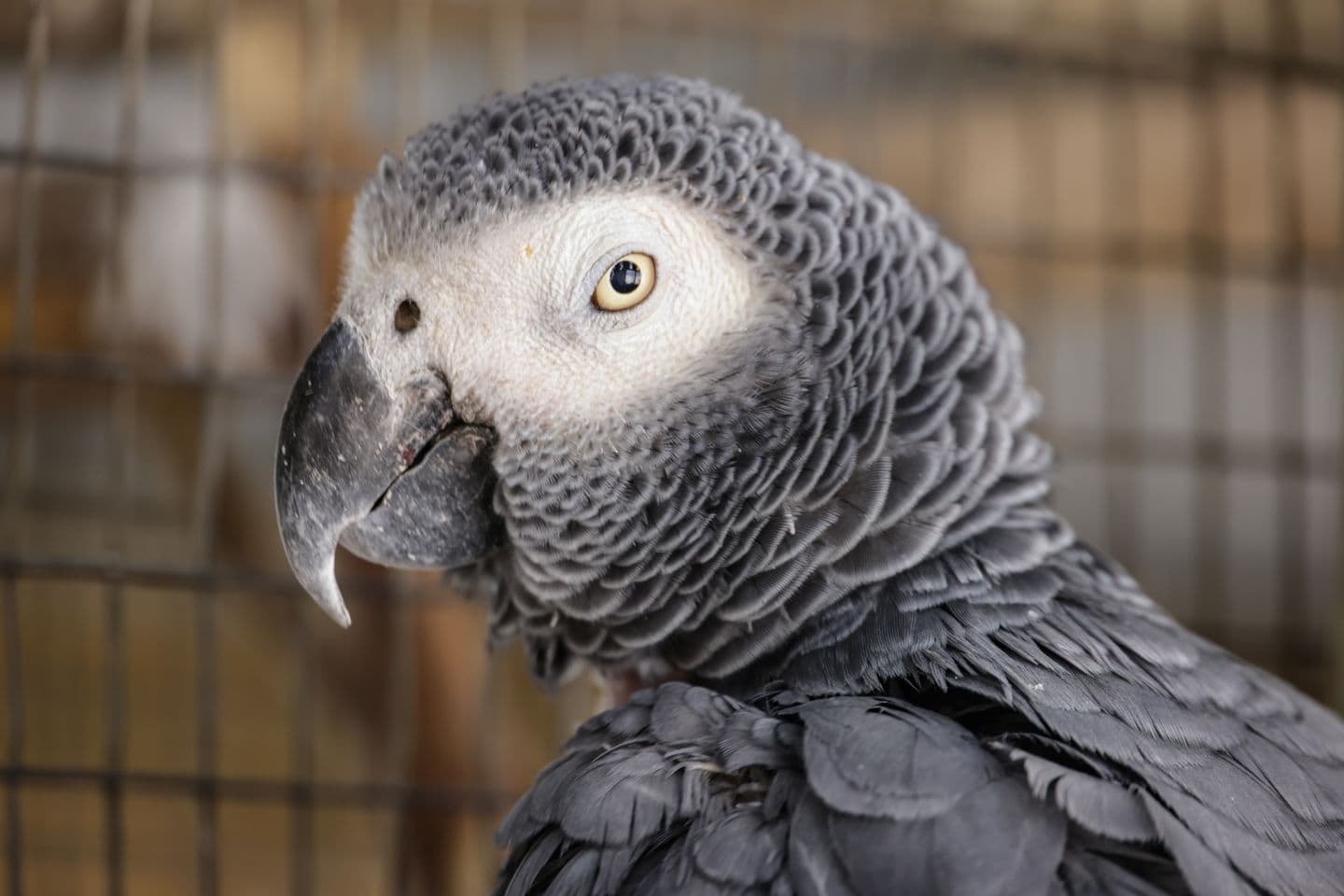
Birds cannot be house trained the way a puppy can, but most can learn to relieve themselves in a chosen spot on a verbal cue, which makes life considerably easier for everyone.
Birds have a fast metabolism and typically pass a dropping every fifteen minutes to an hour, depending on size, species and how recently they have eaten. Because this happens so predictably, most birds can learn to associate a specific word or phrase with the act, and eventually with a specific location, purely through consistent observation and reward.
Spend a few days simply watching. Most birds pass a large dropping first thing in the morning, and again roughly every fifteen minutes to an hour through the day, more often in smaller birds and less often in larger parrots. Watch for the tell tale signs just before it happens, a slight crouch, a wagging tail, or a brief backward step.
Pick a short phrase everyone in the family will use consistently, something like potty time. Choose a consistent location too, whether that is a particular corner of the cage lined with newspaper, a small tray, or simply the cage itself.
Once your bird knows the cue, you can start using it proactively. When you spot the pre-potty signs, an early crouch or tail flick, hold the bird over the chosen spot and give the cue just before it happens, so the bird begins to link the word to the location as well as the act.
During the humid monsoon months, newspaper lining in the chosen potty spot stays damp for longer and can start smelling or growing mould faster than in drier weather, so it is worth checking and changing the lining more frequently during this season, even if the bird's toilet schedule itself has not changed.
With patience, most birds settle into a reliable pattern that makes out of cage time far less messy, without ever needing anything more complicated than a consistent word and a well timed reward.
Article content © Ravi Teja. All rights reserved.
Birds / Getting Started
It is possible in many Indian households, but it takes real management, not just hoping for the best.
3 min read

Birds / Health
From paratyphoid to a lung condition now worrying doctors in Mumbai and Delhi, here is what every pigeon keeper and balcony feeder in India should know.
4 min read

Birds / Getting Started
Almost every Indian home has a money plant trailing along a shelf or a tulsi pot on the balcony. Most owners never think twice about it until their bird takes an interested peck, so it is worth knowin
3 min read