
Birds / Getting Started
Can Cats and Birds Live Together Safely?
It is possible in many Indian households, but it takes real management, not just hoping for the best.
3 min read
Birds / Training
It can be genuinely upsetting when a previously affectionate bird suddenly starts lunging, biting hard or screaming at your approach. The good news is that sudden aggression almost always has a tracea
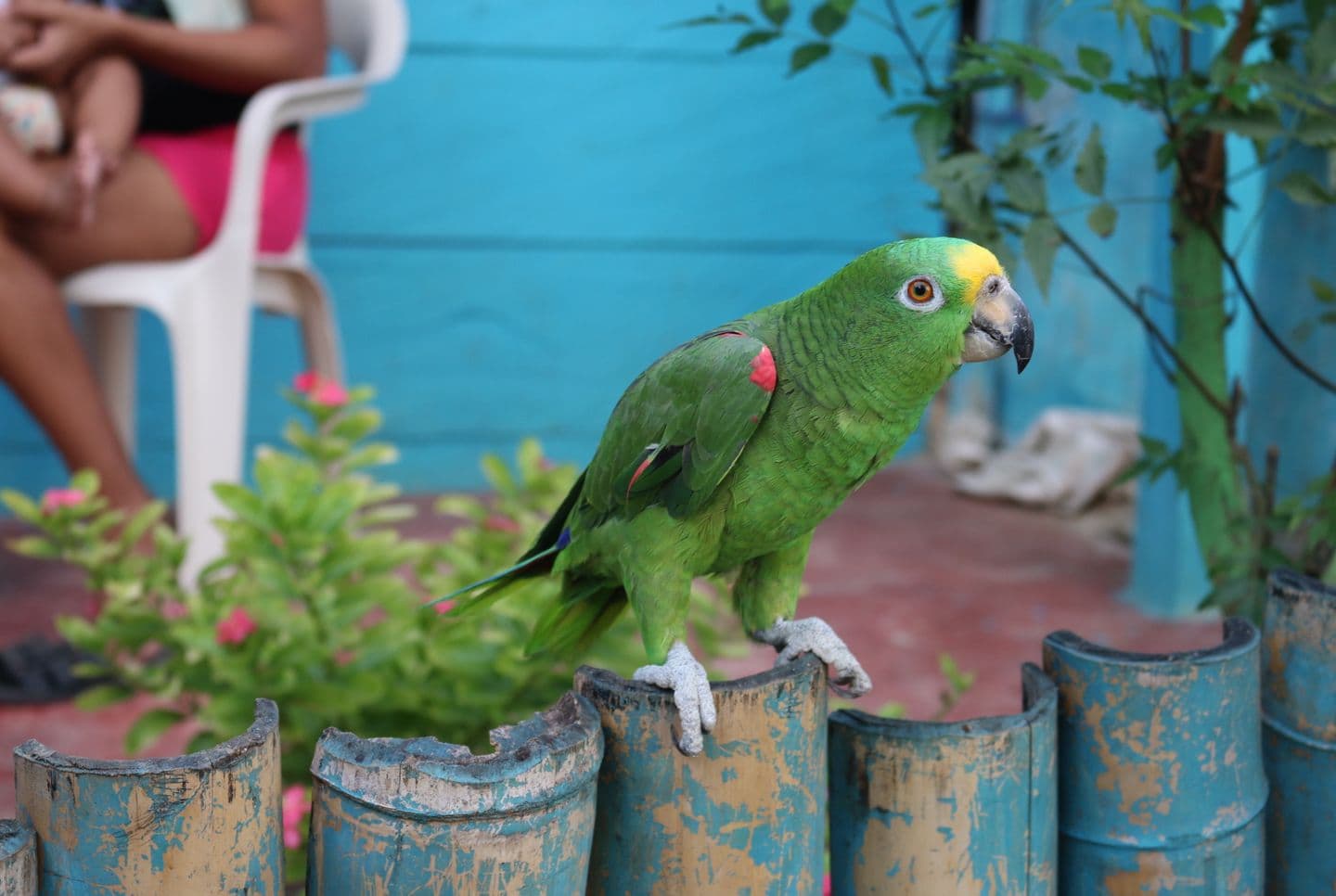
It can be genuinely upsetting when a previously affectionate bird suddenly starts lunging, biting hard or screaming at your approach. The good news is that sudden aggression almost always has a traceable cause.
Birds do not turn aggressive out of malice. A sudden change in behaviour is nearly always a reaction to fear, pain, a startling event, a change in environment, or hormones. Thinking of your bird as a detective clue rather than a problem to punish will get you to the real cause much faster.
Pulling your hand away sharply, shouting, or physically correcting a bird for aggression almost always makes the behaviour worse. It teaches the bird that its warning signals work, which is not entirely wrong, but it also adds fear and mistrust into the relationship, making the next interaction more tense rather than less.
If aggression is severe, involves drawing blood repeatedly, or does not improve after a few weeks of calm, structured handling, it is worth consulting an avian behaviourist or an experienced avian vet. This is especially true for larger parrots, where a serious bite can genuinely injure a person, and safety has to come first for both the bird and the household.
Dedicated avian behaviourists are still uncommon in most Indian cities, so it is worth starting with an avian or exotics specialised veterinarian rather than a general small animal clinic, and asking whether they offer a telemedicine consultation if a suitable specialist is not nearby. Many bird owner communities and rescue groups online can also point toward vets with real hands on parrot experience.
Article content © Ravi Teja. All rights reserved.
Birds / Getting Started
It is possible in many Indian households, but it takes real management, not just hoping for the best.
3 min read
Birds / Health
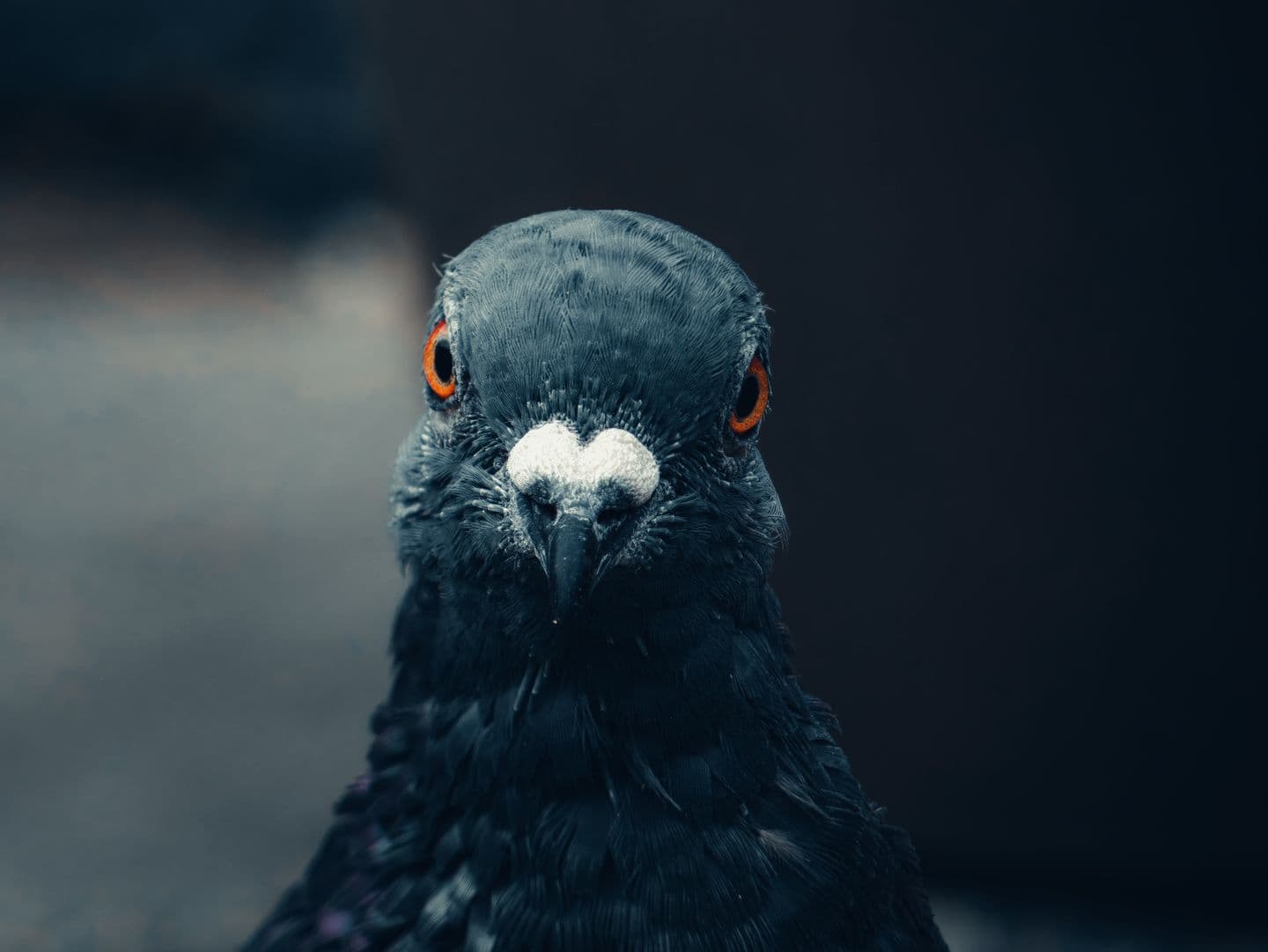
From paratyphoid to a lung condition now worrying doctors in Mumbai and Delhi, here is what every pigeon keeper and balcony feeder in India should know.
4 min read
Birds / Getting Started
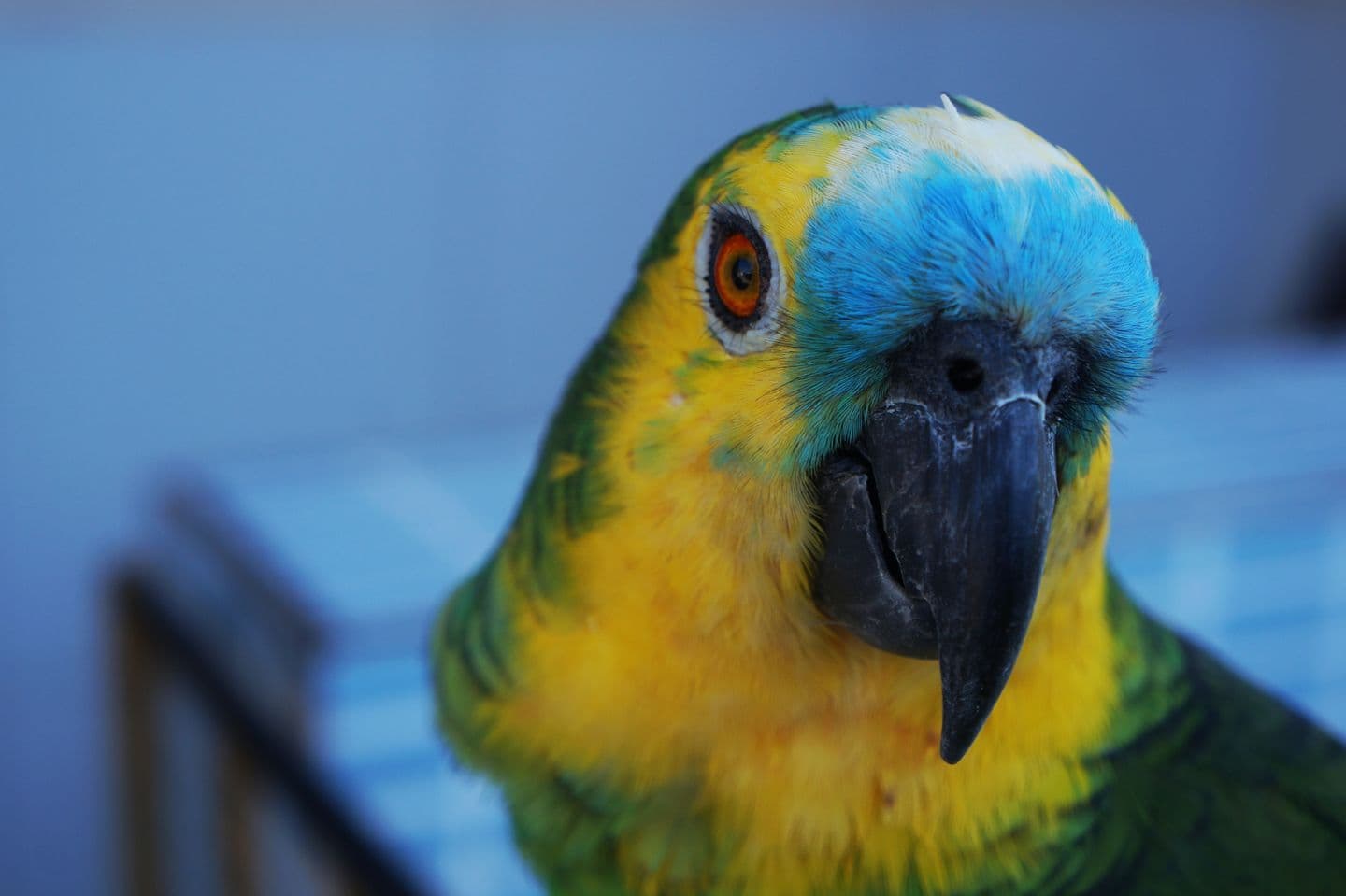
Almost every Indian home has a money plant trailing along a shelf or a tulsi pot on the balcony. Most owners never think twice about it until their bird takes an interested peck, so it is worth knowin
3 min read