Ingredient Decoded / Botanical And Herbal Ingredients
Moringa: Understanding Its Nutritional and Antioxidant Properties
Moringa is a plant that has received considerable attention in human nutrition and is increasingly explored for its potential applications in animal food and supplements. Its leaves contain…
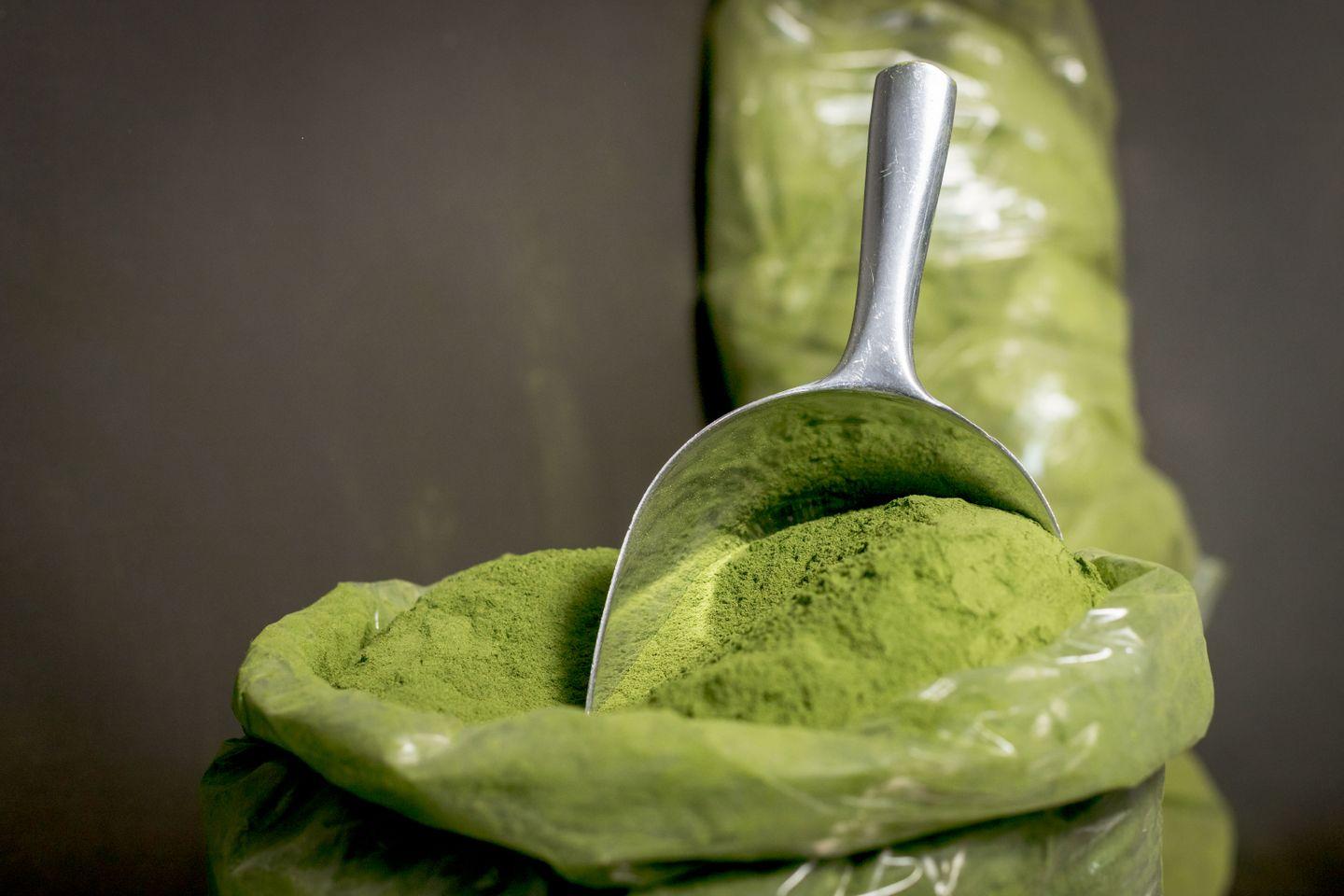
Moringa is a plant that has received considerable attention in human nutrition and is increasingly explored for its potential applications in animal food and supplements. Its leaves contain several nutrients and plant compounds, making it an interesting ingredient for nutritional research.
What is moringa?
Moringa generally refers to Moringa oleifera, a tree native to the Indian subcontinent. Its leaves are particularly valued for their nutritional composition.
They contain protein, fibre, certain vitamins, minerals, carotenoids and polyphenolic compounds. The nutritional profile depends on growing conditions, harvesting and processing.
Why is moringa used in animal products?
Moringa leaf powder and extracts have been investigated as supplementary ingredients in animal nutrition. Potential applications include supplementary plant protein, antioxidant compounds, nutrient enrichment and functional feed ingredients.
Research has examined its use in poultry, fish and livestock, with findings varying according to the species and formulation.
Is moringa suitable for companion animals?
Moringa appears in some dog and cat supplements, but evidence supporting specific health benefits remains limited. There is insufficient evidence to recommend routine moringa supplementation for birds, rabbits, guinea pigs, hamsters, turtles or tortoises.
A plant being edible to humans does not automatically make concentrated extracts safe for every animal.
What should caregivers look for?
Consider whether the product contains leaf powder or an extract, ingredient concentration, purity and contamination testing, species-specific safety information and evidence supporting the claimed benefit.
Are there potential risks?
Concentrated extracts may have different effects from whole leaves. Product quality, contaminants and interactions with medication also need consideration.
The takeaway
Moringa is an interesting plant-derived ingredient with nutritional and functional potential. However, its traditional popularity should not be confused with established clinical benefits in companion animals.
Opening. Green tea extract is produced from the leaves of Camellia sinensis. It contains polyphenols called catechins, including epigallocatechin gallate (EGCG). Concentrated extracts can…
2 min read
Ingredient Decoded / Botanical And Herbal Ingredients
Licorice root is obtained mainly from Glycyrrhiza glabra and related species. It contains glycyrrhizin and other compounds and is used in traditional preparations. In pet supplements it may…
1 min read
Ingredient Decoded / Botanical And Herbal Ingredients
Clove oil is an essential oil distilled from the flower buds of Syzygium aromaticum. Its major constituent is eugenol, a phenolic compound used in flavourings and some topical dental…